
When designing outdoor structures, the aesthetic appeal of a louvre system is often the primary focus. However, the longevity and safety of these systems are dictated by a factor invisible to the naked eye: the chemical composition and tempering of the metal. Aluminium Grade 6063-T5 has emerged as the industry standard for high-quality louvre systems, and for good reason.
This technical guide explores why the specific makeup of 6063-T5 is essential for structural integrity, how the tempering process affects performance, and why this material is the superior choice for environments ranging from coastal regions to high-wind zones.
Aluminium 6063 is frequently referred to as the "architectural alloy." Unlike other grades that might prioritize extreme hardness or high-speed machining, 6063 is engineered for extrudability and surface finish quality. For aluminum louvres, where complex shapes and smooth finishes are mandatory, this alloy provides the perfect foundation.
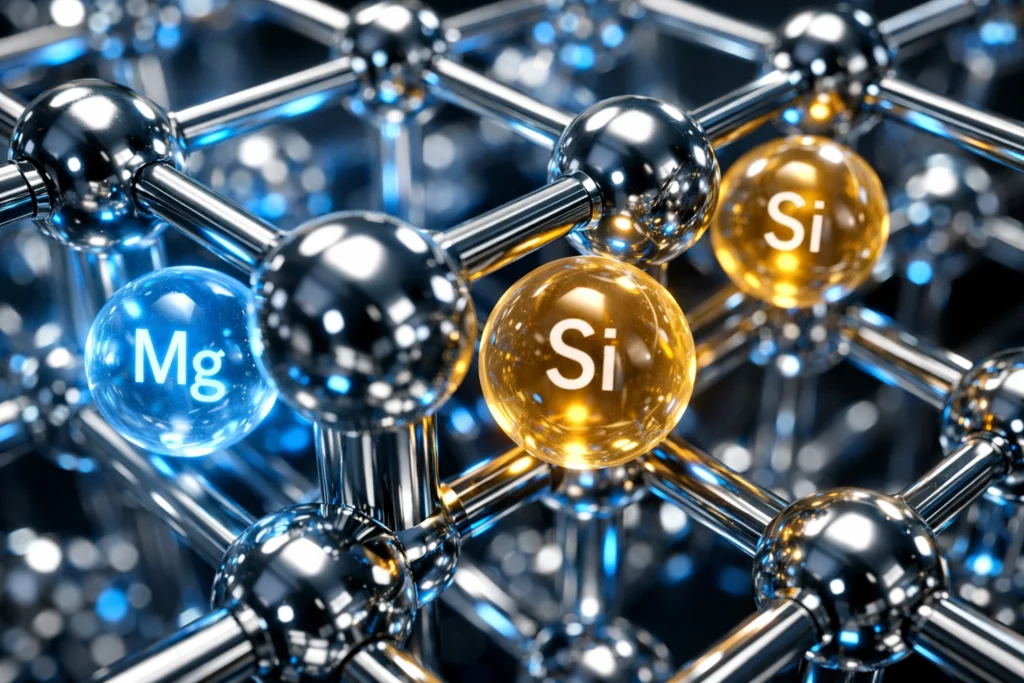
The performance of 6063-T5 is defined by its precise chemical limits. The inclusion of specific elements transforms pure aluminum into a resilient structural material:
The "T5" designation refers to the tempering or heat-treatment process the metal undergoes after it has been extruded. This process is what gives the louvre blades their final mechanical properties.
To achieve a T5 temper, the aluminium follows a specific manufacturing path:
Why T5 for Louvre Systems?
The T5 process is preferred for louvres because it offers excellent dimensional stability. Because it is air-cooled rather than water-quenched, there is less internal stress within the metal. This results in straighter, more consistent profiles: essential for the tight tolerances required in opening roof systems.
One of the most critical requirements for louvre systems is the ability to withstand oxidation. Aluminium 6063-T5 is naturally gifted in this department.
When exposed to oxygen, aluminum instantly forms a microscopic layer of aluminum oxide on its surface. This layer is incredibly hard and acts as a barrier against further oxidation. In 6063-T5, the low copper content ensures that this protective layer remains stable and uniform.
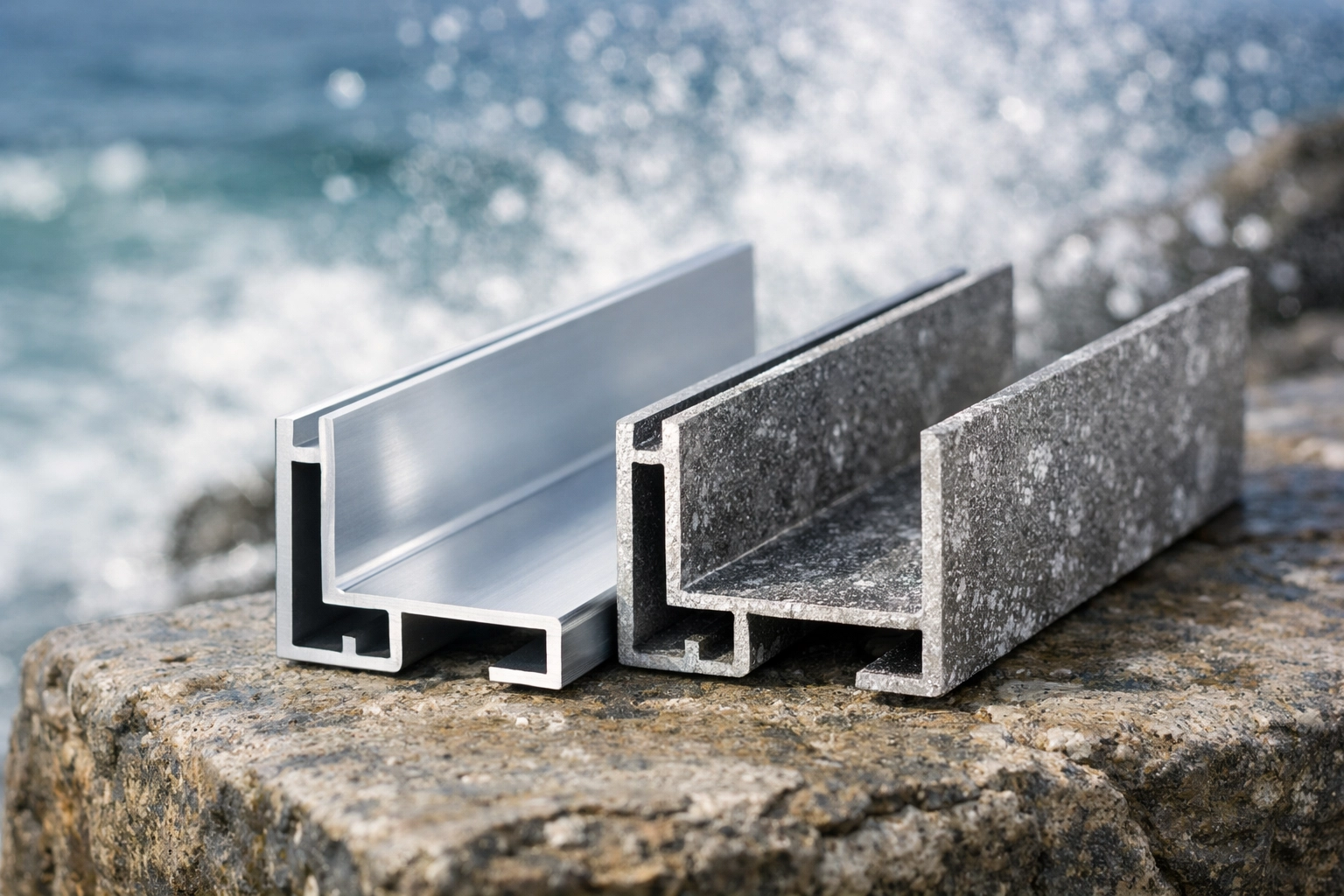
In regions with high salt spray or humidity, inferior alloys can suffer from "pitting" or "filiform corrosion." 6063-T5 is highly resistant to these issues. When properly powder-coated or anodized, the material becomes virtually impervious to the corrosive effects of salt air, making it the ideal choice for coastal residential and commercial projects.
A louvre system is essentially a sail when closed. During a storm, the blades must resist bending and the frame must resist twisting.
6063-T5 provides a balanced set of mechanical properties that ensure safety without unnecessary weight:
By utilizing 6063-T5, designers can specify longer spans for louvre blades, reducing the need for intermediate support beams and creating a cleaner, more open aesthetic.
The material composition of 6063-T5 doesn't just provide strength; it also dictates how the final product looks. Because this alloy is "clean" (low in impurities), it responds exceptionally well to surface treatments.
Anodizing is an electrochemical process that thickens the natural oxide layer. 6063 is the preferred alloy for anodizing because it produces a clear, consistent, and vibrant finish. Whether the specification calls for a natural silver or a deep bronze, the alloy ensures the color is uniform across all components.
For those preferring a specific color palette, 6063-T5 provides an excellent substrate for powder coating. The metal's surface tension and chemical stability allow the powder to bond more effectively, reducing the risk of "delamination" or peeling over time. This is a vital consideration for projects requiring professional installation and long-term warranties.
It is helpful to understand why other common alloys are often bypassed for louvre applications:
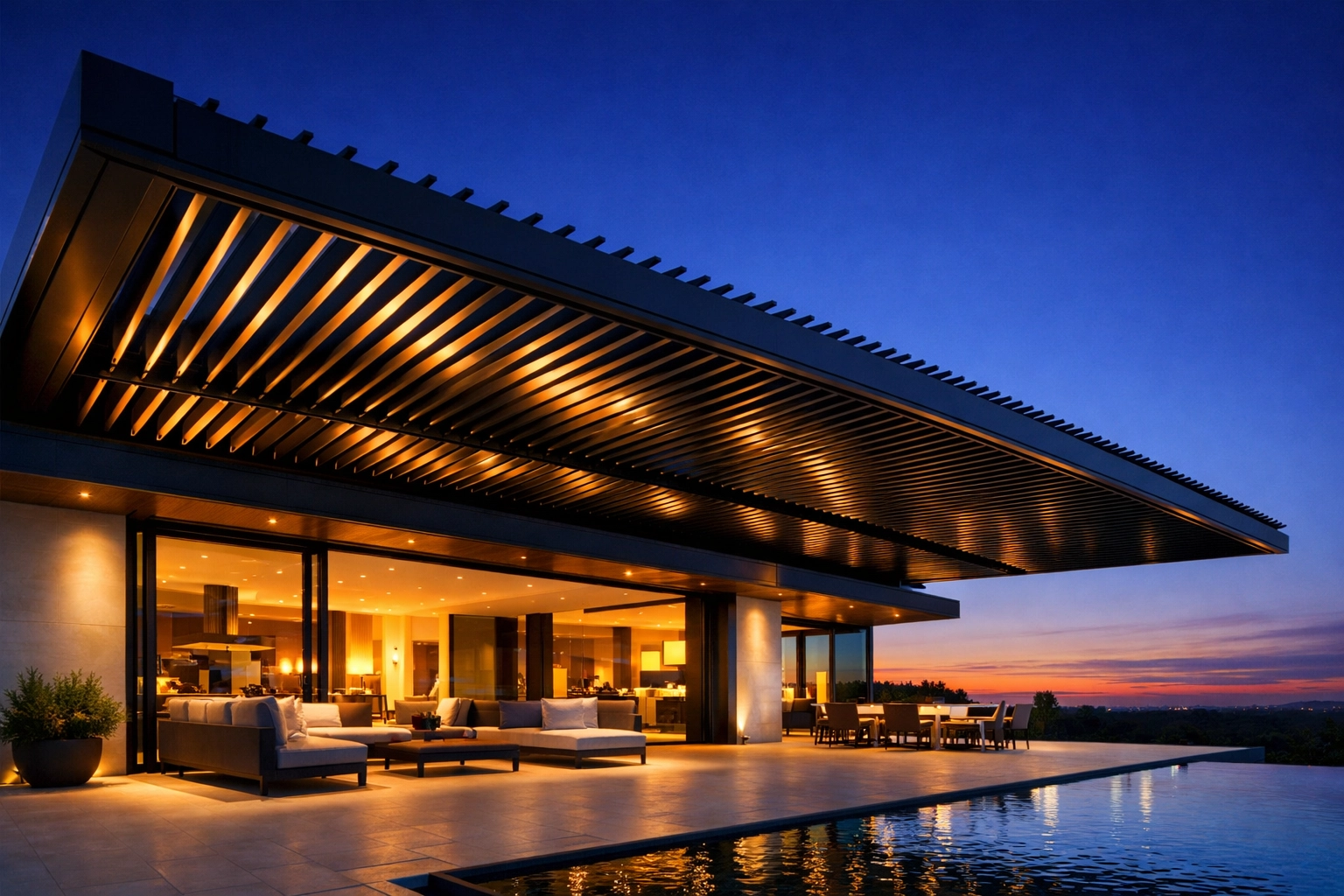
While 6063-T5 is inherently durable, its lifespan is further extended through simple maintenance. Because the alloy does not rust, maintenance is primarily focused on removing atmospheric contaminants (like salt or soot) that can sit on the surface.
Choosing the right material is the most critical decision in the engineering of a louvre system. Aluminium Grade 6063-T5 represents the pinnacle of architectural metalwork for several reasons:
By understanding the "why" behind the material composition, you can better appreciate the engineering that goes into a high-performance louvre system. Always verify the grade and temper of the aluminum to ensure the backbone of your structure is built to last.


