
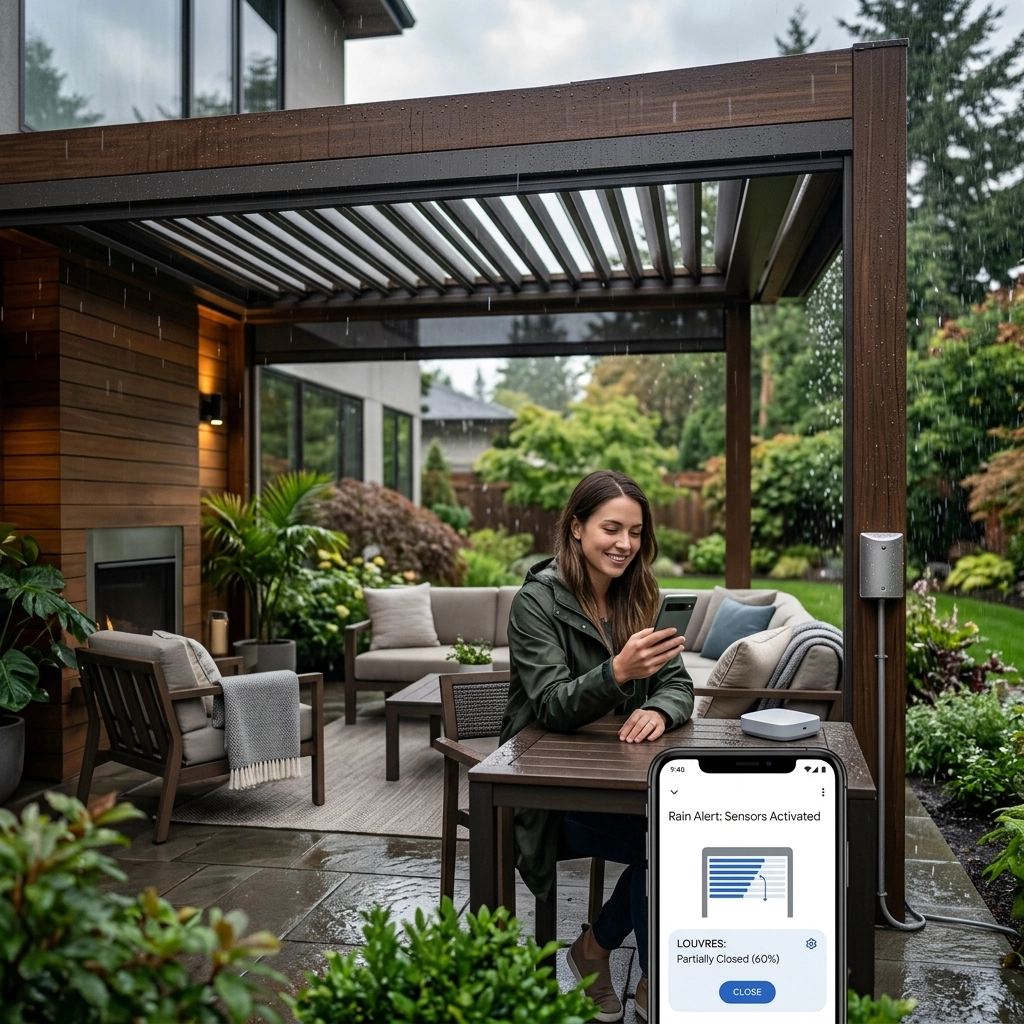
Weather has a sense of humour. Your outdoor room should have better timing.
A motorised louvre system sits in a sweet spot that makes a lot of sense: more capable than a basic manual setup, less financially dramatic than a fully bespoke architectural build. In other words, it’s a high-performance mid-range solution. You get automation where it counts, control where it matters, and far less guesswork when the sky changes its mind.
The real intelligence sits in three features: Tuya integration, rain sensors, and remote access. Together, they turn a roof into a responsive system rather than a static structure.
A smart outdoor space is only smart if it reacts faster than you do. That is where the rain sensor earns its keep.
Modern rain sensors are designed to detect moisture as soon as the first drops land. Once triggered, they send a signal to the motor controller, which rotates the louvres to a closed position. Fast. No sprinting outside. No soaked cushions. No muttering.
When rain reaches the sensor surface, the system reads that change and activates the motor.
This is the part that makes the whole setup feel properly modern.
With Tuya integration, a motorised louvre system connects to your Wi-Fi network and becomes accessible through your phone. That means you can check status, adjust blade angles, and close the roof remotely without being anywhere near the deck.
Why Remote Access Matters:
A well-specified mid-range motorised system delivers these features without pushing the project into custom-build territory. That is the appeal: smart capability, sensible positioning.
The point of smart tech is not to create more things to manage. It is to remove them.
Through the Tuya app, you can build schedules and scenes that respond to how the space is actually used.
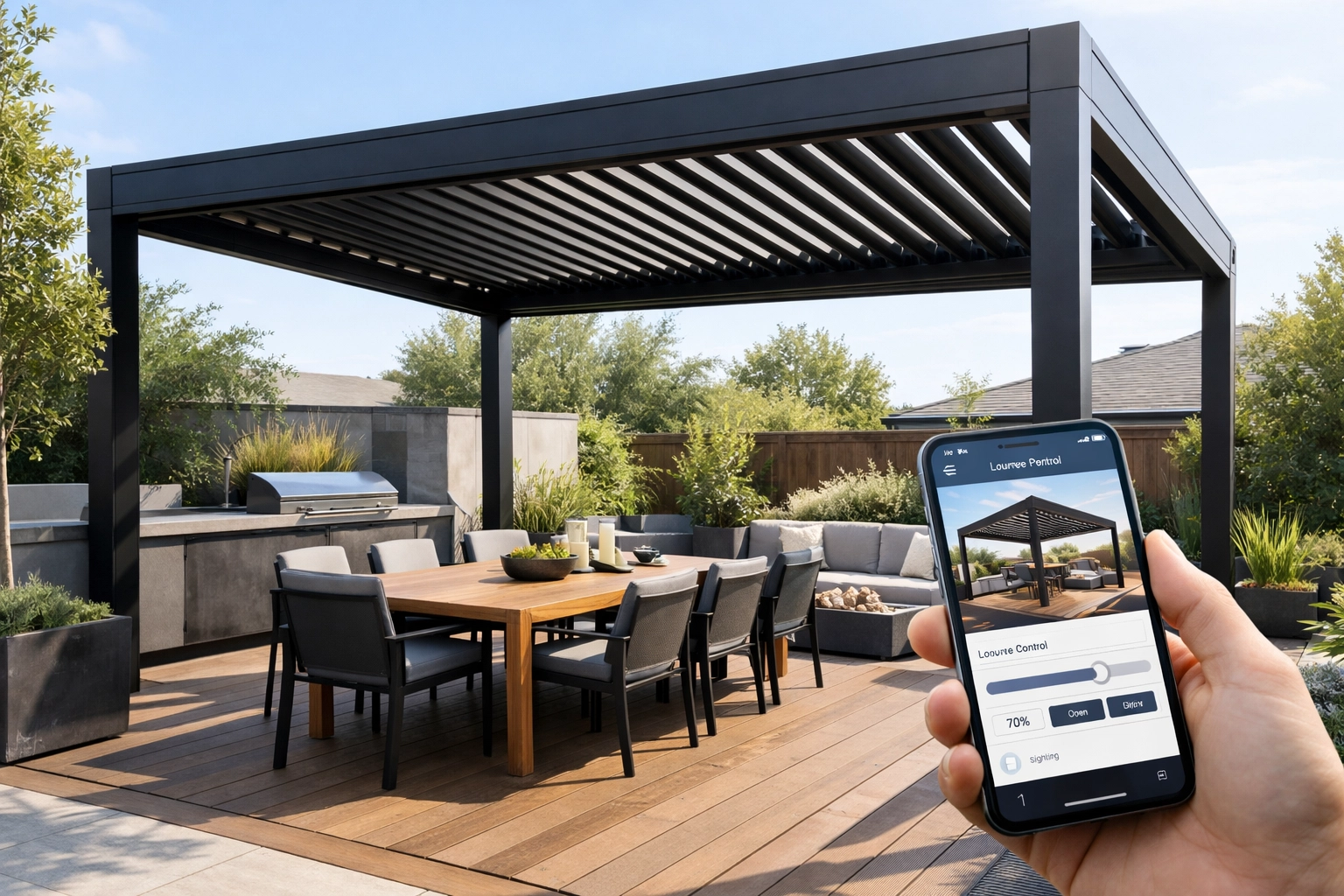
Yes, voice control is useful. Yes, it feels mildly futuristic. But the real value is still the combination of app control and sensor-based automation.
If your hands are full or you are already settled in, voice commands are a practical extra. The bigger story is that the system can react to weather and be managed remotely, which is what shifts it from nice-to-have to genuinely functional.
This may be the most underrated feature of all.
When a system is connected through Tuya, the app provides status feedback. It does not just send commands; it reports back. That means fewer vague memories, fewer second guesses, and fewer moments of wondering whether the outdoor area is currently collecting rain.
Pair that with a rain sensor, and the setup becomes far more resilient. If you forget, the system usually won’t.
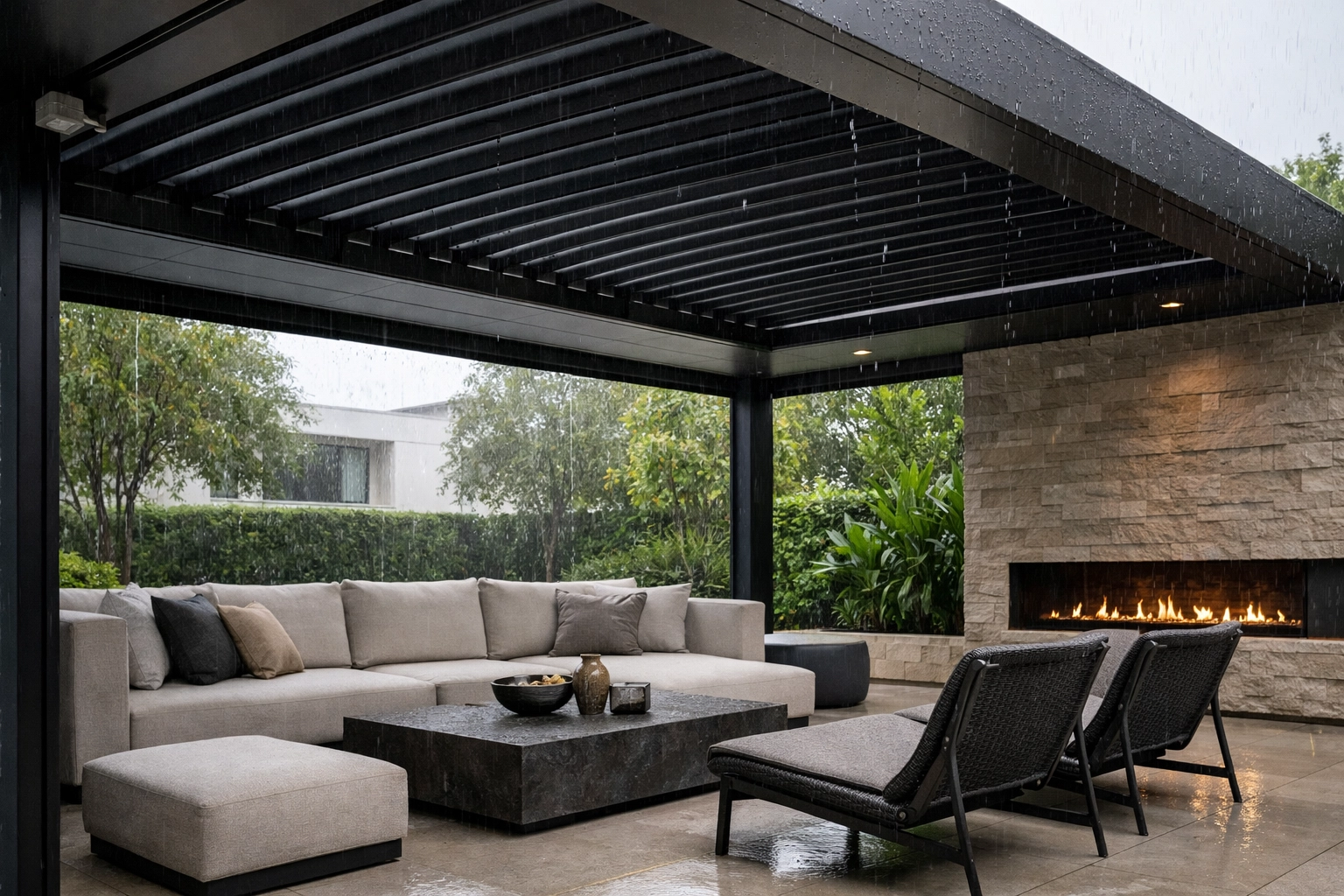
A high-performance mid-range system still depends on clean setup. Smart features are only useful if the basics are handled properly.
Identify the Requirements:
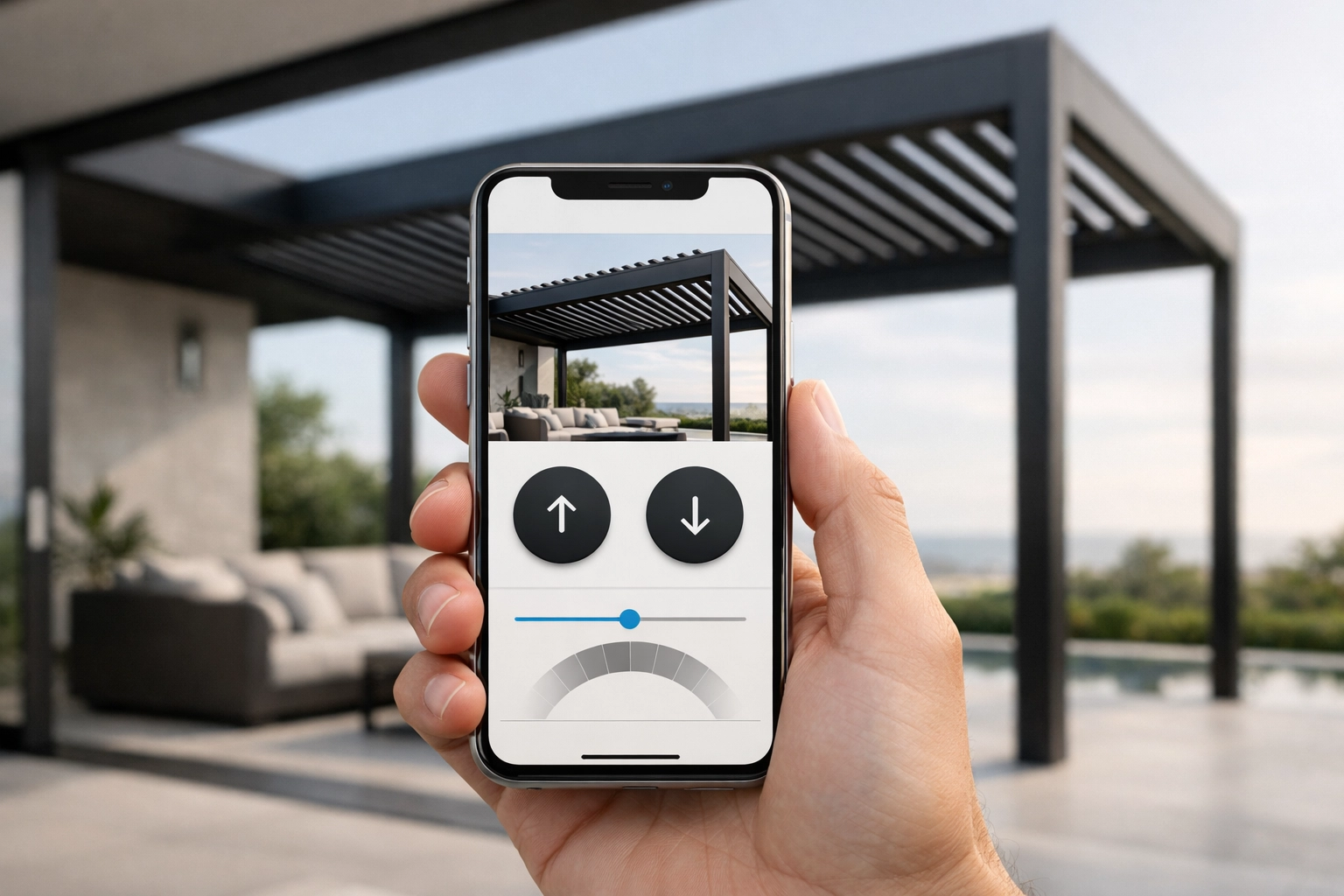
Smart control is not only about convenience. It can also improve consistency.
Manual systems rely on user timing and user effort. Motorised systems work with repeatable movement, stable torque, and cleaner operation. That helps reduce uneven handling and unnecessary wear over time.
Add automated weather response, and the structure becomes better protected in changing conditions. A system that reacts properly is a system that generally lasts better.
A motorised louvre system does not need to be ultra-premium to be highly capable. In the right specification, it becomes a high-performance mid-range solution that covers the features most people actually use.
The priorities are clear: Tuya integration, rain sensors, and remote access. Get those right, and the outdoor room becomes easier to manage, quicker to respond, and much better at handling real weather than a purely manual setup ever will.
Key Takeaways:


