

Let’s be honest: capturing high-quality sports footage at the local club or school level has always been a bit of a headache. Usually, it involves a brave volunteer or a student standing on a drafty sideline, trying their best to follow a fast-moving ball with a shaky handheld camera. The result? Half the action is missed, the zoom is either too close or too far, and the "broadcast" feels more like a home movie than a professional production.
The landscape is shifting. We are entering an era where the camera operator: at least the human one: might just be retiring from the sidelines. Technology like the VisionPlay AI 180 is transforming how games are recorded, streamed, and analyzed. By combining ultra-high-definition optics with advanced artificial intelligence, this system creates a professional-grade broadcast without anyone needing to touch a joystick.
The biggest limitation of traditional sports filming is the field of view. A standard camera has to pan back and forth to follow the play, which inevitably leads to "blind spots." If the camera is focused on the striker, you miss the tactical movement of the defenders at the other end of the field.
The VisionPlay AI 180 solves this by using dual-camera stitching technology. Instead of a single lens moving around, it captures a full 180° horizontal panoramic view. This means the entire court or field is captured in a single, seamless shot.
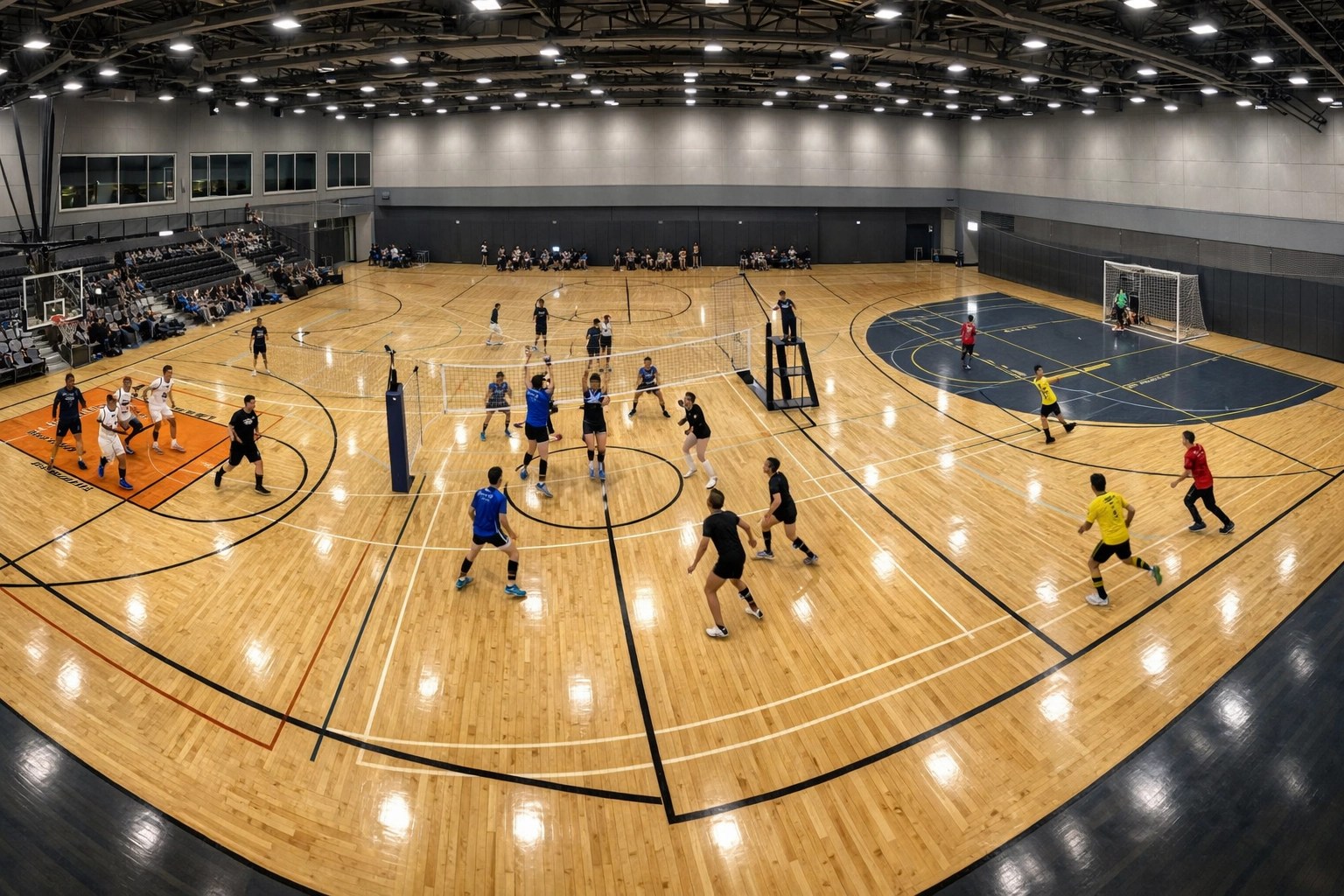
For sports like basketball, netball, or futsal, this is a game-changer. The camera doesn’t need to "guess" where the ball is going because the entire playing surface is always within the frame. This panoramic capture serves as the foundation for everything the AI does next. Because the system "sees" the whole area at 16 million pixels, it can intelligently crop and zoom into the action without losing the context of the surrounding players.
The core of this technology is its unmanned operation. Traditionally, "automated" cameras were often just motion sensors that jerked around whenever something moved. Modern AI tracking is significantly more sophisticated.
The built-in algorithms are designed specifically for sports dynamics. The system doesn't just look for movement; it analyzes the flow of the game. It recognizes players, identifies the ball, and understands the difference between a player running back on defense and the actual live play.
By removing the need for a dedicated operator, schools and sports clubs can significantly reduce staffing costs. This allows even the smallest local leagues to provide a broadcast experience that rivals professional televised sports.
High-level analysis requires high-level detail. If the footage is grainy, a coach can’t see the footwork of a player or the exact moment a foul occurred. The VisionPlay AI 180 outputs in 4K resolution, delivering 16 million pixels of visual data.
This level of detail is crucial for several reasons:
One of the most impressive features of this AI-driven system is how it handles the "output." It doesn't just give you one static video file; it offers three distinct viewing modes tailored to different needs.
This is the "Broadcast Mode." The AI takes the lead, automatically tracking the ball and players, choosing the best angles, and providing a dynamic viewing experience. This is perfect for live streaming to platforms like YouTube or Facebook, where the audience wants to follow the action without distraction.
In this mode, the power is handed back to the viewer or the coach during a replay. Using a tablet or computer, you can manually pan and zoom within the 180° panoramic recording. Want to see what the goalie was doing while the striker was at the other end? In Explore View, you can move the "virtual camera" anywhere you want within the captured field.
This provides a static, ultra-wide look at the entire venue. It is an essential tool for tactical coaching. By seeing every player's position simultaneously, coaches can analyze formations, spacing, and transition speeds that are often lost in tight-angled broadcasts.
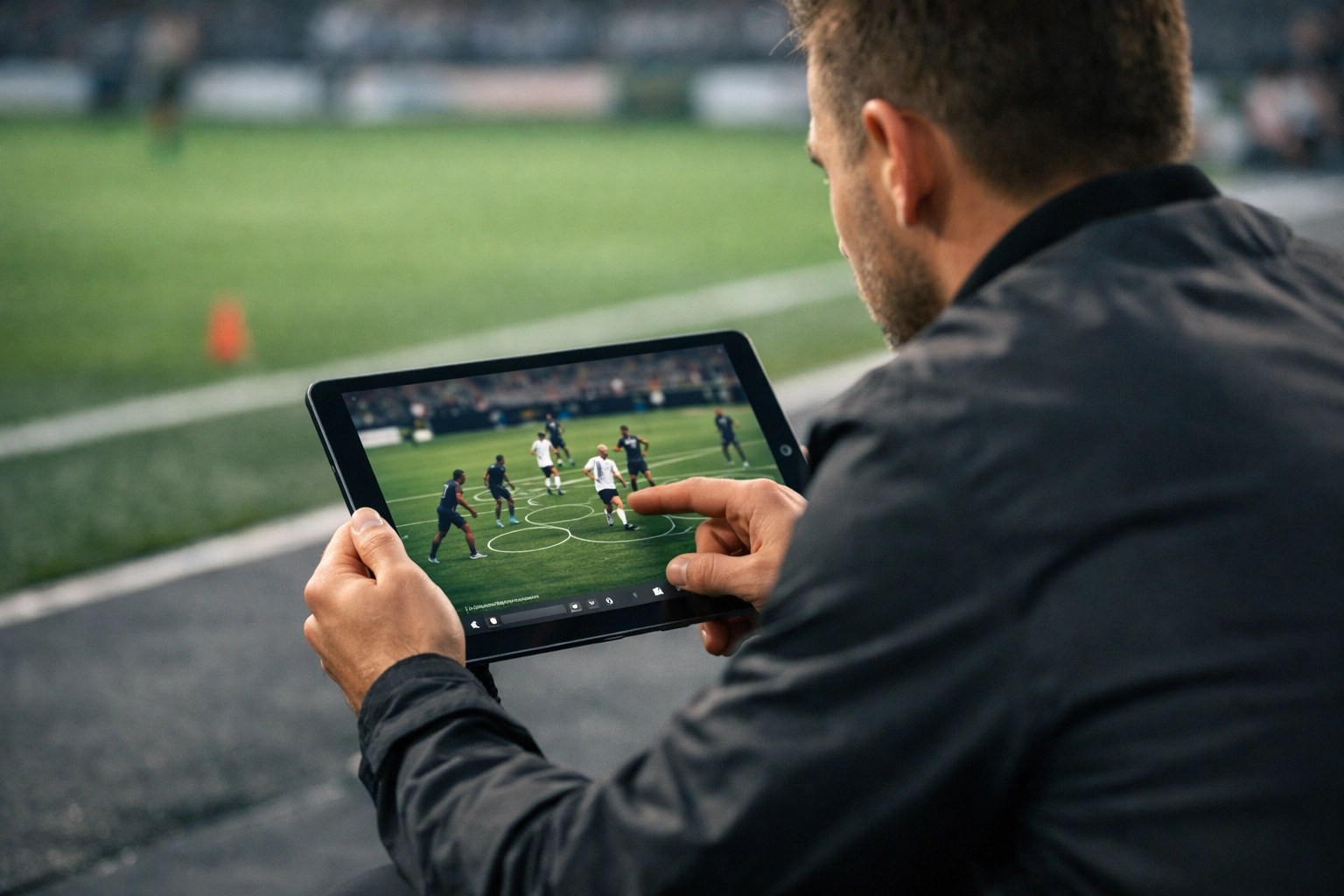
Capturing the video is only half the battle. To make a game feel like a "match," you need the trimmings: scores, commentary, and highlights. The VisionPlay system integrates these elements into a single workflow.
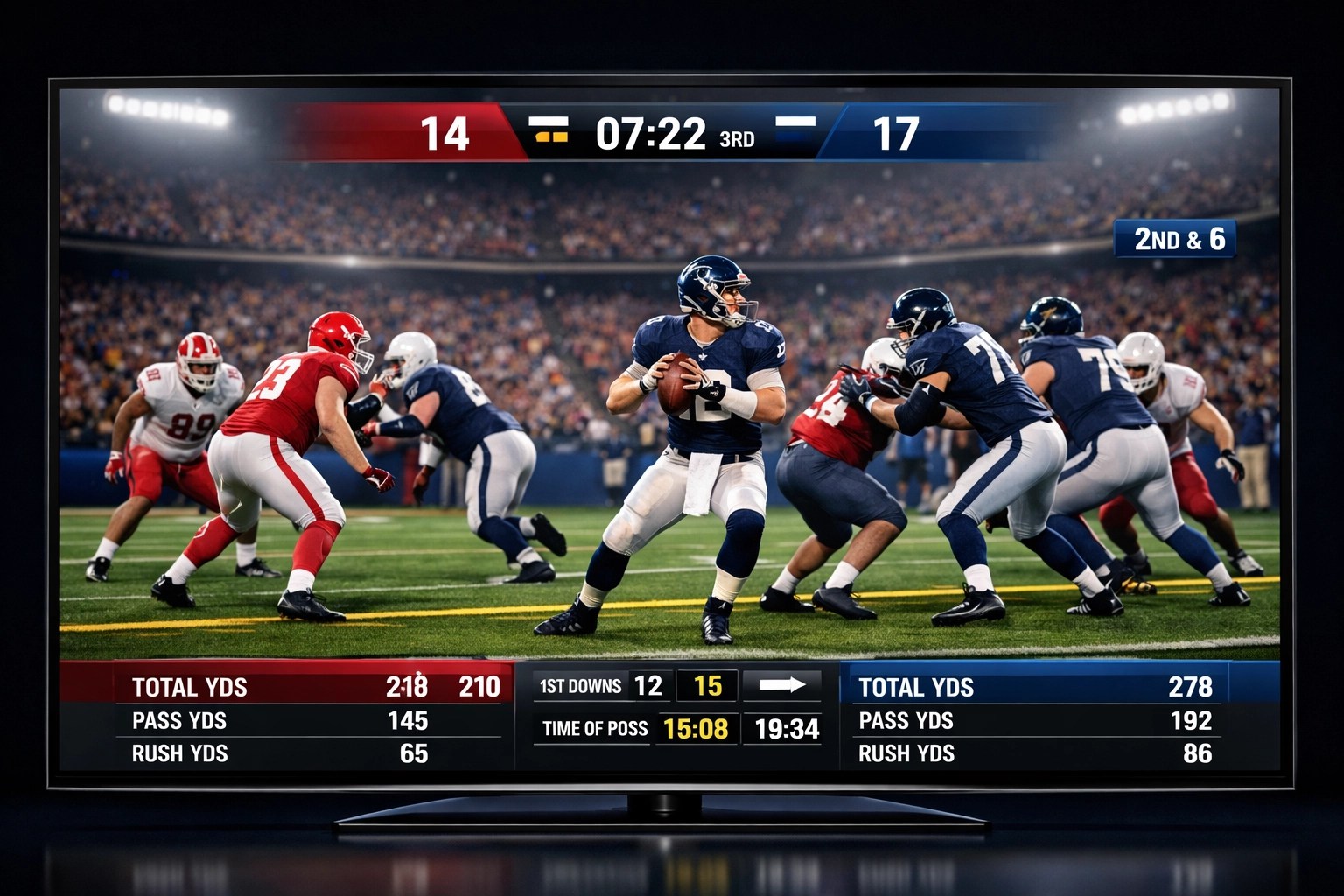
The real value of this technology isn't just in the pixels; it’s in the accessibility. For a long time, high-end sports broadcasting was the exclusive domain of professional leagues with massive budgets.
By automating the process, this technology "levels the playing field."
Setting up a system like the VisionPlay AI 180 is designed to be a "set and forget" process. Once the hardware is mounted at the optimal vantage point: usually at the halfway line or high in the stands: the calibration process defines the boundaries of the play area.
Because the system is weather-resistant and robust, it can be installed in both indoor gymnasiums and outdoor stadiums. Once the parameters are set, the AI handles the rest. There is no need for recalibration before every game; you simply turn it on, and the AI begins its tracking routine.
The shift toward AI-managed sports filming represents a significant move toward efficiency and quality. For those managing sports facilities or overseeing athletic programs, the benefits are clear:
As sports technology continues to evolve, the integration of AI is no longer a luxury: it is becoming the standard. The ability to capture, stream, and analyze sports with this level of precision and ease ensures that the focus remains exactly where it should be: on the game itself.


