


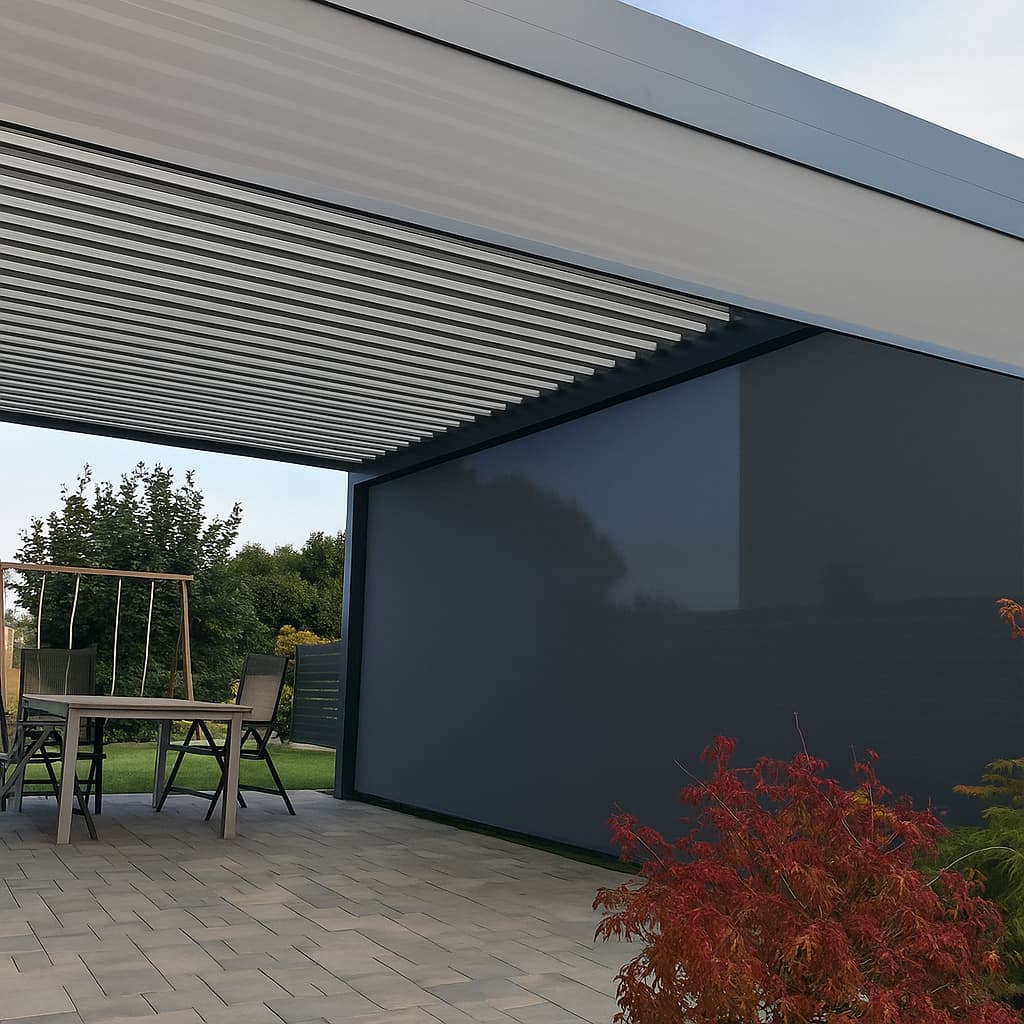
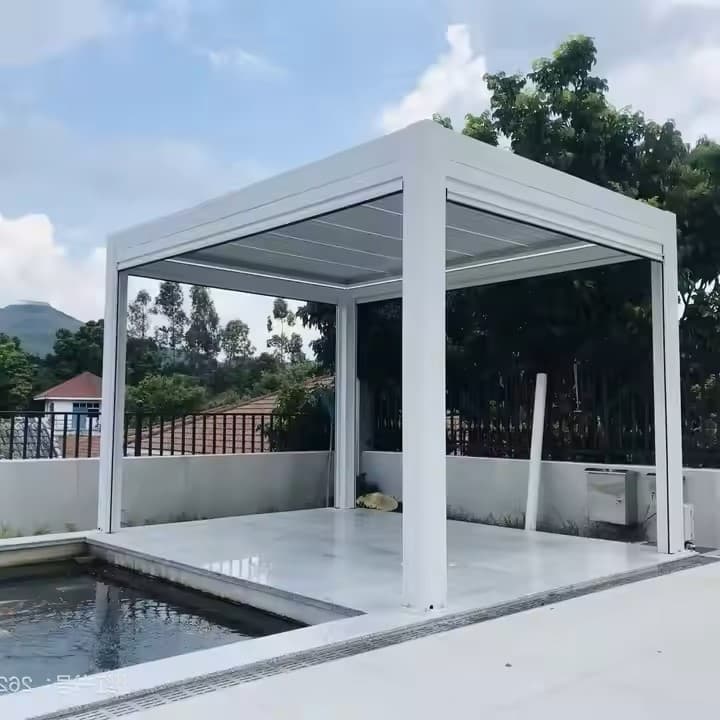
Description
Built on Science & Technology
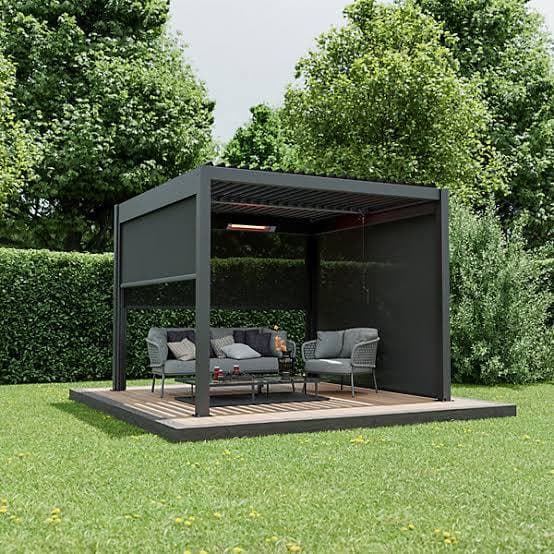
Outdoor pergolas are no longer just shade structures.
In high-exposure environments like New Zealand and the Pacific, they are engineered systems that must manage sunlight, wind, rain, salt air, temperature change, and long-term mechanical wear.
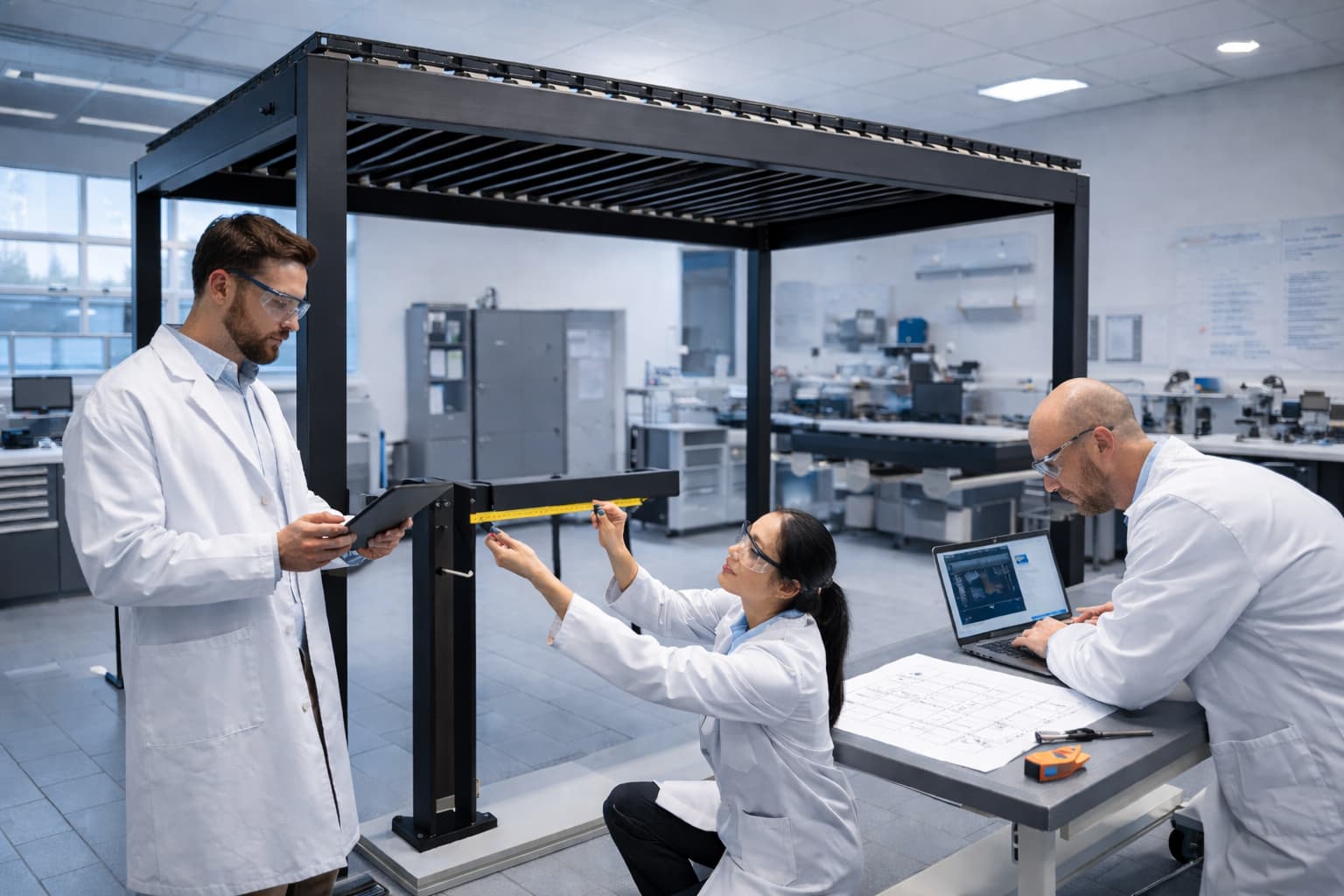
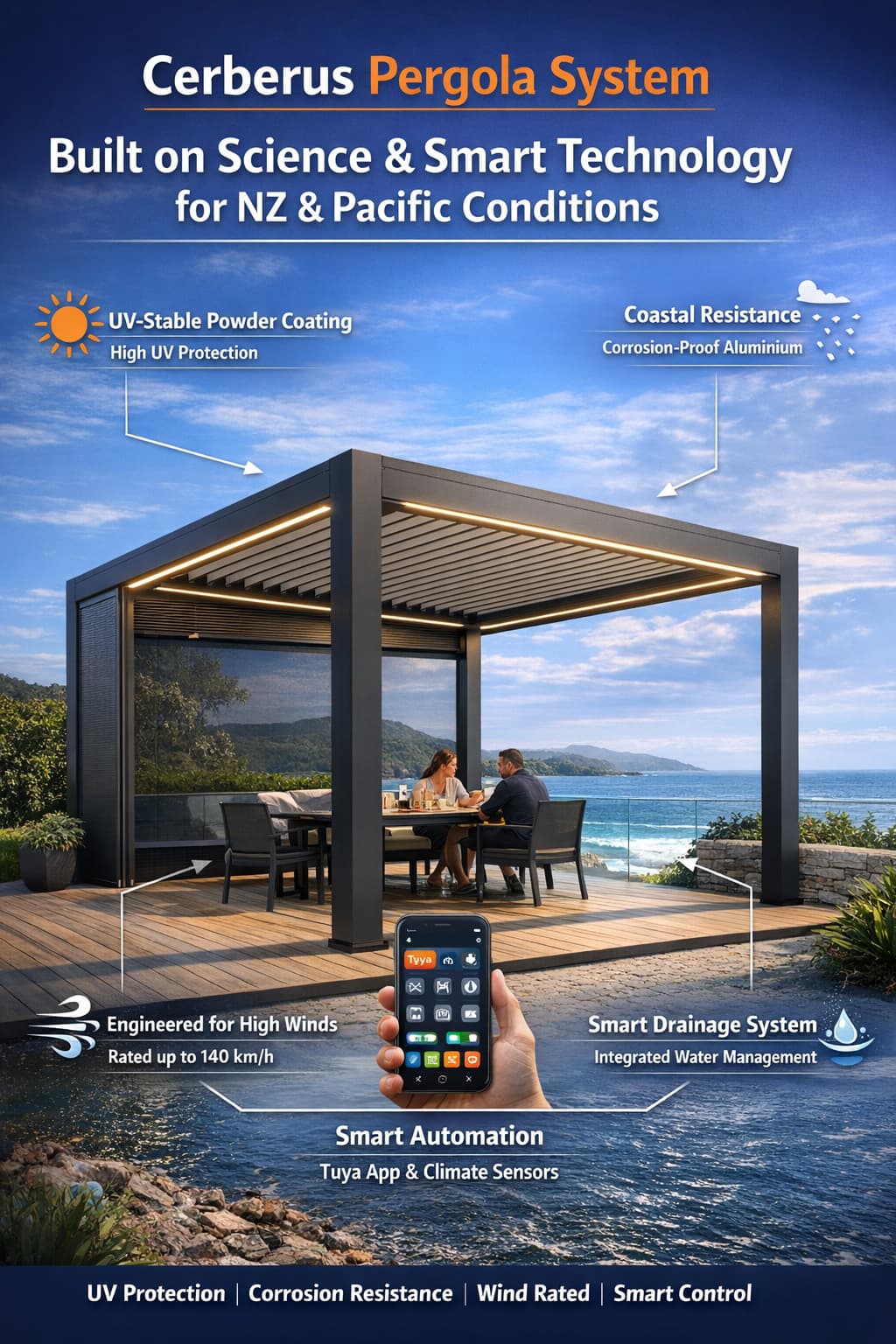
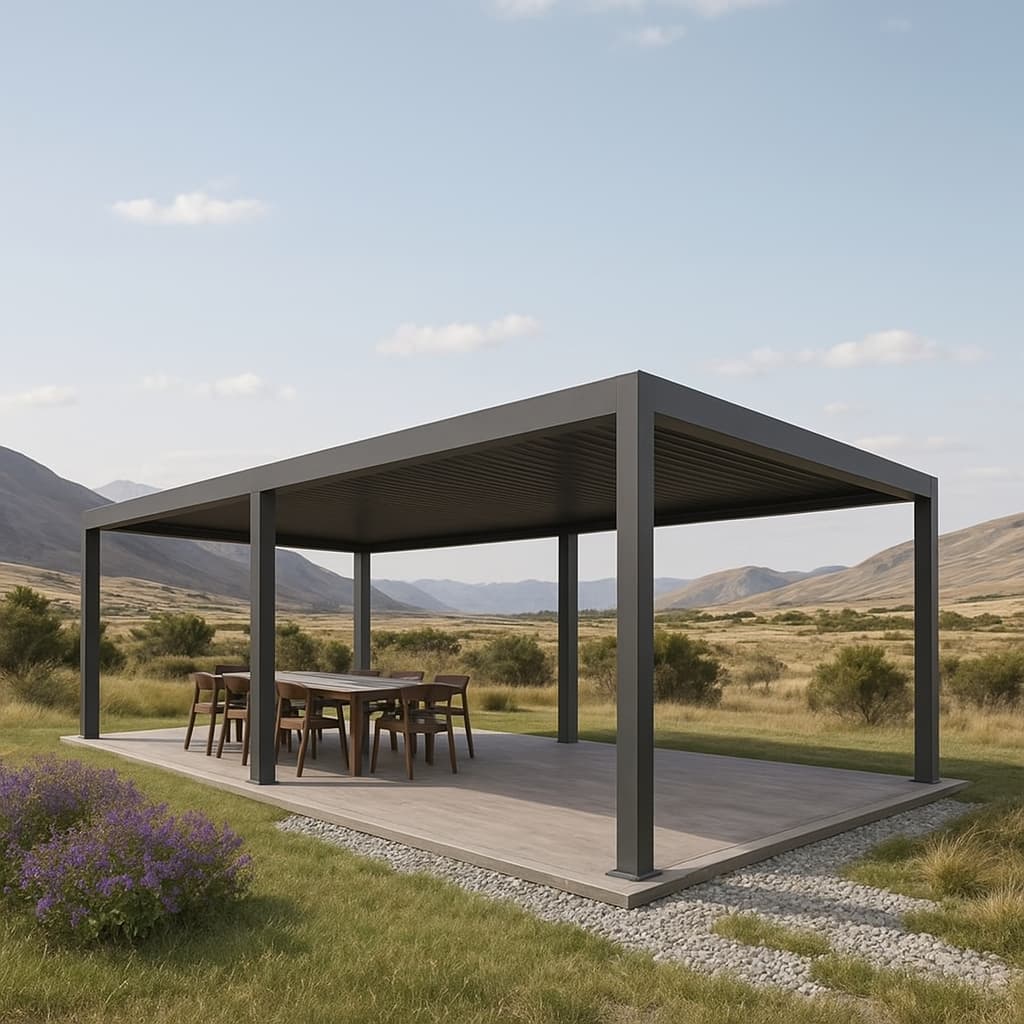
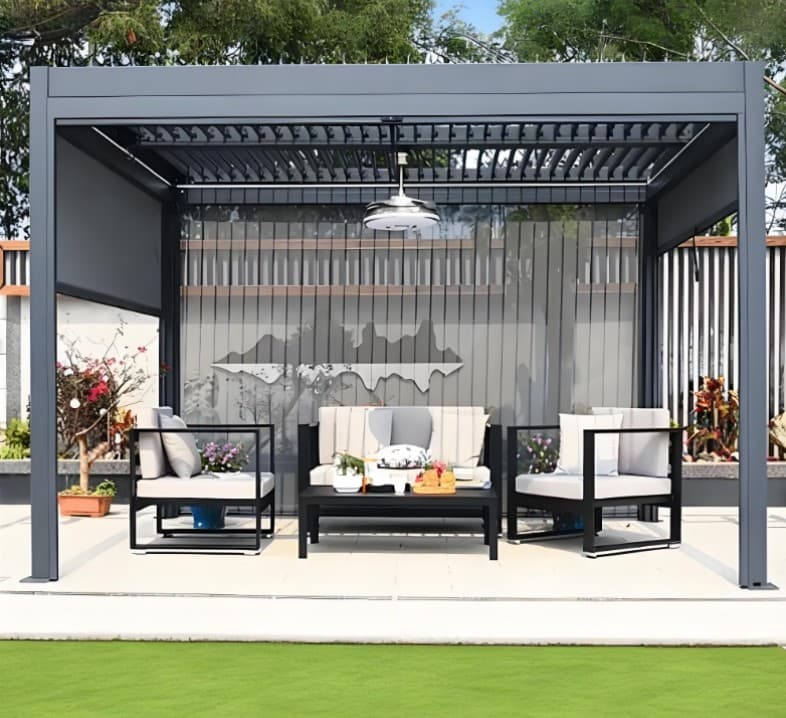
The Cerberus Pergola System is built on science-driven design principles and modern smart technology, combining materials engineering, structural logic, and environmental automation into a single modular platform.
Designed and supplied by Apollo NZ, Cerberus represents a new generation of kitset pergolas — engineered for real-world conditions, not brochure climates.
The Science of Outdoor Durability
Most pergola failures occur because environmental forces are underestimated or ignored.
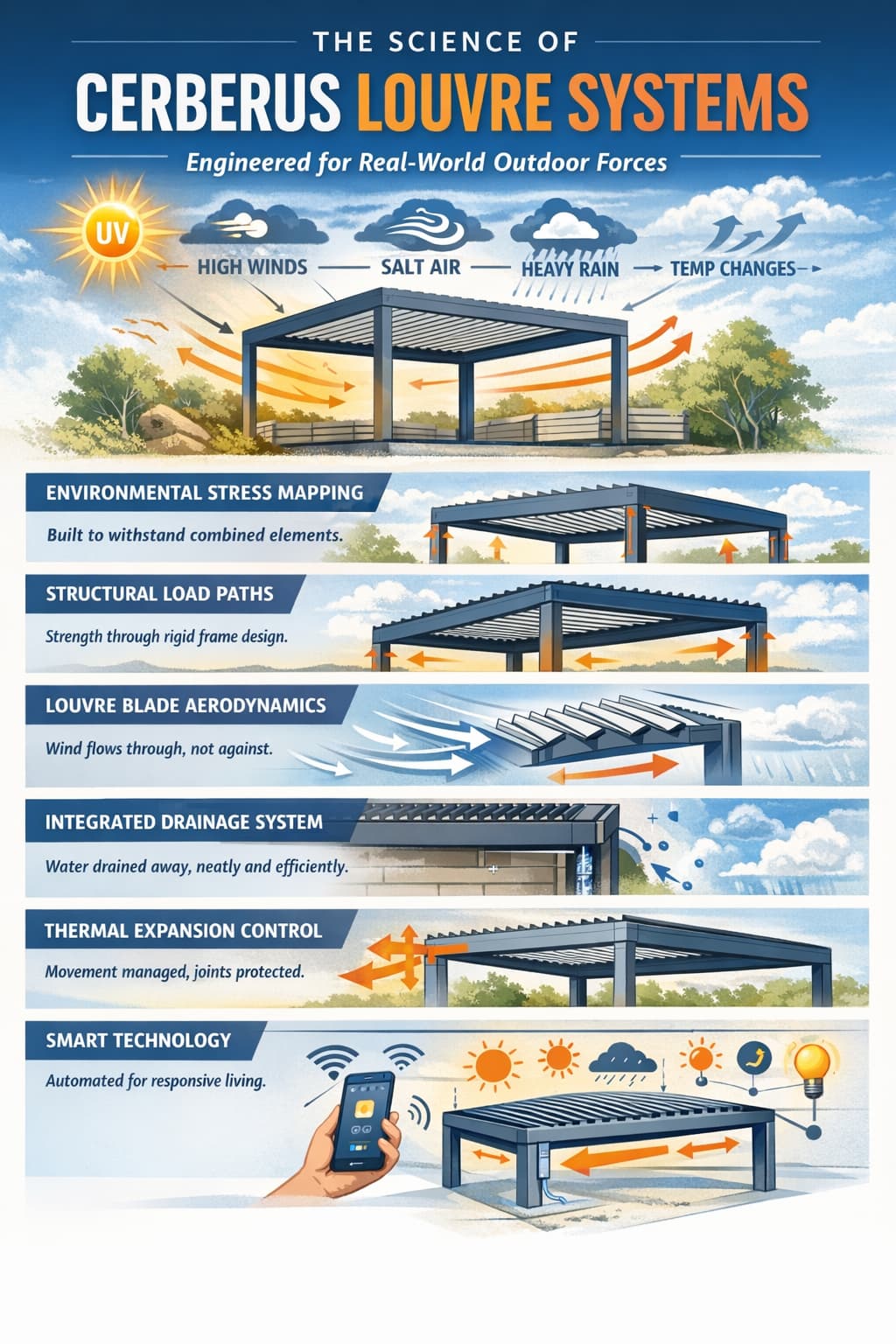
Cerberus is engineered to manage the five primary scientific stressors affecting outdoor structures:
• Ultraviolet radiation
• Salt-driven corrosion
• Wind-induced dynamic loading
• Water management and drainage
• Thermal expansion and contraction
Each element of Cerberus is designed to reduce material fatigue, prevent premature degradation, and extend service life.
Materials Science: Why Aluminium Matters
Cerberus uses architectural-grade aluminium, selected for its performance in high-exposure environments.
From a materials science perspective, aluminium offers:
• A natural oxide layer that self-heals when scratched
• High strength-to-weight ratio
• Excellent corrosion resistance in coastal climates
• Dimensional stability over time
• Low maintenance requirements
Unlike steel, aluminium does not rust, and unlike timber, it does not warp, rot, or degrade under UV exposure.
Surface Science & UV Technology
New Zealand experiences some of the highest UV levels in the world, accelerating the breakdown of coatings and finishes.
Cerberus addresses this using UV-stable powder coating technology, engineered to resist photodegradation.
Scientific benefits include:
• UV inhibitors embedded in the coating matrix
• Reduced polymer chain breakdown
• Slower colour fade and chalking
• Long-term surface integrity under extreme sunlight
This ensures Cerberus maintains both structural protection and visual quality over time.
Corrosion Engineering in Coastal & Tropical Zones
Salt-laden air accelerates corrosion through electrochemical reactions, especially where moisture becomes trapped at joints.
Cerberus mitigates this through:
• Aluminium frame construction
• Powder-coated surface barriers
• Stainless steel connections
• Optional 316-grade stainless steel for aggressive coastal zones
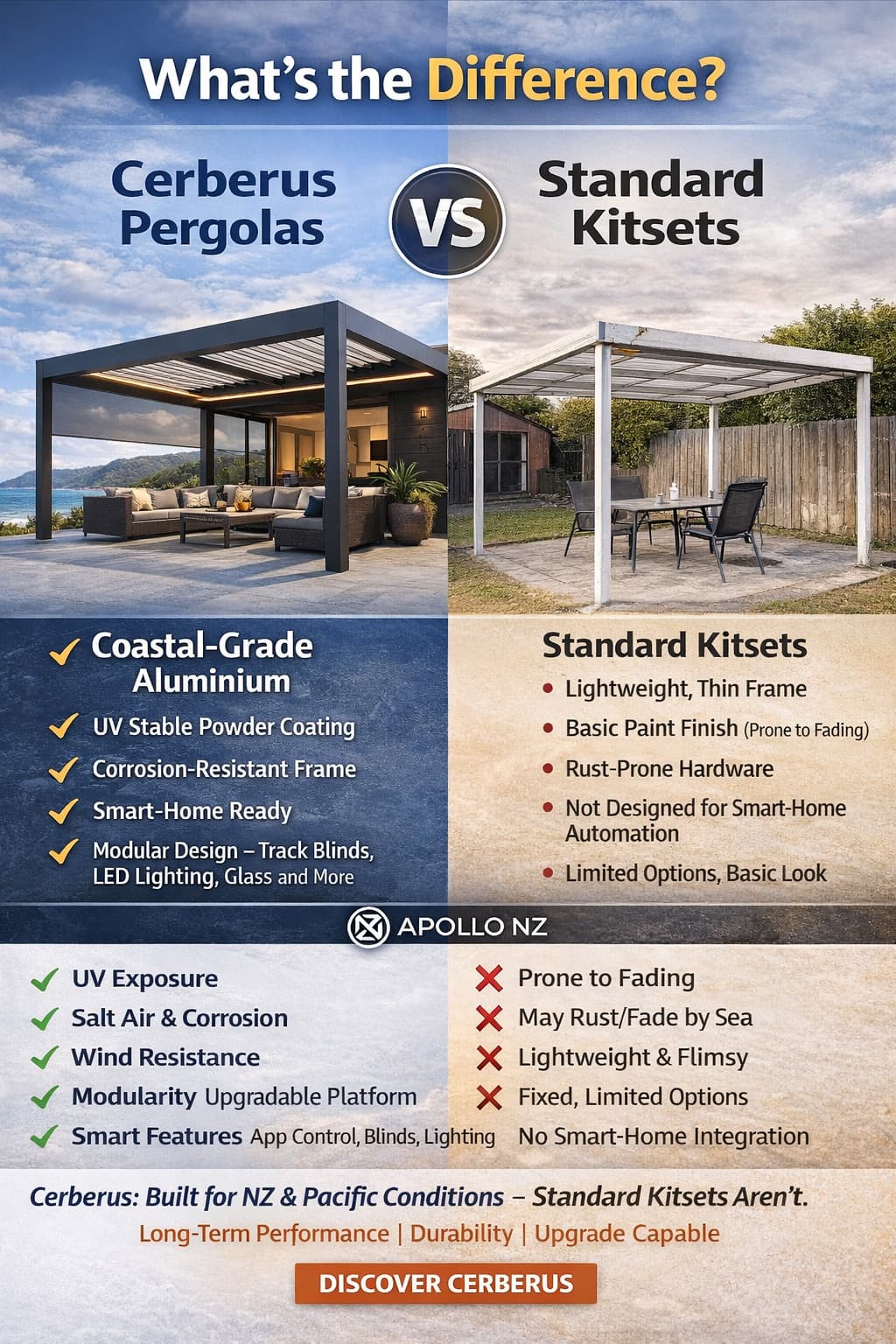
This multi-layered corrosion strategy significantly extends service life compared to mixed-material kitsets.
Structural Engineering & Wind Technology
Wind is a dynamic load, not a static force.
Cerberus is designed to handle:
• Wind uplift
• Lateral gust loading
• Cyclic vibration
• Long-term joint stress
Engineering strategies include:
• Rigid square-frame geometry
• Optimised beam and post profiles
• Reinforced connection zones
• Clear load paths from roof to ground
This allows Cerberus to be engineered for wind speeds up to 140 km/h, depending on configuration and site conditions.
Water Management, Drainage & Gravity Design
Rainwater becomes destructive when it pools or infiltrates joints.
Cerberus integrates:
• Internal drainage channels
• Gravity-fed water control
• Directed discharge away from posts and fixings
This reduces:
• Long-term moisture exposure
• Corrosion risk
• Staining and surface degradation
Thermal Expansion & Dimensional Control
Aluminium expands and contracts with temperature changes — particularly in environments with strong sun exposure.
Cerberus accounts for this through:
• Expansion tolerances in profile design
• Precision-fit components
• Controlled movement at fixing points
This prevents:
• Stress fractures
• Component binding
• Noise from thermal movement
Smart Technology: Environmental Automation
Cerberus is more than structural — it is smart-home ready.
Using Tuya-based smart technology, Cerberus becomes an environment-responsive system.
Smart Control Capabilities:
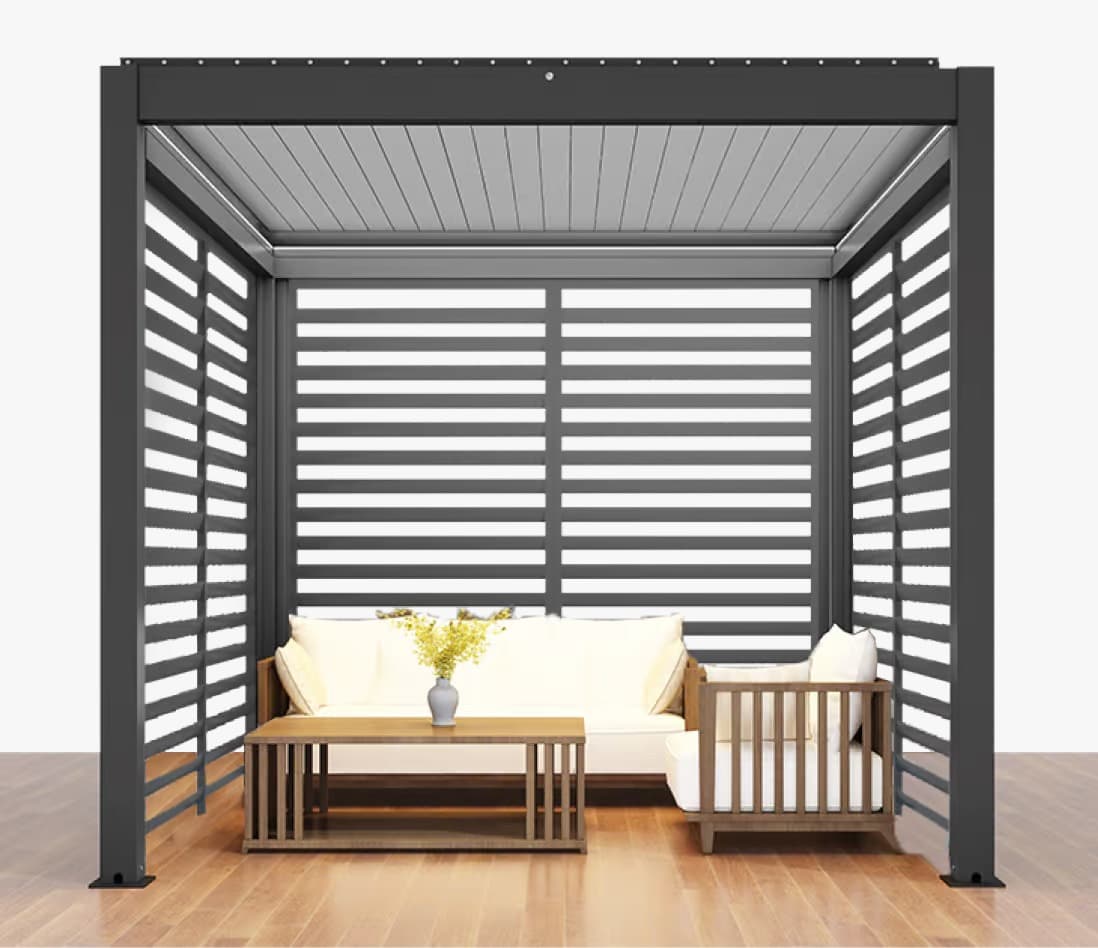
• Motorised louvre operation
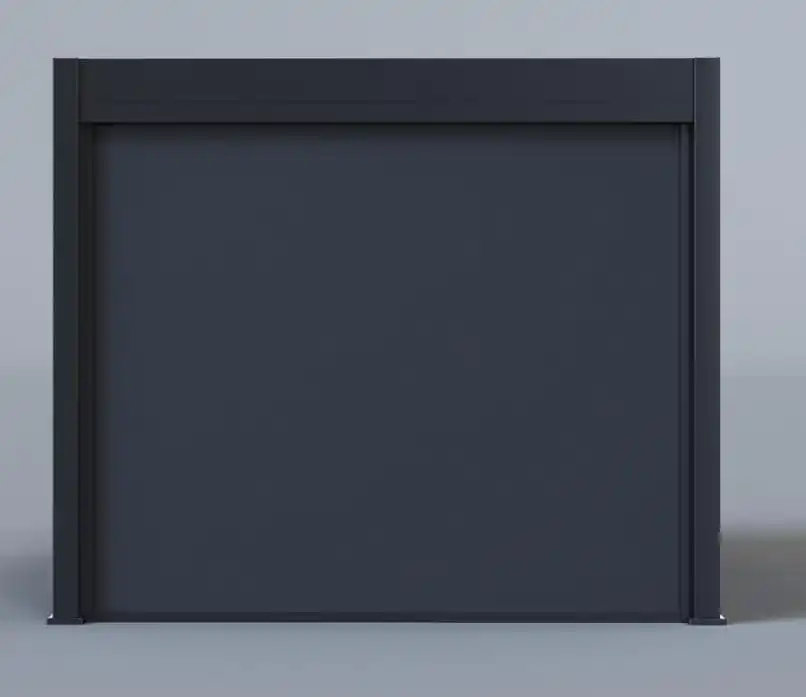
• Motorised Track Blinds
• App-based control via smartphone
• Voice control via Alexa or Google
• Automation schedules
• Remote operation
Sensor Technology: Protecting the Structure Itself
Sensors are not just convenience features — they actively protect the pergola.
Environmental Sensors Enable:
• Automatic louvre closure during rain
• Wind-triggered protective responses
• Reduced mechanical wear
• Lower risk of storm damage
This use of reactive automation extends the lifespan of both structural and mechanical components.
Modular Technology Platform
Cerberus is designed as a technology-enabled platform, not a fixed product.
Install the core pergola first, then integrate:
• Track Blinds
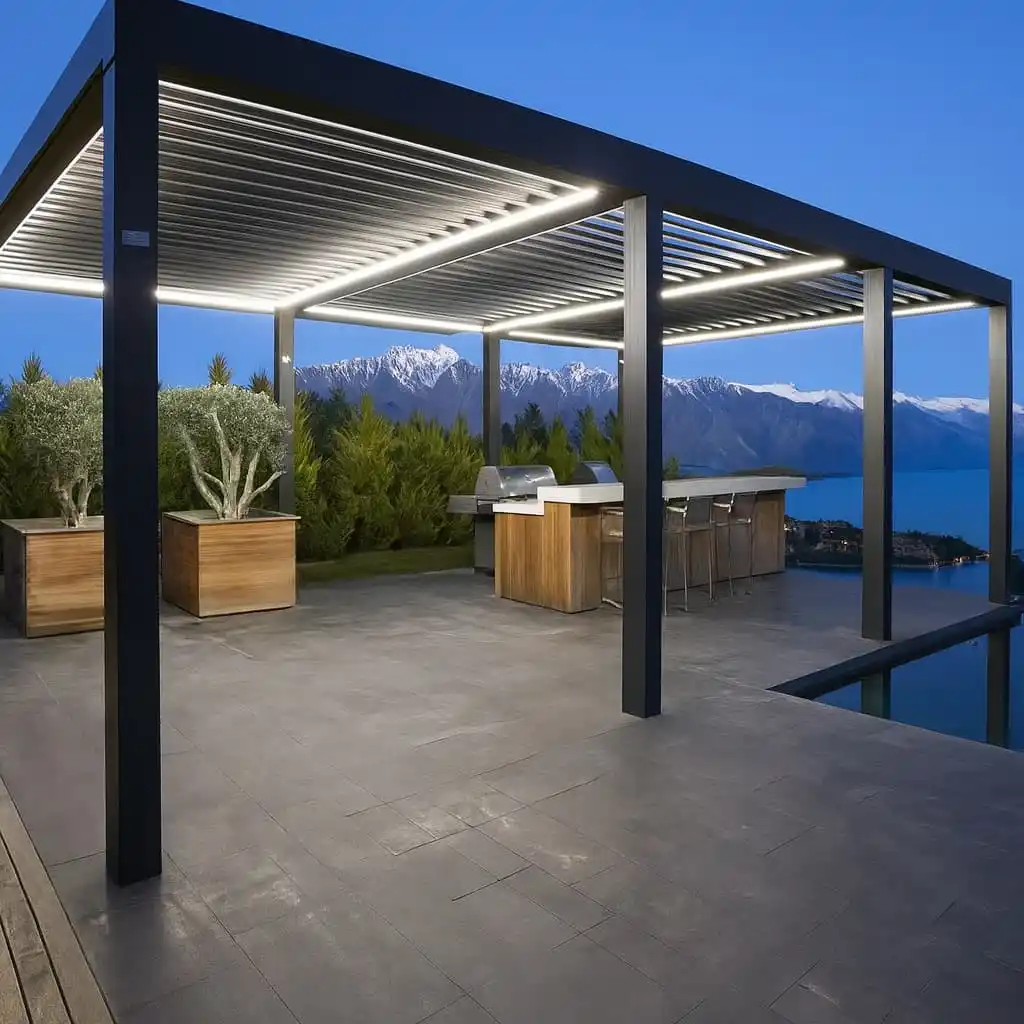
• LED or RGB lighting
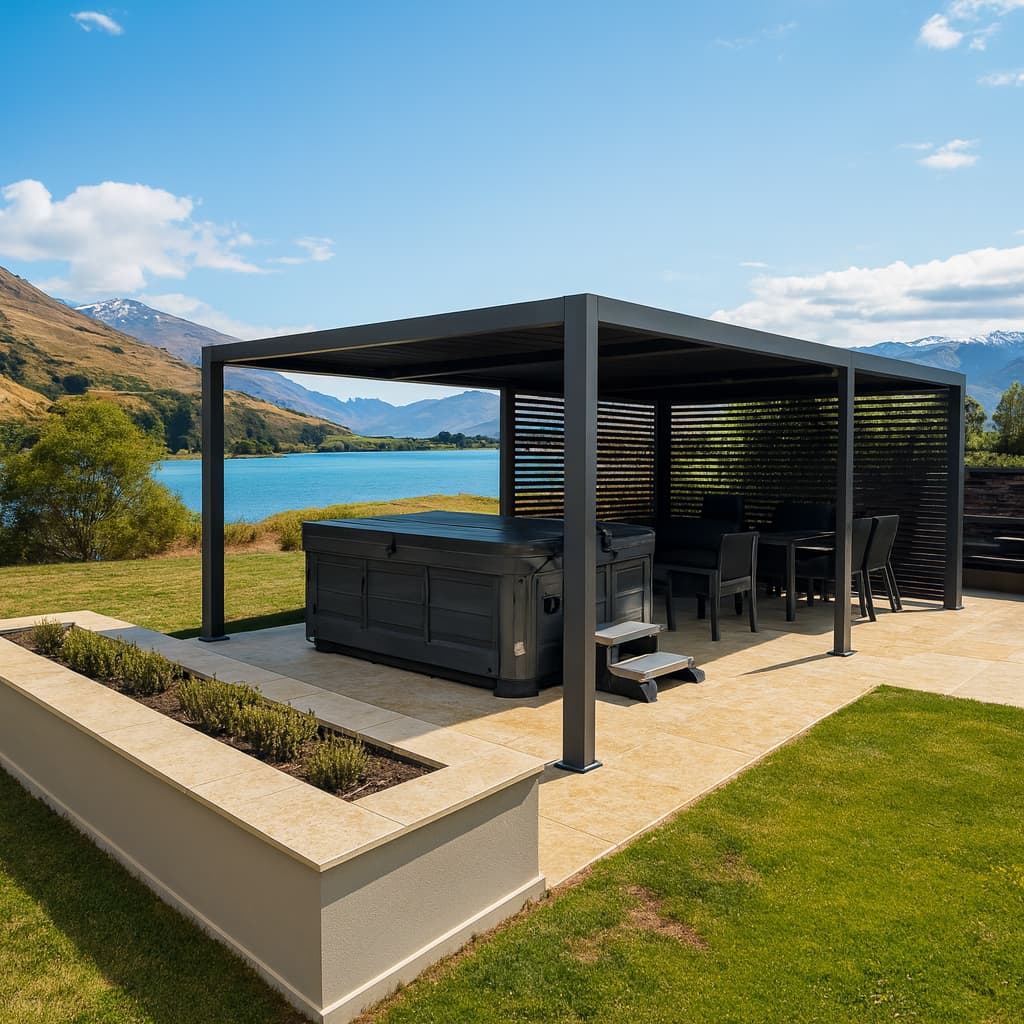
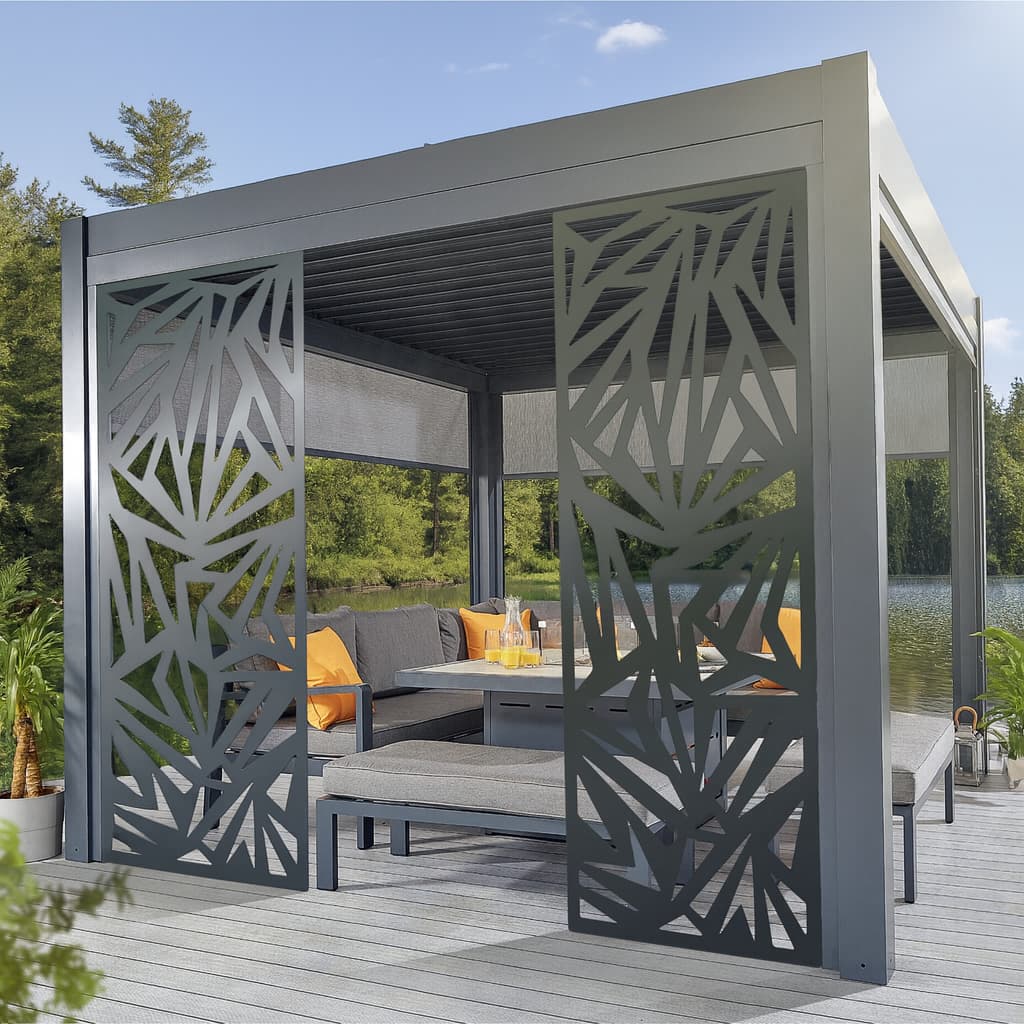
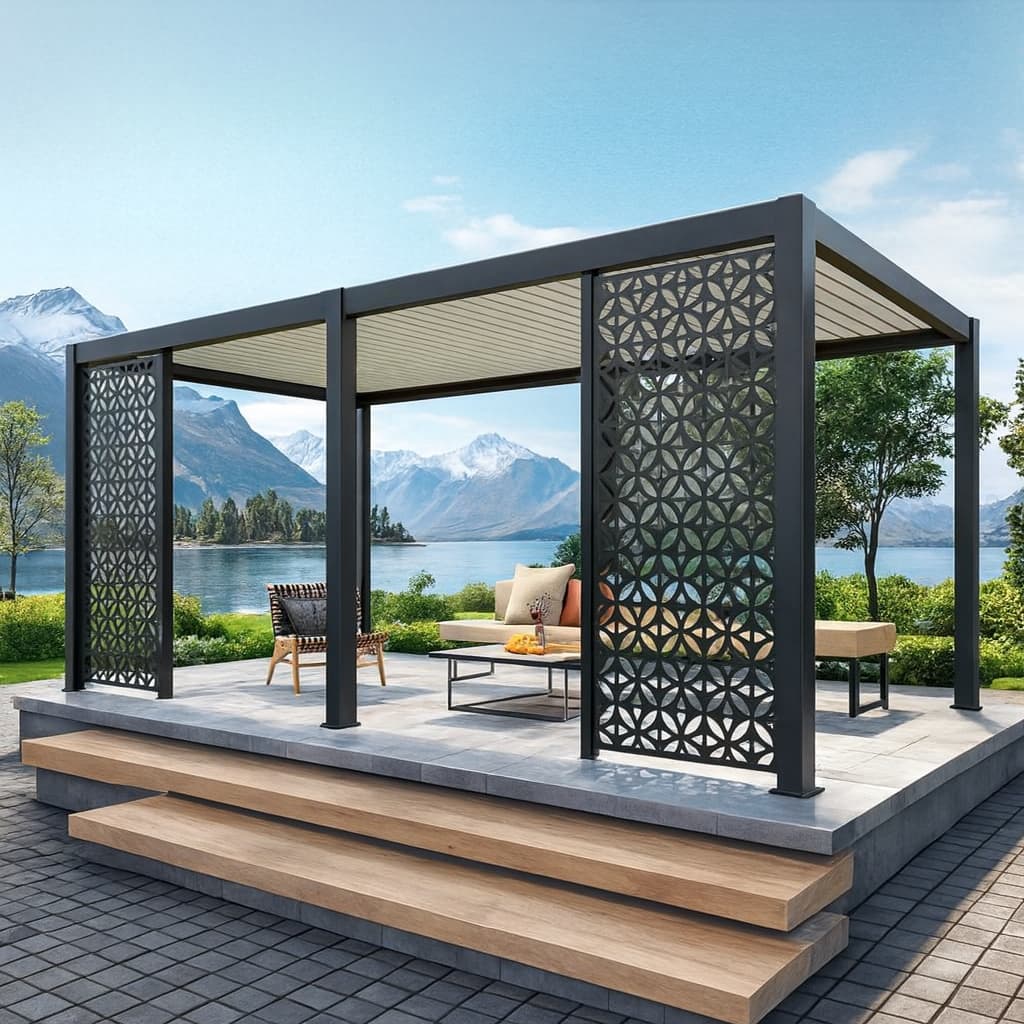
• Privacy panels
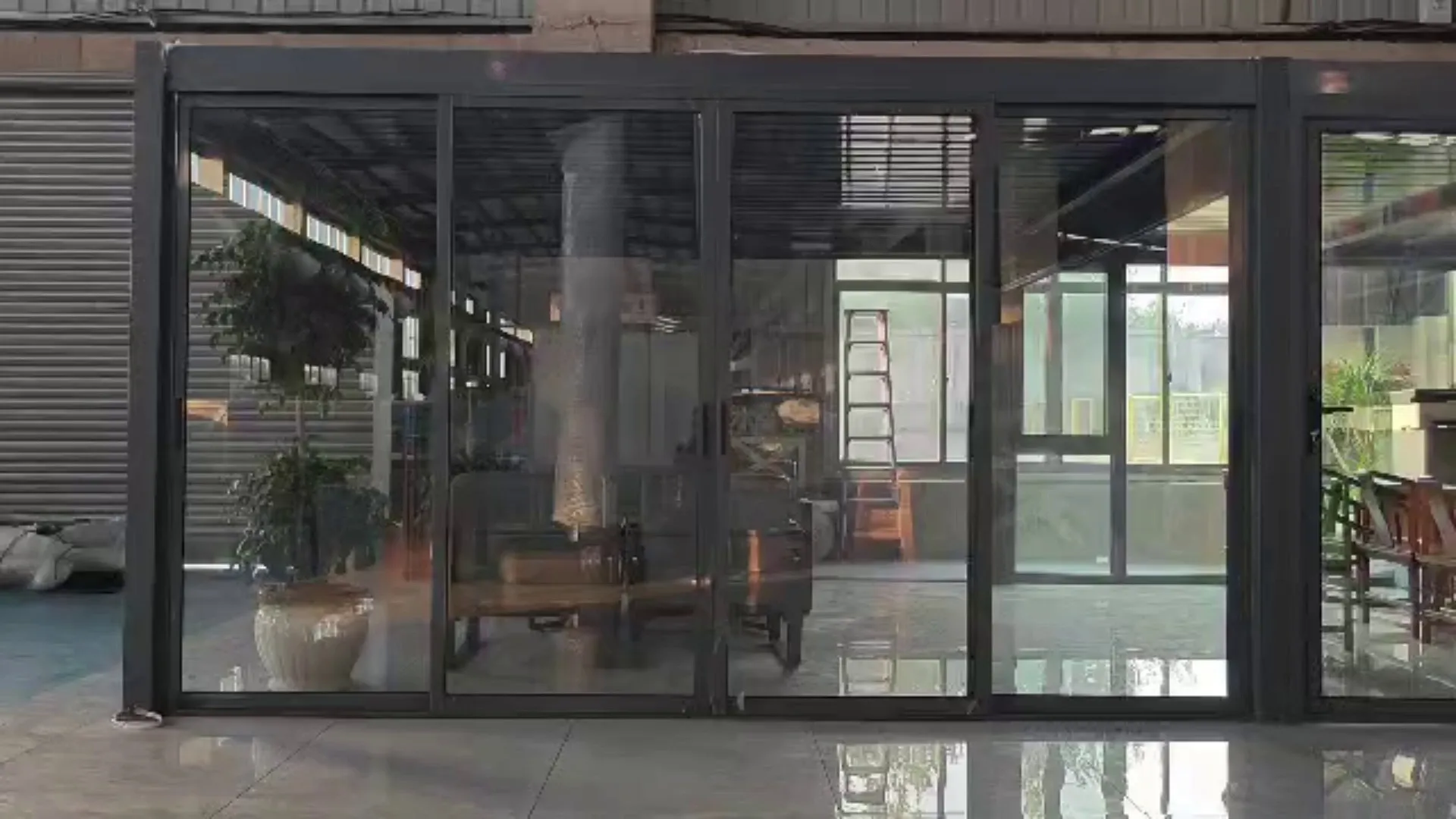
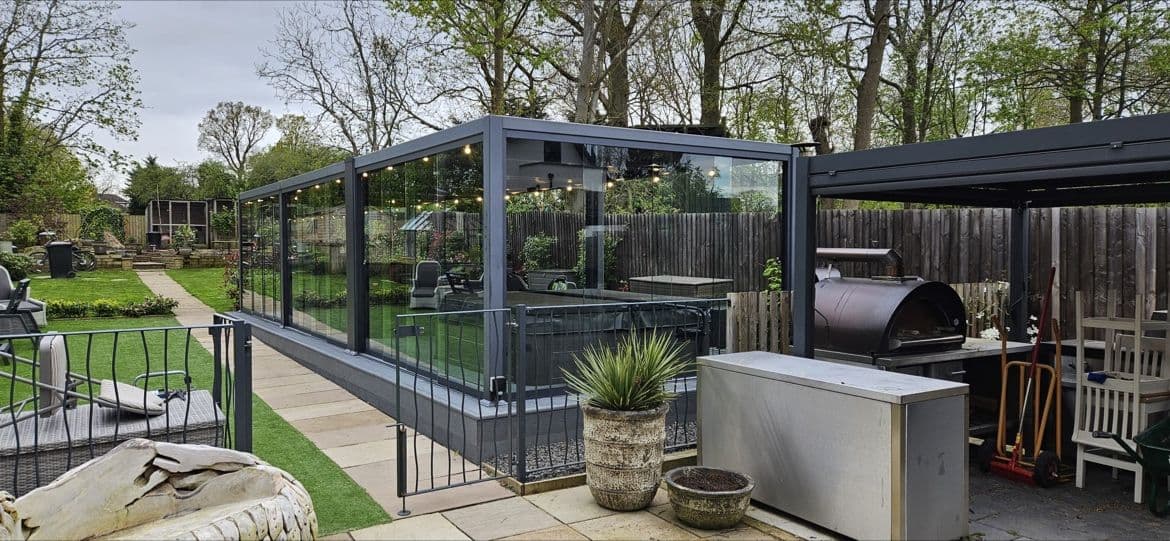
• Frameless glass
• Cantilever extensions
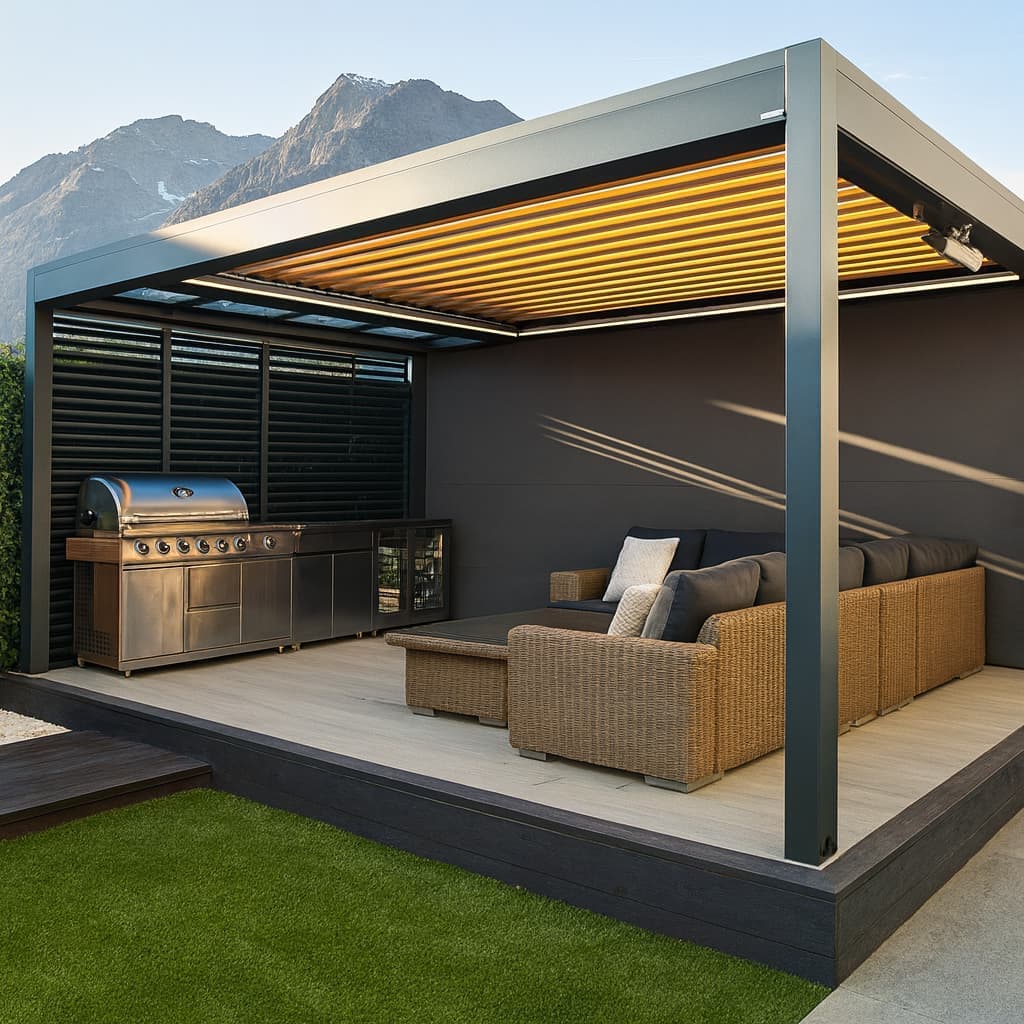
• Spa or outdoor kitchen configurations
• Smart sensors and automation
This approach aligns with modern building technology, where systems evolve rather than being replaced.
High Performance Without Overengineering
Cerberus sits between:
• Lightweight consumer kitsets
• Fully bespoke architectural pergolas
Delivering:
• Science-based material selection
• Engineered structural performance
• Smart automation capability
• Modular future-proofing
Without unnecessary complexity or cost escalation.
Cerberus Pergola System
Built on Science. Powered by Technology. Engineered for Reality.
Cerberus is designed for:
• High UV exposure
• Coastal and tropical corrosion
• Wind-prone environments
• Heavy rainfall
• Long-term ownership
That is why it has become a benchmark high-performance pergola system across New Zealand and the Pacific.