Description
Pickleball is one of the fastest-growing sports in New Zealand and the Pacific, and more homeowners are now installing private pickleball courts at home for family play, fitness, social entertainment, and lifestyle upgrades.
One of the most important decisions when building a home pickleball court is choosing the right surface. Two of the most popular modern options are:
-
PP Interlocking Pickleball Tiles
-
Pickle Sand 3.5 Pickleball Flooring Roll
Both surfaces deliver excellent performance — but they differ significantly in:
-
Comfort level
-
Sound control
-
Installation style
-
Outdoor performance
-
Permanent vs semi-permanent use
This article breaks down the real-world differences, best-use scenarios, and which surface is right for your space.
What Are PP Interlocking Pickleball Tiles?
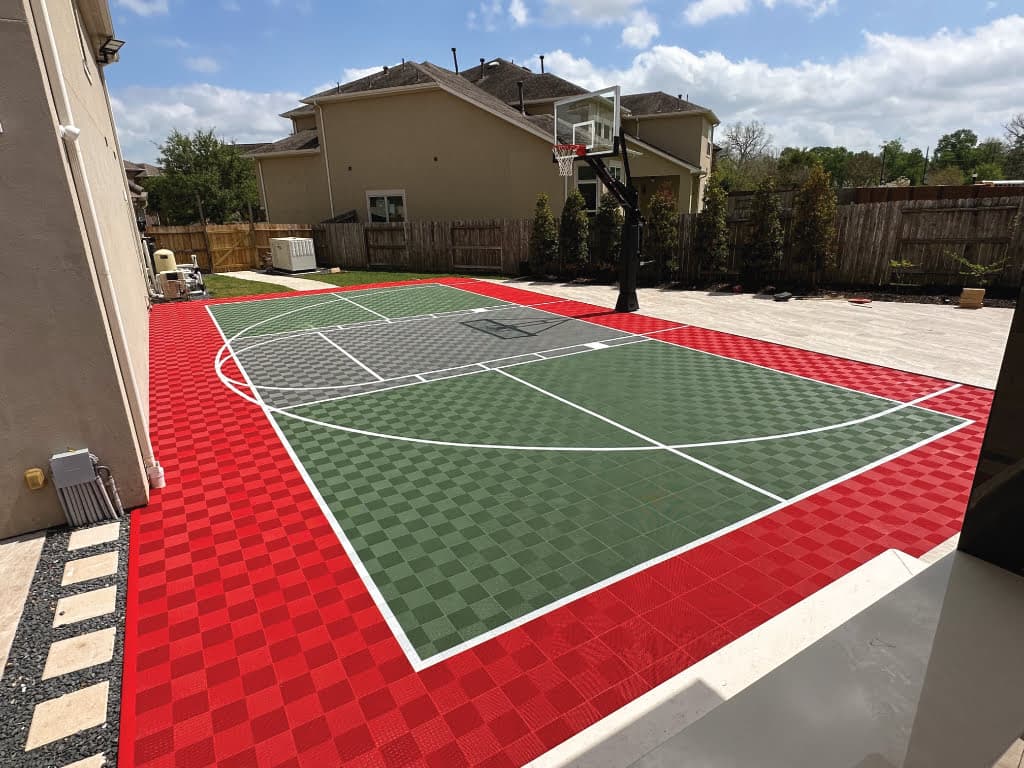
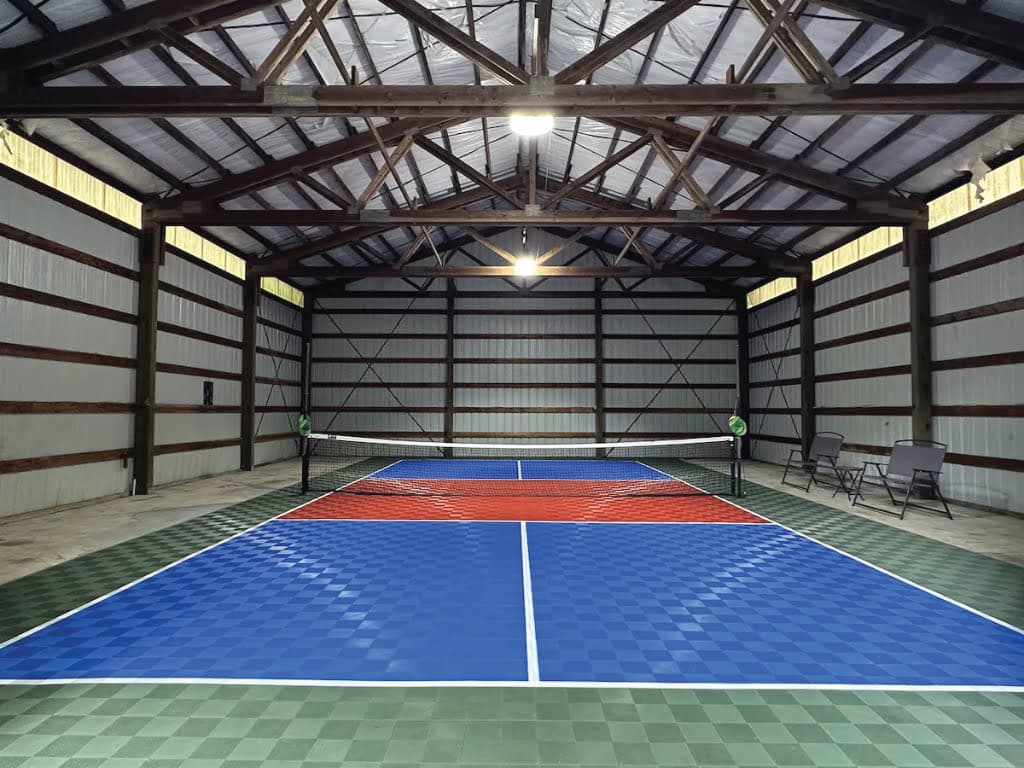
PP (polypropylene) interlocking sports tiles are a modular outdoor court surface system designed for pickleball, basketball, tennis, and multi-sport courts. The tiles lock together to create a floating sports floor over concrete, asphalt, or compacted hard base.
Key Features
-
Outdoor-grade polypropylene copolymer
-
Snap-lock interlocking system
-
Typical tile size: 30.5 × 30.5 × 1.4–1.6 cm
-
UV-stabilised, waterproof, and weather-resistant
-
Hollow anti-slip texture for drainage and grip
-
No adhesives required
Benefits for Home Pickleball Courts
-
Crisp, fast ball bounce
-
Exceptional drainage for rainy conditions
-
Strong slip resistance
-
DIY-friendly installation
-
Replace individual tiles if damaged
-
Extremely low long-term maintenance
Best Uses
-
Fully outdoor backyard courts
-
Driveways and patios
-
Rental properties
-
Multi-sport family recreation areas
What Is Pickle Sand 3.5 Pickleball Flooring Roll? (Indoor, Outdoor & Semi-Permanent Approved)
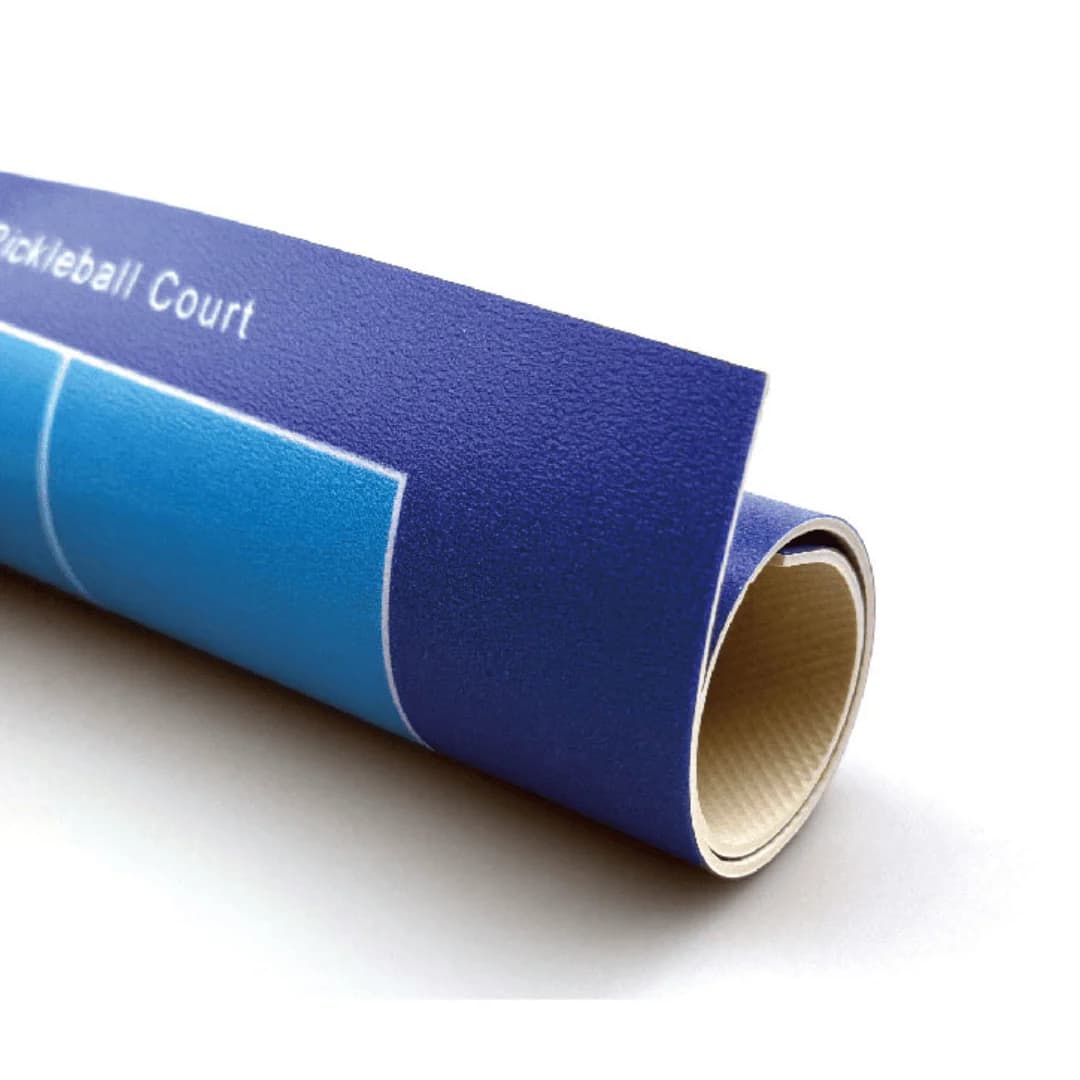
Pickle Sand 3.5 is a 3.5 mm thick multi-layer performance sports flooring roll designed for indoor, covered, and fully outdoor pickleball courts. When installed on a properly prepared hard base with good drainage, it performs exceptionally well outdoors while offering significantly higher comfort than traditional tiles.
A major advantage of Pickle Sand 3.5 is its semi-permanent capability. Because it is supplied in roll format, it can be:
-
✅ Installed permanently
-
✅ Or rolled out for play and rolled back up when the space is needed for other uses
This flexibility is exactly why many commercial venues such as bars, restaurants, breweries, hospitality venues, and event spaces are choosing Pickle Sand for pickleball setups that must share space with dining, seating, and entertainment.
Key Features
-
3.5 mm performance sports flooring thickness
-
Smooth, non-slip sand-textured surface
-
UV-stable and weather-resistant for outdoor use
-
Shock-absorbing vinyl/PVC layered construction
-
Supplied in large continuous rolls
-
Permanent or semi-permanent installation options
-
Can be rolled up and relocated as required
Benefits for Home & Commercial Courts
-
High comfort and joint protection
-
Seamless indoor or outdoor playing surface
-
Very quiet ball rebound
-
Strong traction underfoot
-
Ideal for shared-use spaces
-
Premium professional court appearance
| Feature | PP Interlocking Tiles | Pickle Sand 3.5 Flooring Roll |
|---|---|---|
| Indoor / Outdoor Use | Outdoor focused | Indoor, covered & fully outdoor |
| Permanent or Temporary | Permanent installation | Permanent or semi-permanent (rollable) |
| Ball Bounce | Crisp, fast, energetic | Softer, controlled response |
| Comfort Underfoot | Medium cushioning | High shock absorption |
| Water Drainage | Excellent natural drainage | Requires solid base & drainage planning |
| Slip Resistance | Excellent, even in rain | Excellent in dry & outdoor conditions |
| Sound Level | Louder ball impact | Very quiet play surface |
| Installation | DIY-friendly | Professional install recommended |
| Surface Look | Sport tile texture | Seamless professional court finish |
| Maintenance | Replace single tiles | Long-term full-surface durability |
| Longevity Outdoors | Extremely high | High when installed correctly |
Which Surface Is Best for Your Home Pickleball Court?
There is no single “best” option — the correct surface depends on how your space will actually be used.
Choose PP Interlocking Tiles If:
-
Your court will be fully exposed to the weather
-
You want maximum drainage performance
-
You prefer DIY installation
-
You need a tough multi-sport surface
-
You want a rugged, permanent setup
Ideal for:
Backyards, driveways, rental properties, family recreation courts, shared outdoor spaces.
Choose Pickle Sand 3.5 If:
-
Your court is indoor, pergola-covered, or fully outdoors
-
You want maximum comfort and joint protection
-
You want a seamless premium court finish
-
Noise reduction is important
-
You want the versatility of a semi-permanent court that can be rolled up and removed
-
Your space also doubles as a dining, entertainment, or event area
Ideal for:
Backyards, pergola-covered courts, home gyms, garages, enclosed outdoor rooms, bars, restaurants, breweries, hospitality venues, event spaces, and shared commercial areas.
Which Pickleball Surface Is More Affordable?
For most homeowners:
-
PP Tiles are generally the most cost-effective upfront and easiest to install.
-
Pickle Sand 3.5 offers a premium comfort experience and semi-permanent flexibility with a slightly higher install requirement.
Both deliver long-term value when matched correctly to the environment.
Final Summary: Tiles vs Pickle Sand for Home Pickleball Courts
| Best Use | Recommended Surface |
|---|---|
| Fully open backyard court | PP Interlocking Tiles |
| Pergola-covered court | Pickle Sand 3.5 |
| Indoor court or home gym | Pickle Sand 3.5 |
| Driveway or patio court | PP Interlocking Tiles |
| Multi-sport family area | PP Interlocking Tiles |
| Quiet residential play | Pickle Sand 3.5 |
| Bars, restaurants, hospitality venues | Pickle Sand 3.5 (rollable) |
Both systems are excellent residential and commercial pickleball flooring solutions — the right choice depends on comfort needs, weather exposure, sound control, and whether the court must share space with other activities.