

Description
Pickleball has gone from a backyard experiment in the 1960s to one of the fastest-growing sports in the world. What started on a quiet island in Washington State is now a social, competitive, and community-driven sport played by millions globally—including a booming player base here in New Zealand.
Where Pickleball Began (1965)
Pickleball was invented in 1965 on Bainbridge Island, Washington (USA) by three friends and fathers: Joel Pritchard, Bill Bell, and Barney McCallum. Looking to entertain their families, they improvised using:
-
A badminton court
-
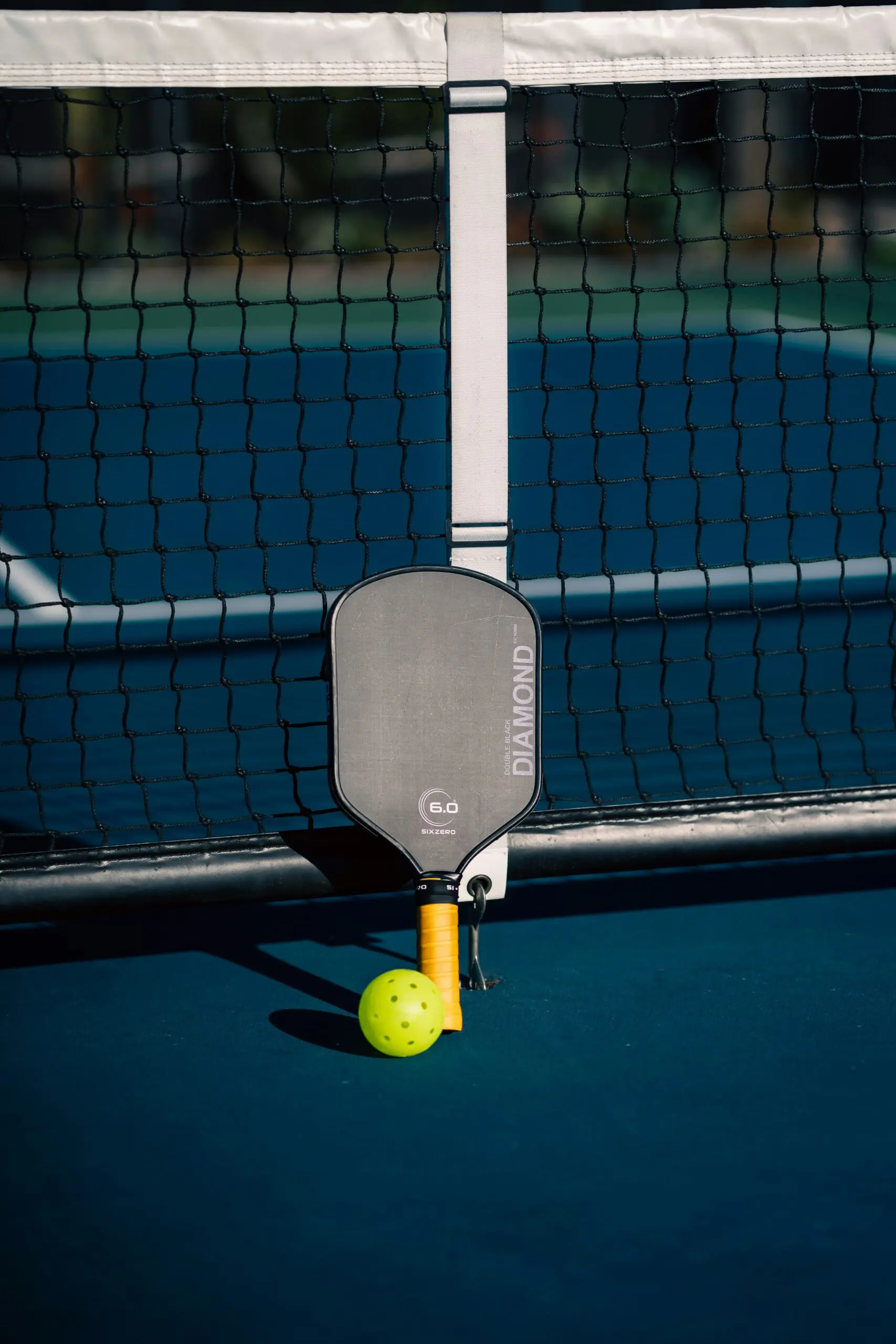
Table tennis paddles
-
A perforated plastic ball
-
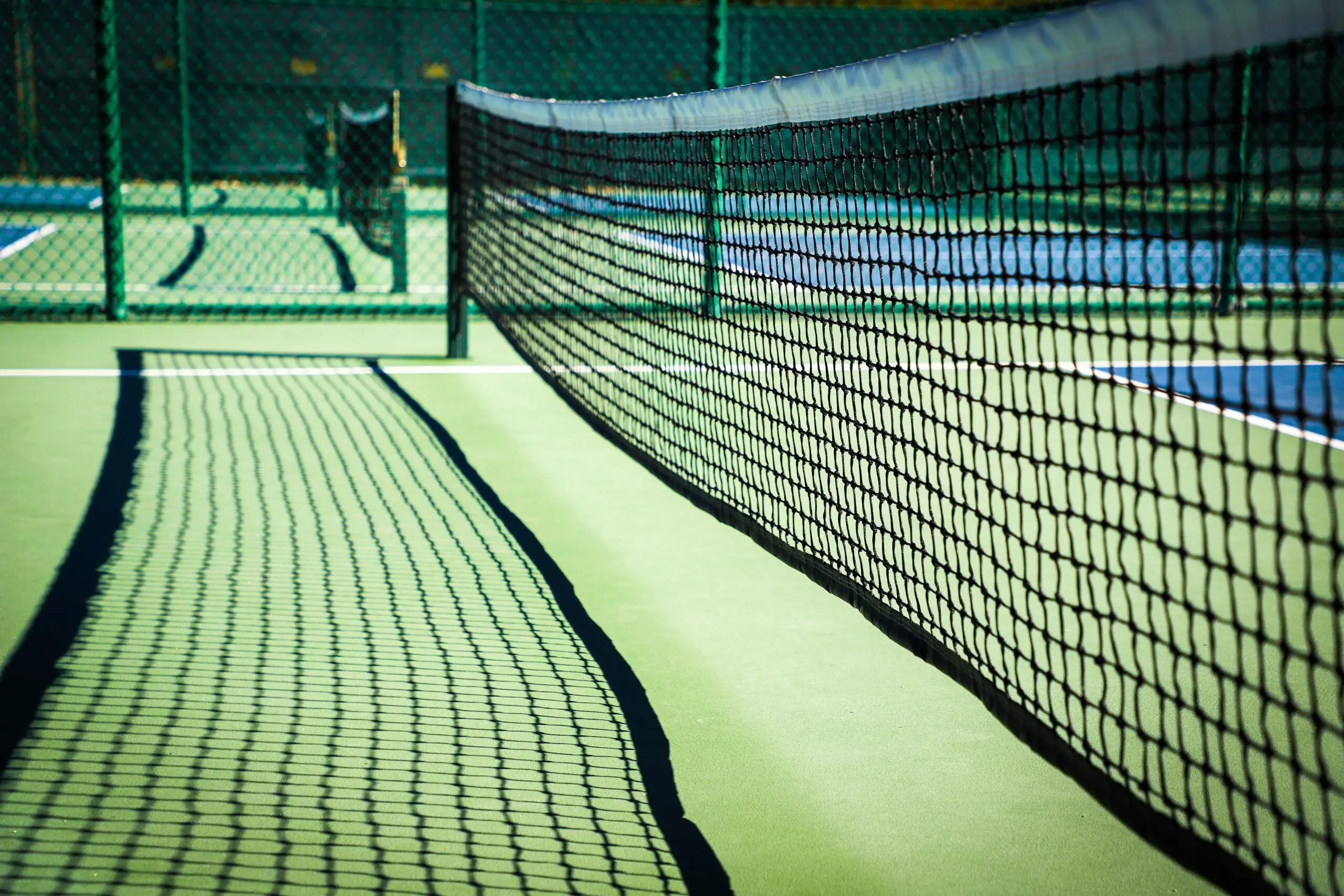
A net lowered to around tennis height
This simple mix of equipment led to a brand-new sport — one that was fun, easy to learn, and suited to all ages.
The name “pickleball” has two origin stories:
-
The widely accepted version connects it to the “pickle boat” — a rowing term for a crew made up of leftover rowers, reflecting the sport’s mismatched equipment beginnings.
-
A second story suggests it was named after the Pritchards’ dog, Pickles, though the family notes the dog came after the sport.
From Backyard to National Sport (1970s–1990s)
After its creation, pickleball expanded quickly:
-
Rules were refined in the late 1960s
-
The first permanent pickleball court was built in 1972
-
The USA Pickleball Association (USAPA) formed in 1984
-
By the 1990s, the sport spread to schools, community centres, and retirement communities across the United States
This period shaped pickleball into a fun, social, and accessible sport designed for all ages.
The Global Explosion: Why Pickleball Became So Popular
1. Easy to Learn
Most players can enjoy a rally within minutes.
2. Social & Community-Centric
Doubles is the most common format, encouraging teamwork and connection.
3. Low-Impact & Enjoyable
Ideal for kids, adults, and active seniors.
4. Fits in Small Spaces
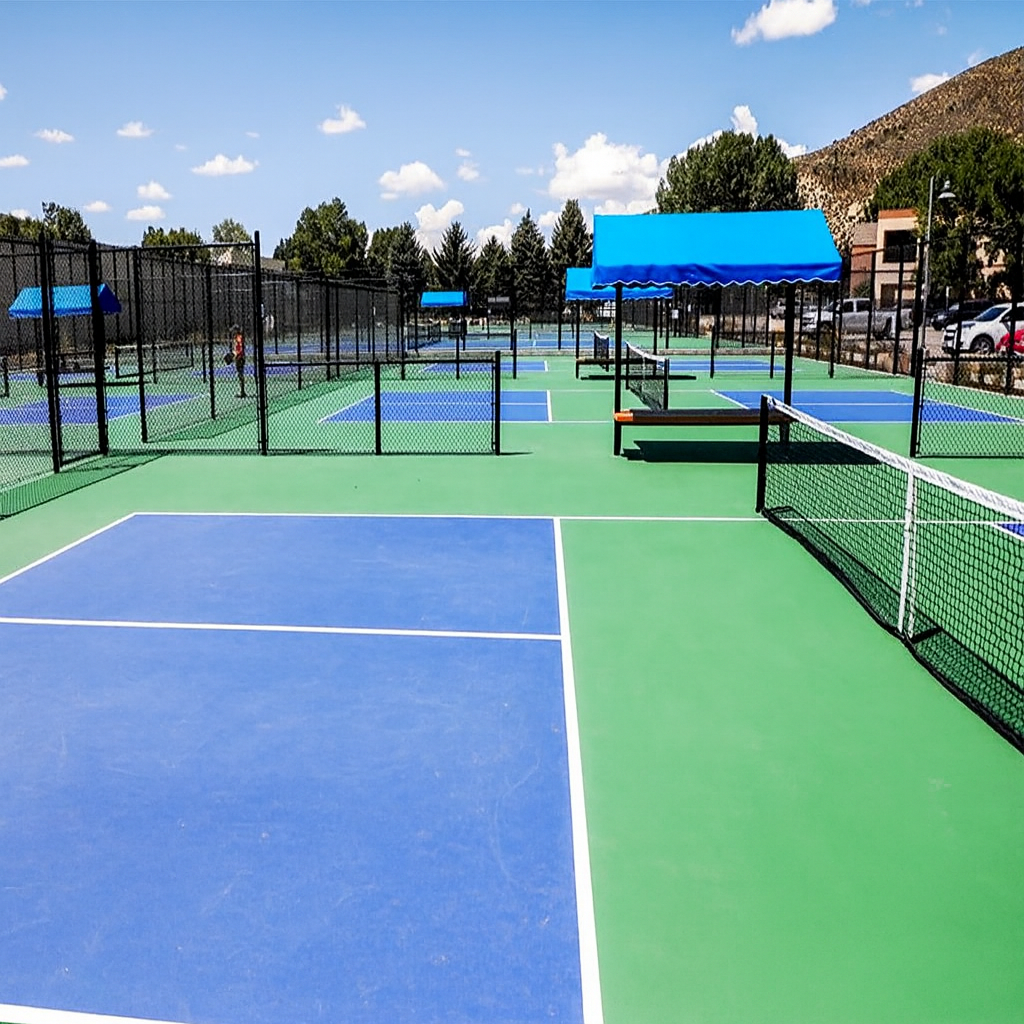
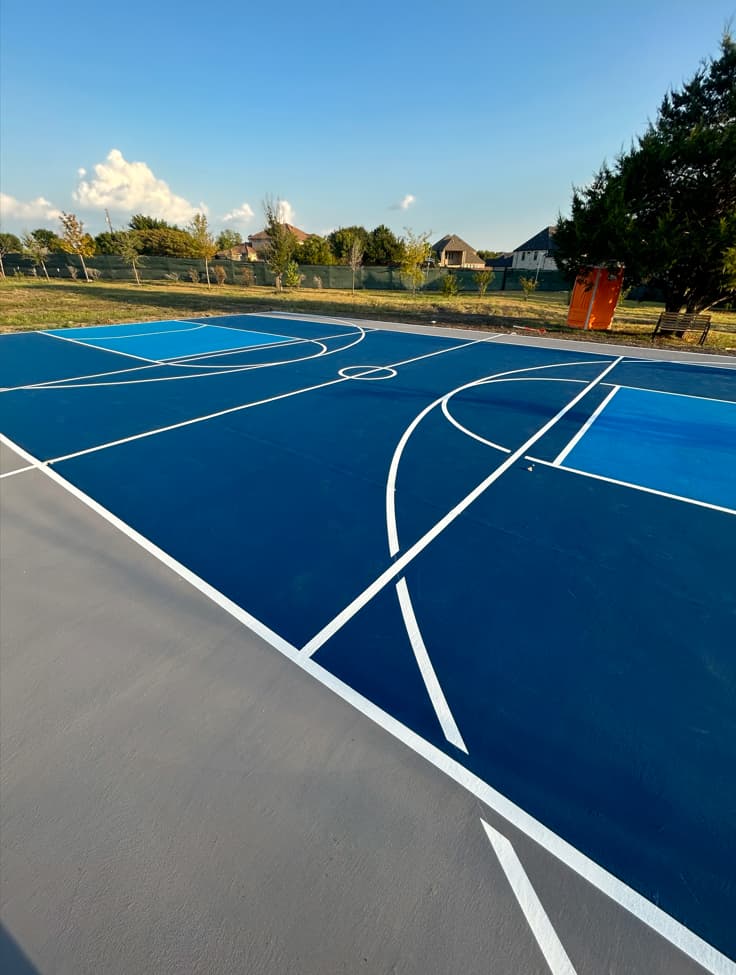
A pickleball court is significantly smaller than a tennis court, allowing rapid adoption in schools, clubs, and backyards.
5. Media Growth & Professional Leagues
Televised matches, global tournaments, and celebrity investment continue pushing the sport forward.
Worldwide Growth: The Numbers
-
Over 19.8 million active players in the U.S. alone
-
Nearly 50 million people in the U.S. have played recreationally in the last year
-
Played in 80+ countries worldwide
-
Thousands of dedicated courts being built annually
Pickleball has become a global movement.
⭐ Pickleball in New Zealand: A Rapid Rise
New Zealand has embraced pickleball at remarkable speed.
When It Arrived
Pickleball began gaining traction in NZ around 2015, with national organisation and club structures forming soon after.
Where It's Played in NZ
Today, it is popular in:
-
Auckland
-
Tauranga
-
Hamilton
-
Wellington
-
Christchurch
-
Dunedin
-
Queenstown
-
Many regional towns and retirement communities
NZ Participation Estimates
New Zealand now has:
-
6,000–8,000 active players
-
Dozens of new courts added each year
-
National championships attracting players nationwide
Why NZ Loves Pickleball
-
Fits the Kiwi outdoor lifestyle
-
Appeals to all ages
-
Affordable to set up
-
Perfect for community & multi-use venues
Pickleball is one of NZ’s fastest-growing recreational sports.
Challenges Along the Way
As pickleball grows, some issues are emerging:
-
Noise concerns in residential areas from paddle–ball impact
-
Court availability shortages due to surging interest
-
Injury increases, especially among new or older players
-
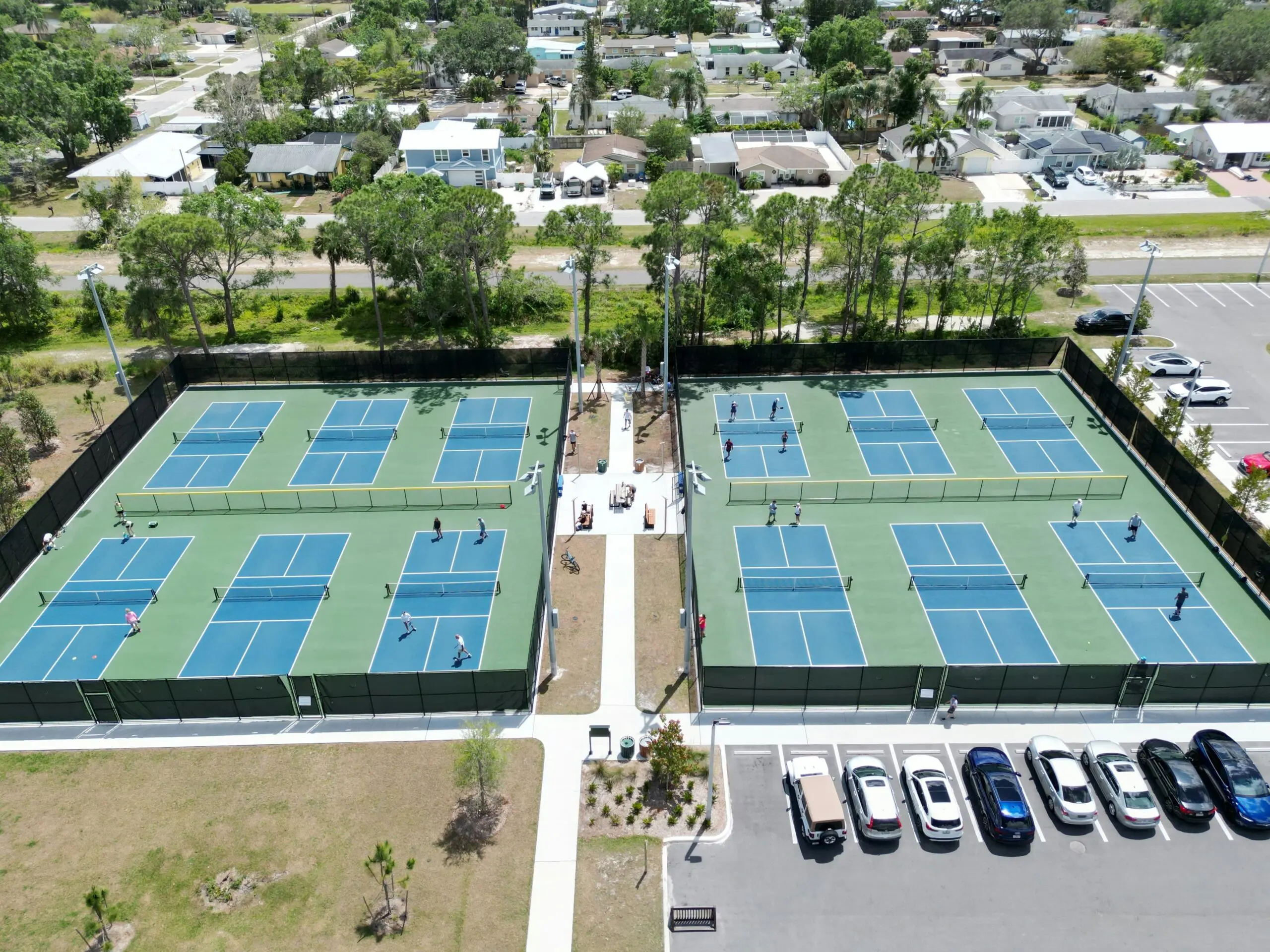
Demand exceeding supply, with more clubs and councils adding courts every year
These challenges are expected in a fast-expanding sport and are being addressed through planning, quieter equipment development, and improved facility design.
However, one of the biggest improvements comes from modern court-surface innovation, which actively solves many of these issues.
Modern Surface Solutions: Tiles & PickleSand
As pickleball evolves, playing surfaces are becoming a crucial part of ensuring:
-
Lower noise
-
Better player safety
-
More court availability
-
Improved community acceptance
-
Multi-use spaces that work for both clubs and commercial venues
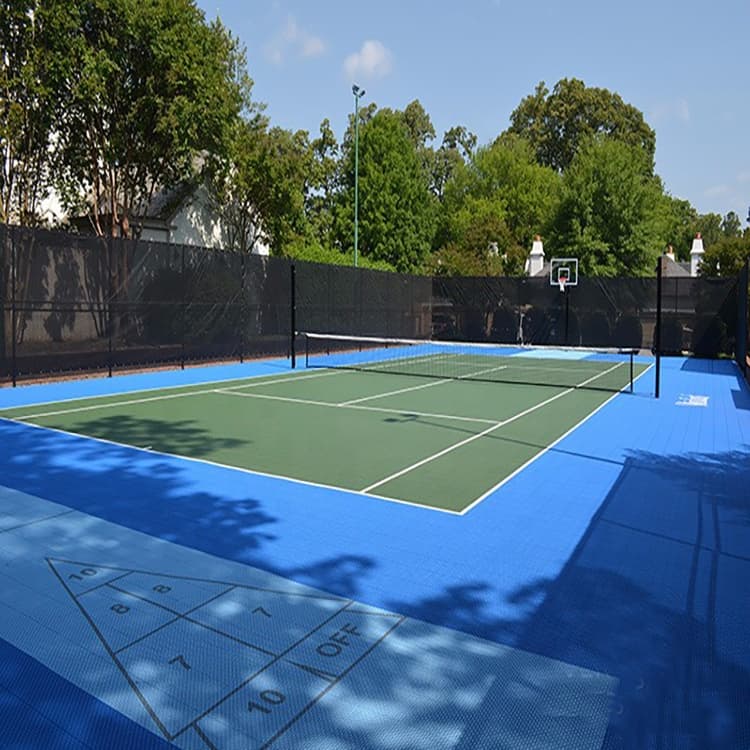
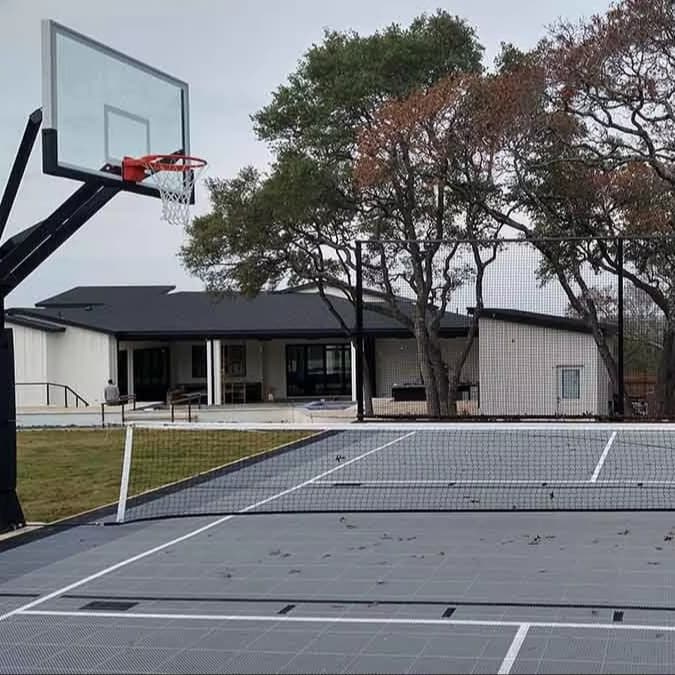
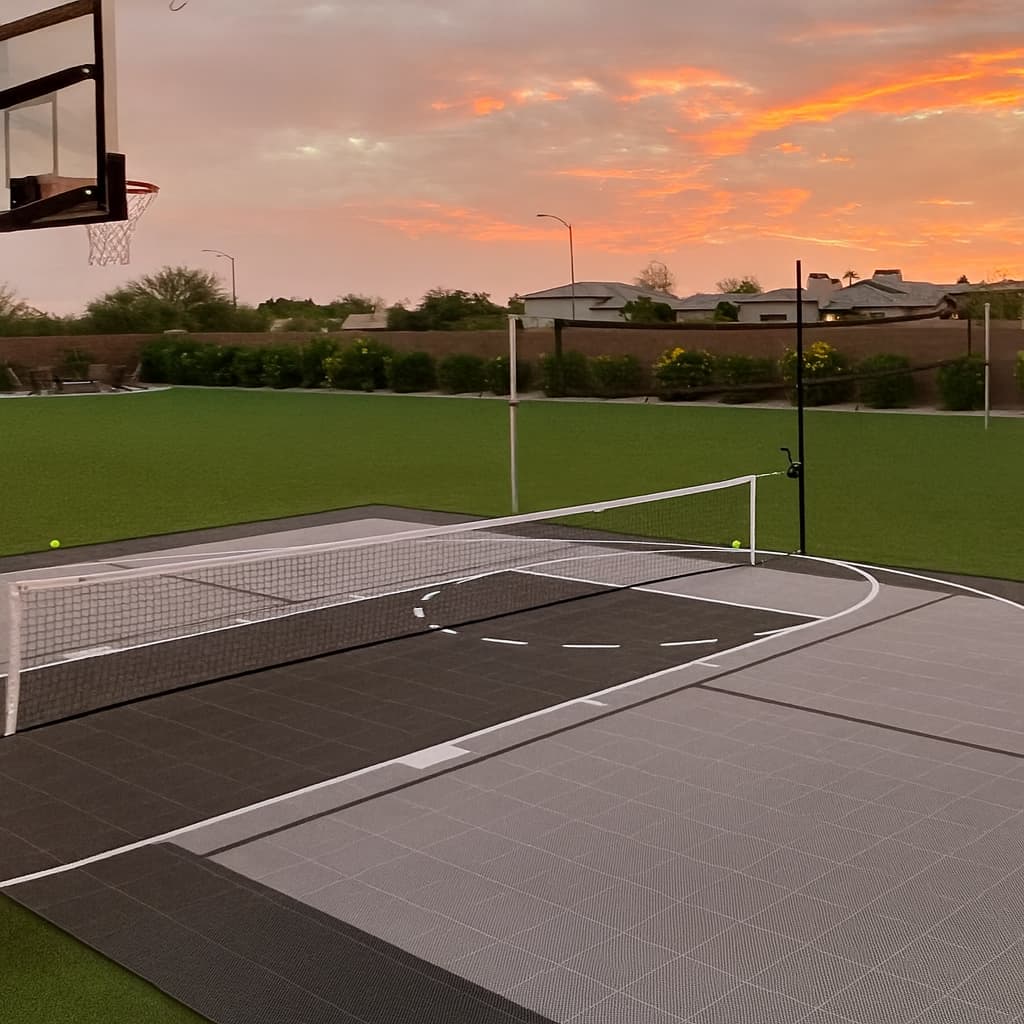
Two standout solutions leading this shift are PP interlocking sports tiles and PickleSand 3.5 Flooring Rolls.
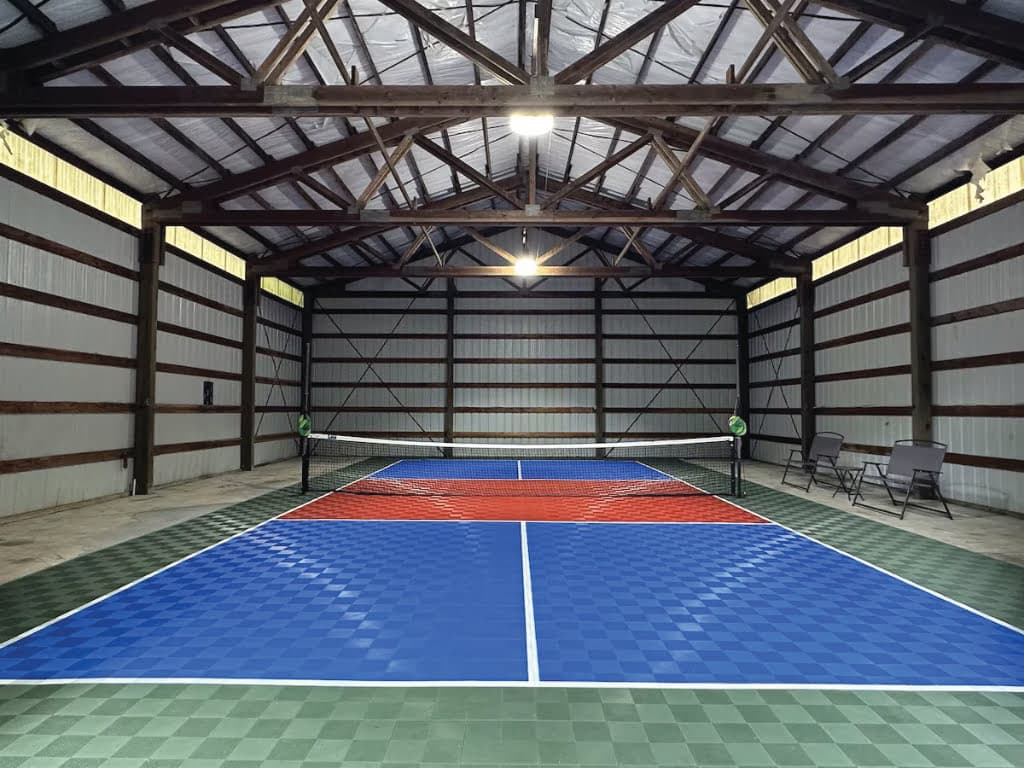
⭐ PP Sports Interlocking Tiles
A high-performance surface designed for pickleball and other court sports.
Benefits
-
Noise Reduction
Tiles absorb vibration, reducing “pop” noise significantly. -
Shock Absorption
Gentler on knees, ankles, and hips — ideal for NZ’s ageing population. -
Durability
UV-stable, weather-resistant, suitable for all NZ conditions. -
Safety
Better traction and reduced slip risk. -
Portable or Permanent
Can be installed permanently or moved as needed. -
Fast Installation
Ideal for clubs, schools, gyms, and community centres.
These tiles are increasingly used across NZ in schools, retirement villages, rest homes, community halls, and private homes.
⭐ PickleSand 3.5 Pickleball Flooring Roll
A revolutionary roll-out surface for both indoor and outdoor courts.
Benefits
-
Semi-Permanent or Fully Portable
Roll out to play; roll up to store. -
Noise Dampening
Reduces sound dramatically — perfect for indoor courts, bars, or suburban areas. -
Outdoor Friendly
Performs well in sun, rain, and coastal climates. -
Soft & Cushioned
Safer on joints, reduces fatigue, and helps prevent injuries. -
Ideal for Commercial Venues
Many bars and restaurants overseas use PickleSand to offer pickleball without permanent installation. -
Great for Events or Pop-Up Courts
Perfect for schools, councils, sports expos, and temporary tournaments.
PickleSand is increasingly chosen by hotels, resorts, event organisers, and homeowners who want a safe, quiet, flexible option.
The Future of Pickleball Worldwide — And in New Zealand
The sport is moving toward:
-
More dedicated indoor and outdoor courts
-
Higher-performing surfaces like tiles and cushioned rolls
-
Better court planning for sound control
-
Rapid expansion in schools and youth programs
-
Continued national growth in NZ’s cities and regions
Pickleball is no longer just a sport — it’s a social and recreational movement that continues to grow every year.