Description
Choosing the right backyard pool for 2026 is about more than just picking a size or chasing a bold design, it often depends on how you like to spend your time, what you can afford, and how soon you want to be swimming (which might be quicker than you think). Container pools, once seen as a novelty, are now appearing in neighborhoods everywhere, right alongside the classic in-ground styles. For some, fast installation is the main benefit; for others, it’s about keeping expenses in check.
Eco-friendly designs are getting a lot of attention, and sometimes sustainability matters more than looks, especially if lower utility bills and simpler upkeep sound good to you. This guide explores how container pools compare to traditional options, while also pointing to the backyard trends shaping 2026 in clear and exciting ways.
Why the Pool Debate Matters in 2026
In 2024, the U.S. had about 10.4 million residential pools. Most were in-ground, around 59%, while the other 41% were above-ground. Right now, modular and container pools are growing quickly within that above-ground group. They’re often much cheaper, can be installed in just weeks (or even faster if the spot is ready), and can look surprisingly sleek. With building costs still climbing and skilled crews hard to book, skipping months of loud construction, dust, and torn-up lawns feels like a big relief. Changing weather adds another factor, because these pools need little digging, it’s easier to shift designs to work with new climate patterns or higher flood risks.
|
Type
|
Average Cost
|
Installation Time
|
|---|---|---|
| In-ground | $66k, $90k+ | 2, 6 months |
| Container | $35k, $65k | Days |
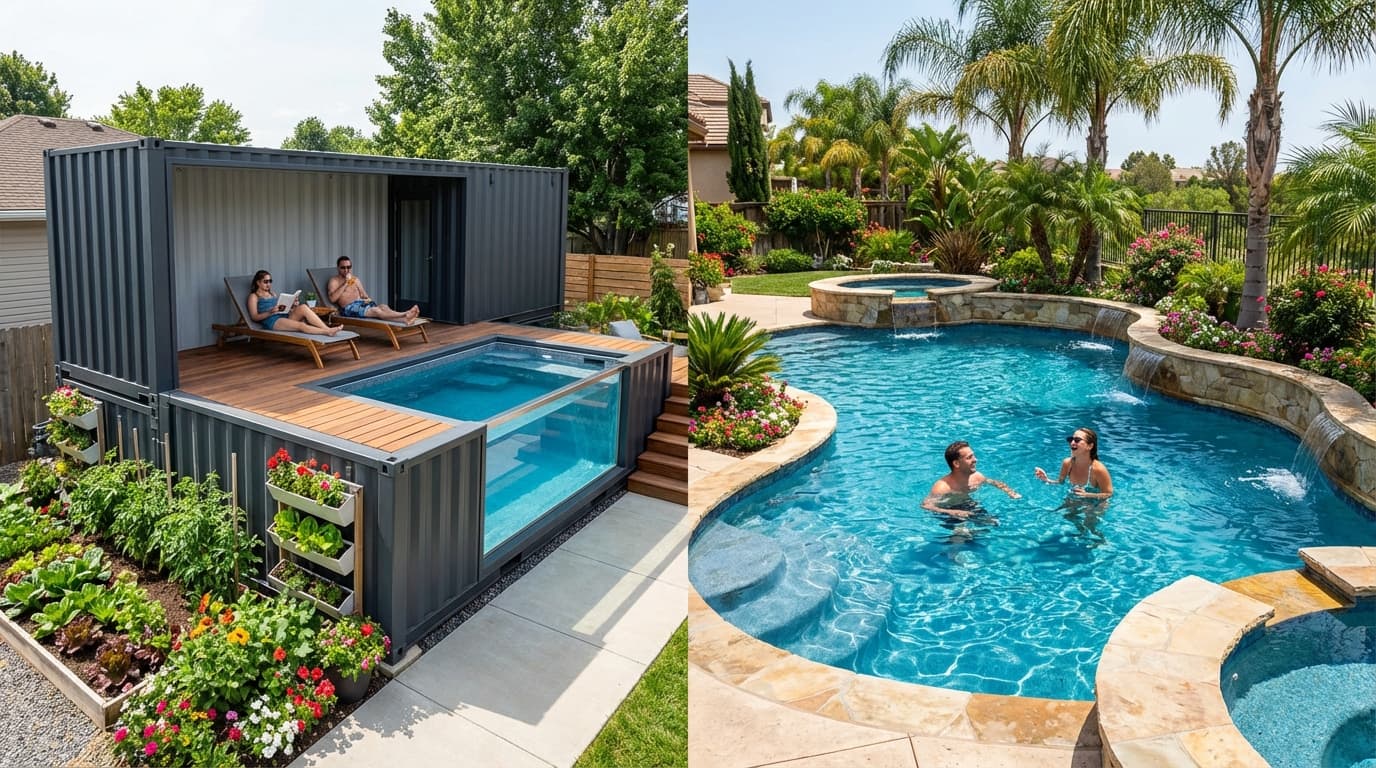
The numbers back it up: container pools can cost up to 60% less than traditional in-ground ones, while still offering years of swimming and relaxation. You can also upgrade or move them, great for younger owners who might not stay in one place forever.
Understanding Container Pools
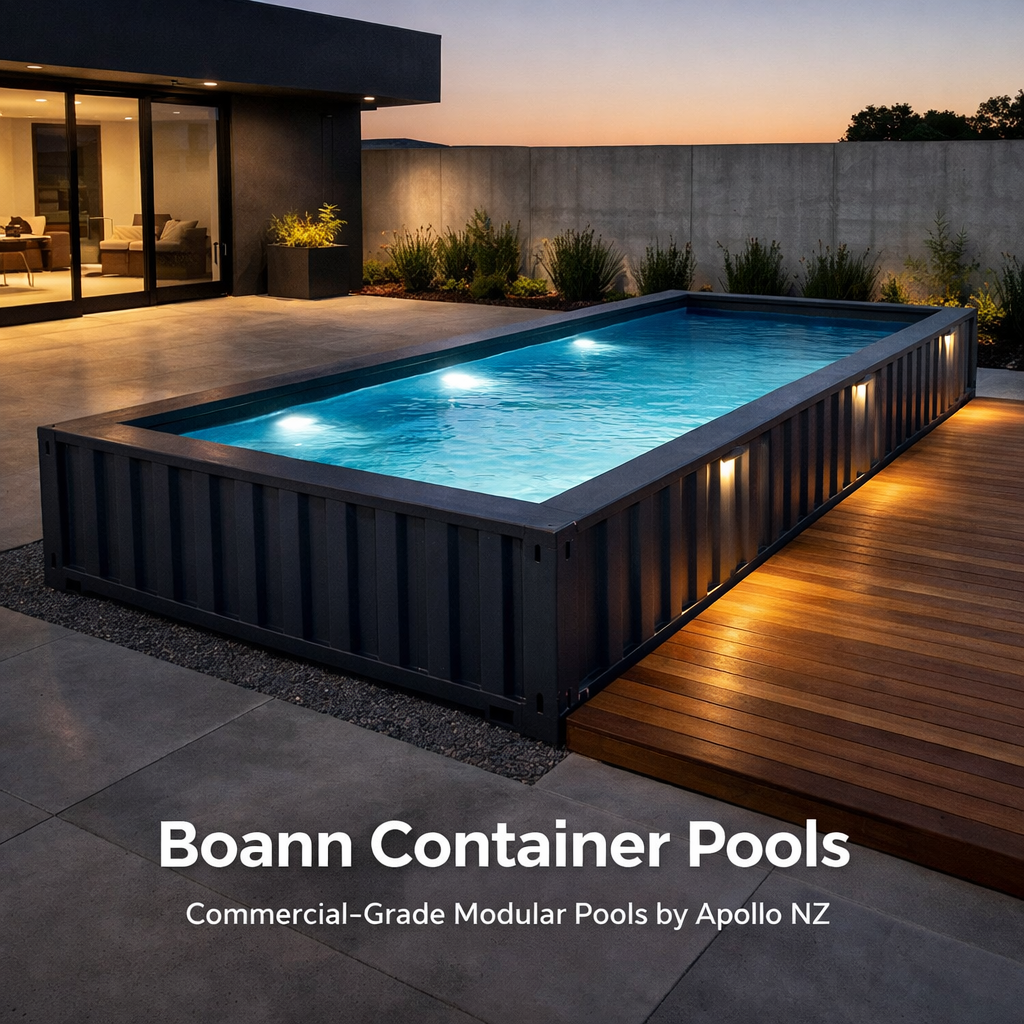
A plain shipping container can be turned into a cool place to swim and hang out. Builders usually add lining and insulation, put in heating and filtration systems, and sometimes fit glass panels or built‑in lights, details that can make evening swims feel extra nice. Since the design is modular, setup can be pretty fast; in some cases, you could be swimming within days of deciding to get one. Many come with extras like smart temperature controls, saltwater systems to cut down on chlorine, or finishes that make the industrial look feel warmer.
They work well in small or unusual yards, and people who move often can take them along. Reusing a container means less waste in landfills, which appeals to those who care about the environment. In crowded cities, they can be placed on rooftops or terraces, giving you a pool where a traditional build wouldn’t fit at all.
The Appeal of In-Ground Pools
For many homeowners, an in-ground pool can feel like the ultimate backyard upgrade, kind of like finally getting that dream kitchen you’ve always wanted. These pools are built to last for decades and can be shaped to fit exactly what you picture. Concrete works well if you’re aiming for more depth or a bigger footprint; fiberglass goes in quickly, feels smooth to the touch, and usually stays looking nice with little effort; vinyl lets you play with different shapes and offers a softer surface.
On average, an in-ground pool can boost your home’s value by around $36,700, which is a nice plus in most areas. You can design it to curve into a patio corner, stretch toward a garden path, or include extras like waterfalls, tanning shelves, swim-up bars, and built-in seating. That’s how you make your backyard feel like a personal getaway.
The flip side? Costs can rise fast, with builds taking months and yearly upkeep running $3,000, $6,000. The wow factor is big, but so is the commitment.
Key Trends Driving Choices in 2026
Right now, a few clear shifts are changing how people pick backyard pools, some are all about convenience, others about the lifestyle they want.
- Faster installation expectations: Waiting months for a pool doesn’t appeal to most, especially when summer’s already hot. Container pools can be swim‑ready in just a few days, great for enjoying a sudden warm spell or throwing a last‑minute barbecue. Plus, skipping weeks of noise, dust, and mess makes the whole thing much easier to handle.
- Eco‑conscious living: Using reclaimed shipping containers and energy‑saving gear is becoming more popular. Many buyers now check for things like LEED certification or recycled steel before deciding. It’s partly about reducing environmental impact, but also about having something you can proudly show to friends who care about eco‑friendly choices.
- Urban space efficiency: In small yards, compact modular designs are often the only option. Some even fit on rooftops, uncommon, but surprisingly workable when every bit of space matters in city life.
- Lower heating costs: These pools keep warmth better, losing only about 0.4, 0.6°F overnight compared to the 1.8, 2.2°F drop of concrete pools. Over a year, that difference can noticeably cut your energy bills.
|
Feature
|
Container Pool
|
In-ground Pool
|
|---|---|---|
| Heat retention overnight | 0.4, 0.6°F loss | 1.8, 2.2°F loss |
| Eco-friendly | High | Medium |
All these factors are helping modular pools gain attention in 2026. And with smart home tech now common, you can adjust lighting, change temperature, or start a cleaning cycle from your phone, turning upkeep into something quick and easy.
Design Flexibility and Aesthetics
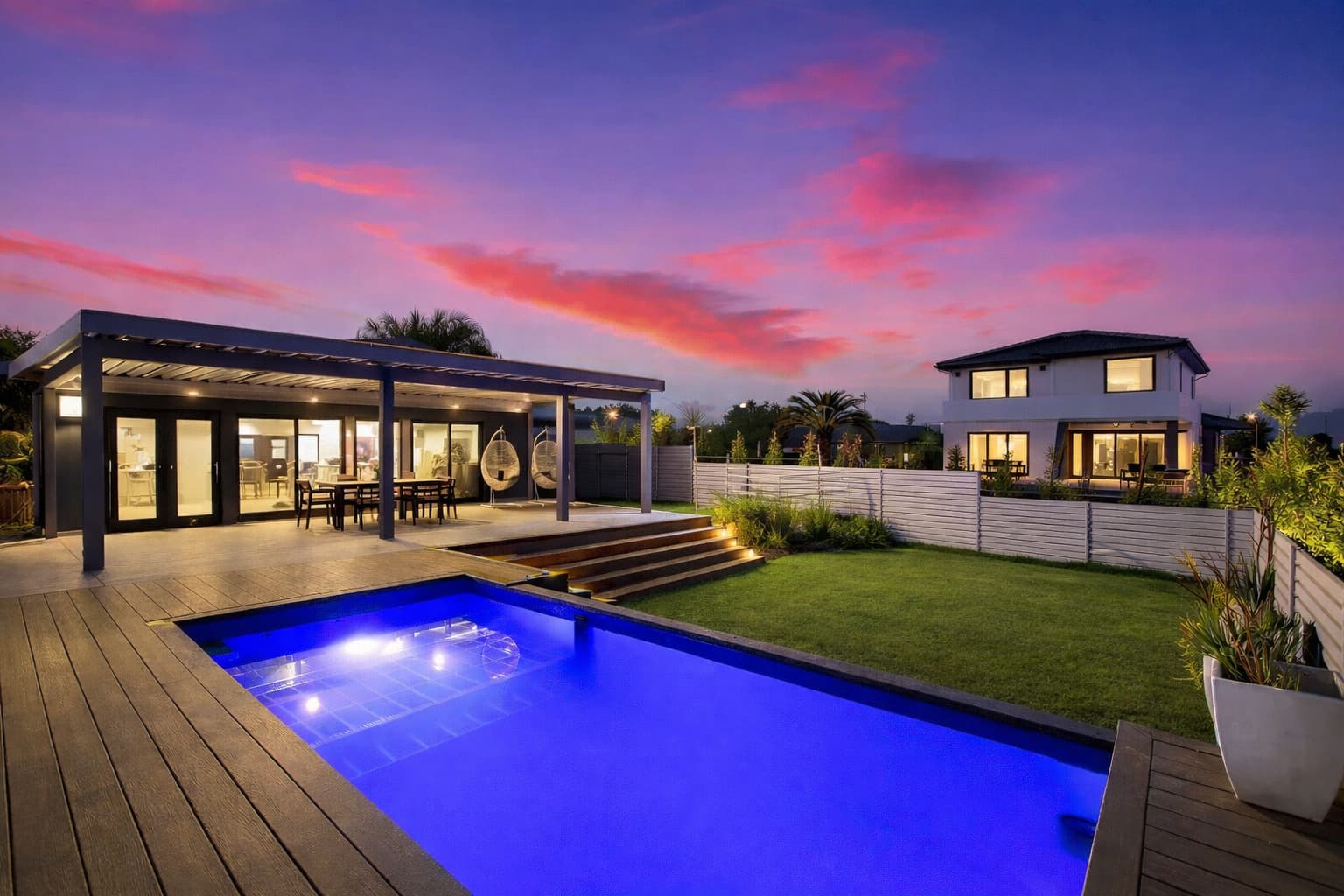
One of the biggest appeals of in-ground pools is how much creative freedom they offer. You can have infinity edges that seem to spill into a garden, built-in spas for slow, peaceful evenings, or waterfalls that bring the feel of a fancy resort right to your backyard. Many people add custom mosaic designs or soft, glowing underwater lights, making a night swim feel almost like a movie scene. Some go for automated covers, which not only keep debris out but also help with safety and can cut down on heating costs.
Container pools may not twist into endless shapes, but they still manage some eye-catching styles. Think glass panels that frame the water, bold lighting setups, raised decks, or paint colors that stand out from afar. They can even be moved if your plans change, a rare bonus. With well-placed plants, stone features, or timber decking, they can look surprisingly at home.
More makers are now mixing the two styles, setting container pools partly into the ground so they appear more permanent while keeping their easy-move design.
Future Outlook for Backyard Pools
Above-ground pools, especially the sleek container-style ones, are expected to grow by about $592.7M between 2024 and 2029, with yearly growth near 3.8%. A big push is coming from Millennials and Gen Z, who often prefer eco-friendly, space-saving designs over large luxury setups. Around 72% say they care more about green features than extras like fancy lighting or big decks, especially when those features make upkeep easier.
You’ll likely see more mix-and-match designs soon, combining quick modular builds with a custom look that fits your yard. Smart tech is set to make a difference, like controlling pool heat from your phone, having a robot clean up daily, or letting AI quietly monitor water quality so you don’t have to test it all the time.
Making Your Decision
Choosing between a container pool and an in-ground pool usually comes down to what matters most for your lifestyle and future plans.
- Budget: Container pools usually start out cheaper, though extras, like decking, heating, or fancy finishes, can quietly raise the total.
- Customization: In-ground pools often take the lead here, with almost endless shapes and styles, think mosaic tiles, glowing underwater lights, or even a cozy built-in spa corner.
- Speed: Container pools can be ready to swim in surprisingly fast, sometimes in under a week, while in-ground builds can stretch into several months.
- Eco-factor: Using old shipping containers reduces waste, and they often hold heat better, which can cut heating costs, especially on cool nights.
Think about how the pool will fit into your routine, lazy weekend lounging, fun family games, or peaceful evening laps. If you might move within 10 years, portability is a big plus; but if you’re settling in long-term, the solid feel and added home value of an in-ground pool can be a lasting benefit.
The Bottom Line
By 2026, backyard design isn’t just about picking a pool, it’s about creating a space that fits your lifestyle, reflects what matters to you (whether that’s hosting fun parties or enjoying peaceful mornings), and still stays within your budget. Container pools have gone from being a quirky idea to a favorite option for many, especially for folks who like quick installs and easy upkeep. In-ground pools still deliver that big “wow” factor and will probably keep that prestige for years to come. Modular setups, meanwhile, can bring unexpected benefits like flexible layouts, a smaller environmental impact, and creative designs you might not have thought of.
Planning ahead? It helps to jot down your must-haves, maybe heating, a shallow lounge area, or a stylish deck, alongside your budget and schedule. Portability and speed might win you over, or maybe you want a custom build built to last decades. The happiest choice is usually the one that makes you feel good every time you step outside.