Description
When specifying an outdoor structure in New Zealand, structural certification is no longer optional over 30m2 — it is a critical part of the building consent process.
One of the most important documents in this process is the PS1 Producer Statement – Design. Whether you are an architect designing a residential project, a builder preparing a consent application, or a homeowner investing in a permanent outdoor structure, understanding PS1 certification can save significant time, cost, and risk.
This guide explains what a PS1 is, why it matters, and how engineered louvre pergola systems — such as the Orion Aluminium Louvre supplied by Apollo NZ — are designed to meet New Zealand’s structural requirements.
What Is a PS1 Producer Statement?
A PS1 (Producer Statement – Design) is a formal engineering document issued by a qualified design professional confirming that a structure has been designed in accordance with the New Zealand Building Code.
It provides assurance that:
• The structure has been professionally engineered
• The design complies with NZ Building Code Clause B1 (Structure)
• Structural loads have been calculated
• Safety factors have been applied
• The design is supported by professional indemnity insurance
For councils, a PS1 significantly reduces uncertainty during consent review.
For property owners, it reduces structural risk.
For designers, it simplifies specification.
Why PS1 Certification Matters More Than Ever
New Zealand presents some of the most demanding environmental conditions in the world:
• High UV exposure
• Coastal salt air
• Cyclonic wind zones
• Snow-prone alpine regions
• Active seismic fault lines
Outdoor structures must perform under real structural stress, not theoretical conditions.
A pergola without engineering verification can create serious downstream issues:
• Consent delays
• Redesign costs
• Insurance complications
• Structural liability
• Installation risks
A PS1-backed system removes much of this uncertainty.
Structural Standards Behind a PS1
Engineering for outdoor structures typically references nationally recognised standards such as:
• AS/NZS 1170.2 — Wind Actions
• AS/NZS 1170.3 — Snow & Ice Actions
• NZS 1170.5 — Earthquake Actions
These standards ensure a structure is designed to resist:
• Wind uplift
• Lateral loads
• Snow accumulation
• Seismic movement
• Connection stress
• Foundation reactions
In short — real-world forces.
The Growing Shift Toward Engineered Outdoor Structures
Over the past decade, councils have become significantly more rigorous around structural verification.
At the same time, outdoor living has evolved from lightweight shade solutions into permanent architectural extensions of the home.
Modern pergolas now often include:
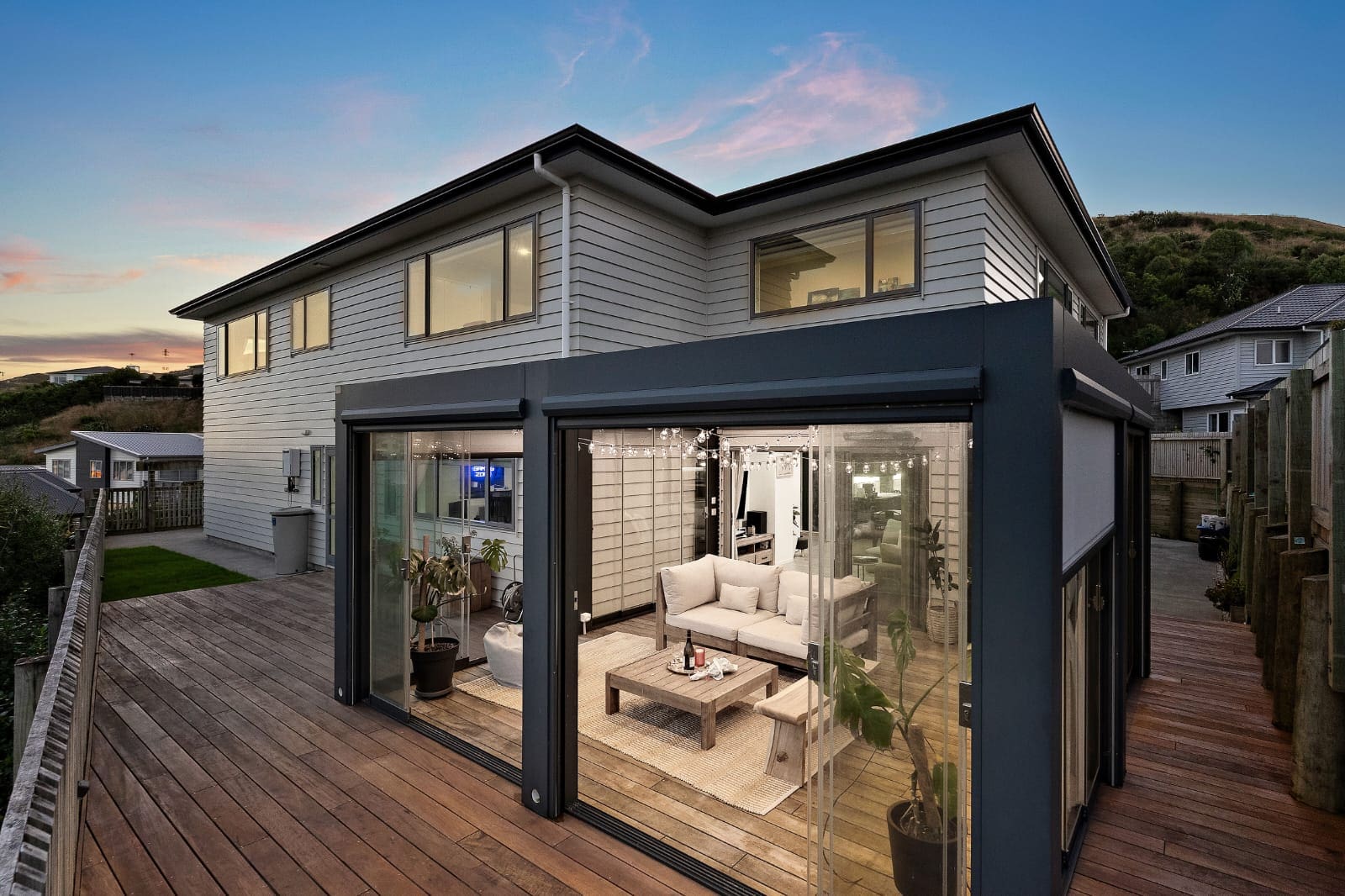
• Motorised louvres
• Integrated lighting
• Glass systems
• Outdoor kitchens
• Heating
• Smart automation
With increased weight and complexity comes increased engineering responsibility.
PS1 documentation is quickly becoming the expected standard — not the exception.
Example: A PS1-Backed Aluminium Louvre System
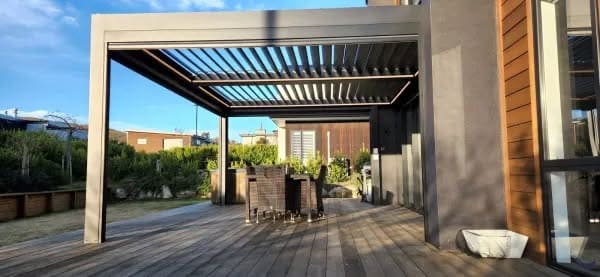
The Orion Aluminium Louvre Pergola System supplied by Apollo NZ is supported by a fully engineered PS1 Producer Statement – Design, verified by CPEng engineers and assessed for nationwide conditions.
Key Structural Parameters
| Specification | Detail |
|---|---|
| Structural Material | Aluminium Alloy 6005-T5 |
| Design Life | 25 Years |
| Importance Level | IL1 |
| Column Heights Tested | Up to 3.0m |
| Foundation Loads | Fully verified |
The system has been assessed for:
• Allowable stress
• Deflection
• Buckling
• Torsion
• Wind uplift
• Connection forces
This level of verification allows councils to assess the structure with confidence.
Where PS1-Certified Pergolas Are Commonly Used
Engineered pergolas are now widely specified across both residential and commercial environments:
• Architect-designed homes
• Coastal properties
• Hospitality terraces
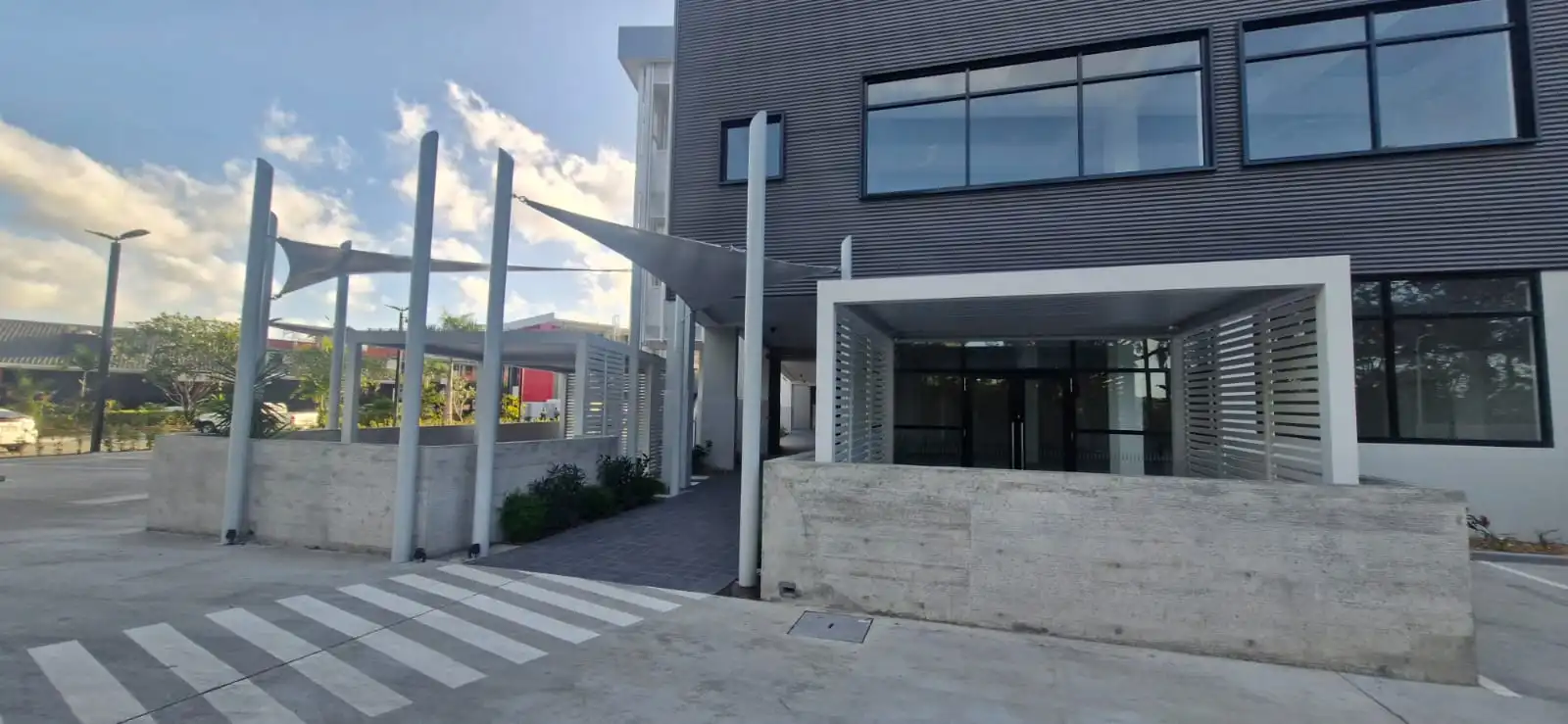
• Apartment developments
• Poolside structures
• Retail outdoor areas
• Mixed-use projects
As projects increase in value, so does the expectation of engineering.
Site Conditions Still Matter
Even with a generic PS1, every project must remain within defined parameters.
Typical limitations may include:
• Maximum elevation thresholds
• Wind zone restrictions
• Seismic hazard limits
• Snow drift exclusions
• Complex topography considerations
When projects fall outside these ranges, site-specific engineering can be commissioned.
This ensures structural safety is never compromised.
How a PS1 Helps Speed Up Building Consent
Councils are fundamentally risk managers.
When a structure arrives with verified engineering, it allows them to:
• Assess designs faster
• Reduce requests for additional information
• Minimise redesign cycles
• Approve with greater confidence
For builders and developers, this often translates to smoother project timelines.
Choosing a Supplier That Understands Engineering
Not all pergola suppliers operate at the same level.
When evaluating a system, consider whether the supplier understands:
• NZ load requirements
• Consent expectations
• Engineering documentation
• Structural responsibilities
• Professional accountability
Engineering should never be an afterthought.
It should be built into the system from the beginning.
The Future of Outdoor Structures in New Zealand
The industry is clearly moving toward:
• engineered systems
• documented compliance
• architectural integration
• higher structural expectations
As homes become more sophisticated, outdoor structures must follow the same trajectory.
PS1-backed pergolas represent that evolution.
Final Thoughts: Engineering Creates Confidence
A PS1 Producer Statement is more than paperwork — it is structural assurance.
It signals that a pergola has been designed for real environmental forces and aligned with national safety standards.
For architects, it simplifies specification.
For builders, it reduces risk.
For homeowners, it provides peace of mind.
And for councils, it enables confident approvals.
As outdoor living continues to expand across New Zealand, engineered systems are no longer a luxury — they are rapidly becoming the professional standard.