A well-designed decor pergola serves as the centerpiece of outdoor living, blending architectural elegance with practical functionality. Whether you're creating an intimate dining area, a relaxation zone, or an entertainment hub, the right decorative approach transforms a simple structure into a sophisticated extension of your home. Understanding how to maximize both aesthetic appeal and functional value ensures your outdoor investment delivers year-round satisfaction and creates memorable spaces for clients seeking premium design solutions.
Understanding the Foundation of Decor Pergola Design
The success of any decor pergola project begins with understanding the structural framework and how decorative elements interact with the base architecture. Modern pergola designs offer unprecedented flexibility, allowing wholesale clients and design professionals to customize spaces according to specific client needs and environmental conditions.
Key structural considerations include:
- Louvre orientation and spacing for optimal light control
- Material selection for climate durability
- Integration points for electrical and irrigation systems
- Load-bearing capacity for hanging elements
The relationship between structure and decoration creates the overall impact. A pergola with adjustable louvres provides dynamic shading capabilities while offering mounting points for various decorative features. This dual functionality makes such systems particularly valuable in commercial applications where versatility matters most.
Material Choices That Enhance Decorative Potential
Selecting the right base materials influences every subsequent design decision. Aluminum pergolas offer powder-coated finishes in various colors, creating cohesive palettes that complement surrounding architecture. The material's inherent strength allows for thinner profiles and cleaner lines, which modern aesthetics demand.
Wood pergolas provide warmth and natural texture, though they require more maintenance and careful treatment selection. Cedar and redwood offer natural rot resistance, while pressure-treated lumber delivers economy with proper finishing. Each material choice affects how decorative elements integrate and how the overall space evolves over time.
| Material Type | Maintenance Level | Decorative Flexibility | Climate Suitability |
|---|---|---|---|
| Aluminum | Low | High | All climates |
| Cedar | Moderate | High | Dry to moderate |
| Pressure-Treated | Moderate-High | Moderate | All climates |
| Composite | Low | Moderate | All climates |
Lighting Solutions That Define Ambiance
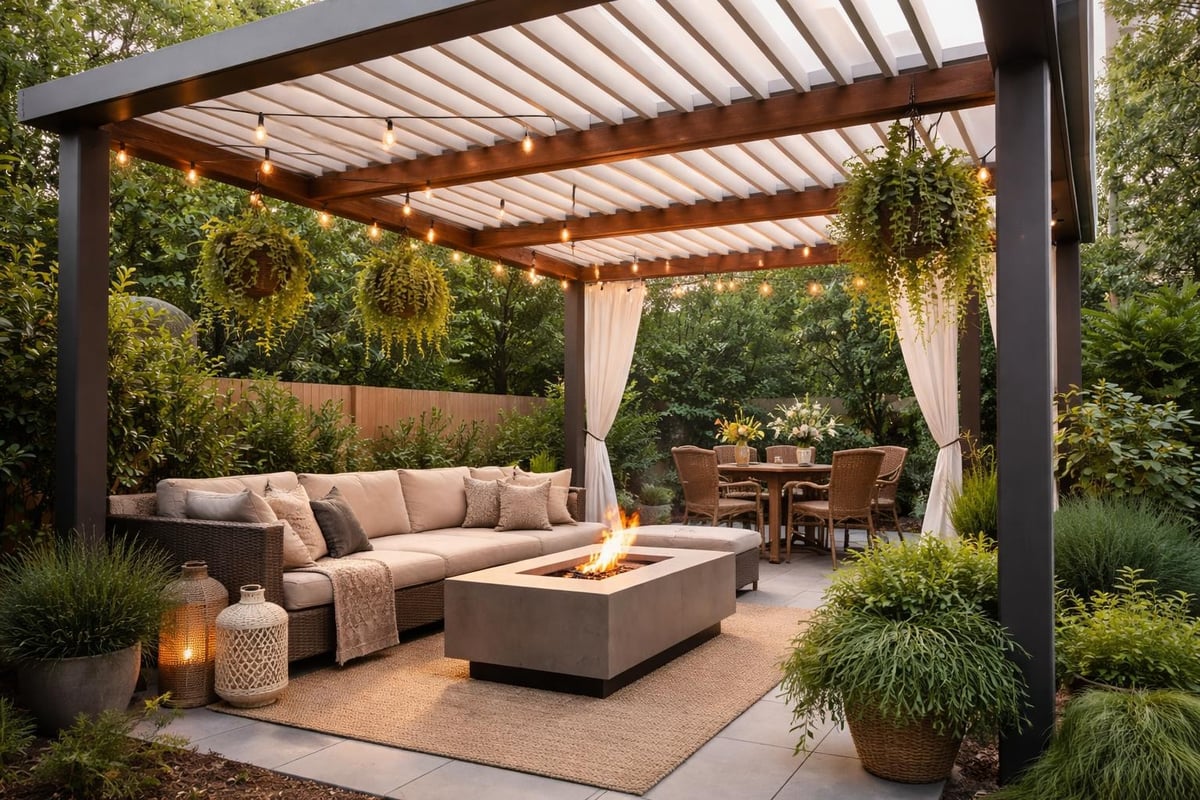
Strategic lighting transforms a decor pergola from a daytime structure into an evening destination. The layering of different light sources creates depth, highlights architectural features, and establishes mood according to intended use. Professional installations combine ambient, task, and accent lighting for maximum impact.
String lights remain popular for their versatility and warm glow. Installing them in geometric patterns across the pergola ceiling creates visual interest while providing functional illumination. As highlighted in creative pergola decoration guides, varying the hanging height and density of string lights produces different atmospheric effects.
Integrated Lighting Systems
Built-in LED strips along beams and louvres offer clean aesthetics without visible fixtures. These systems integrate during construction, hiding wiring within structural elements for professional results. Dimmable controls allow adjustment from bright task lighting for dining to subtle accent lighting for relaxation.
Downlighting from pergola beams illuminates specific areas below while creating dramatic shadow patterns through the louvre structure. This approach works particularly well for outdoor kitchens and dining areas where adequate visibility matters for food preparation and service.
Effective lighting strategies include:
- Install dimmable systems for versatility
- Use warm color temperatures (2700K-3000K) for residential applications
- Position lights to highlight plants and architectural details
- Include separate circuits for different lighting zones
- Consider solar options for eco-conscious clients
Uplighting plants and architectural features adds another dimension to nighttime aesthetics. Ground-level fixtures directed toward climbing vines or container plants create living art installations that evolve as vegetation grows.
Textile Elements for Comfort and Style
Outdoor fabrics add softness, color, and functional privacy to a decor pergola. Modern performance textiles withstand UV exposure, moisture, and temperature fluctuations while maintaining their appearance. These materials enable design flexibility previously unavailable in outdoor applications.
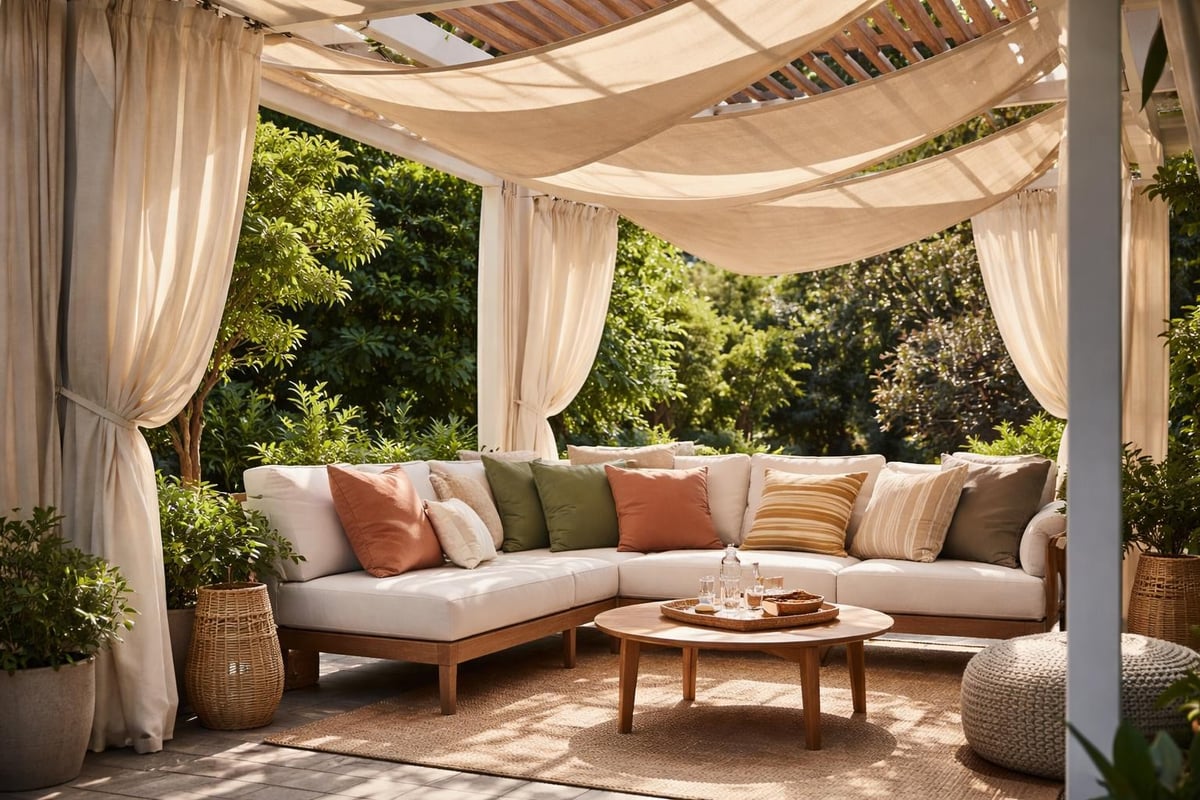
Retractable shade sails or fixed canopy panels control sunlight penetration while adding visual interest. Installing them at varying heights creates dimensional effects and defines separate functional zones within larger pergola structures. Neutral tones provide timeless elegance, while bold colors make deliberate design statements.
Outdoor curtains offer adjustable privacy and weather protection. Mounting them on tracks or tension rods allows quick deployment when needed and storage when full openness is preferred. Sheer fabrics filter light beautifully while maintaining views, whereas heavier materials provide complete privacy and wind protection.
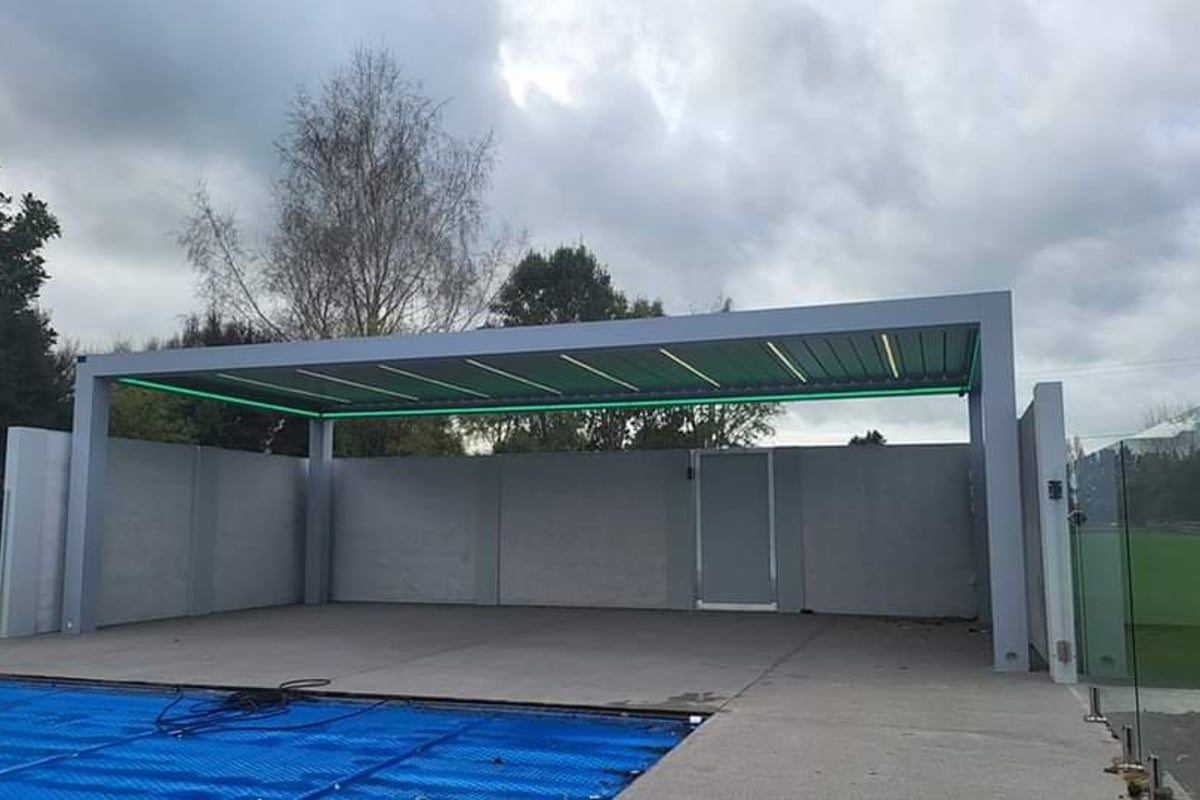
For projects requiring superior environmental control, made to measure louvre roof systems provide adjustable weather protection while maintaining clean architectural lines. These engineered solutions offer precision control over light, airflow, and rain protection, surpassing traditional fabric approaches in durability and functionality.
Cushions and Upholstery Selection
Outdoor furniture cushions extend the comfort factor while introducing patterns and textures. High-density foam cores resist compression and maintain shape through seasons of use. Removable covers simplify cleaning and allow seasonal palette changes without replacing entire cushion sets.
Mixing solid colors with patterns creates visual interest without overwhelming the space. A general rule suggests using 60% neutral tones, 30% secondary colors, and 10% accent shades. This proportion maintains cohesion while allowing personality to shine through accessory choices.
Vertical Greenery and Climbing Plants
Living elements soften hard architectural lines and integrate pergolas into their surroundings. Climbing plants provide natural shade, fragrance, and seasonal interest while creating privacy screens. The choice of vegetation affects maintenance requirements and long-term aesthetic evolution.
Fast-growing vines like wisteria and climbing roses deliver dramatic impact but require regular pruning to prevent overwhelming the structure. These species work well for clients wanting established looks quickly. Slower-growing options like clematis and climbing hydrangeas offer more controlled growth and extended bloom periods.
Top performing pergola plants:
- Wisteria (zones 5-9): Dramatic purple blooms, vigorous growth
- Climbing roses (zones 4-11): Fragrant flowers, classic appeal
- Jasmine (zones 7-10): Evening fragrance, evergreen options
- Clematis (zones 4-9): Large flowers, moderate growth rate
- Grapevines (zones 4-10): Edible fruit, beautiful fall color
Training plants along specific beams and cables directs growth patterns and maintains sight lines. Installing tension wire systems creates invisible support structures that guide vegetation while remaining discreet. Regular training sessions during active growth ensure plants develop according to design intentions.
Celebrity designers have embraced pergolas as signature outdoor elements. Martha Stewart's pergola restoration project demonstrates how combining structural elegance with lush planting creates enchanting garden features that age gracefully.
Furniture Arrangement and Spatial Planning
Strategic furniture placement maximizes usable space while creating natural traffic flow. The decor pergola functions as an outdoor room, requiring the same thoughtful planning interior spaces receive. Scale, proportion, and purpose drive every furniture decision.
Dining configurations typically center tables beneath the pergola center, ensuring even shade distribution across seating positions. This arrangement works best when the pergola dimensions provide at least three feet of clearance around the table, allowing comfortable chair movement and service access.
Conversation areas benefit from U-shaped or L-shaped seating arrangements that encourage interaction. Anchoring these layouts with outdoor rugs defines the space visually while adding comfort underfoot. Weather-resistant area rugs in natural fibers or performance synthetics tie color schemes together and reduce visual harshness of paving materials.
Multi-Functional Space Design
Incorporating flexibility allows spaces to serve various functions throughout days and seasons. Modular furniture systems reconfigure easily, transforming dining areas into lounge spaces. Nesting tables and stackable seating store compactly when not needed, maximizing open floor space.
Storage solutions integrated into bench seating or dedicated outdoor cabinets keep cushions, throws, and accessories protected yet accessible. This practical consideration matters particularly in climates with variable weather patterns where quick furniture protection becomes necessary.
| Zone Type | Furniture Pieces | Clearance Needed | Primary Function |
|---|---|---|---|
| Dining | Table, 4-8 chairs | 36-42 inches | Meals, gatherings |
| Lounge | Sofa, chairs, coffee table | 18-24 inches | Relaxation, conversation |
| Cooking | Grill, prep surface, storage | 48 inches | Food preparation |
| Bar | High table, bar stools | 24 inches | Drinks, casual dining |
Seasonal Decoration Strategies
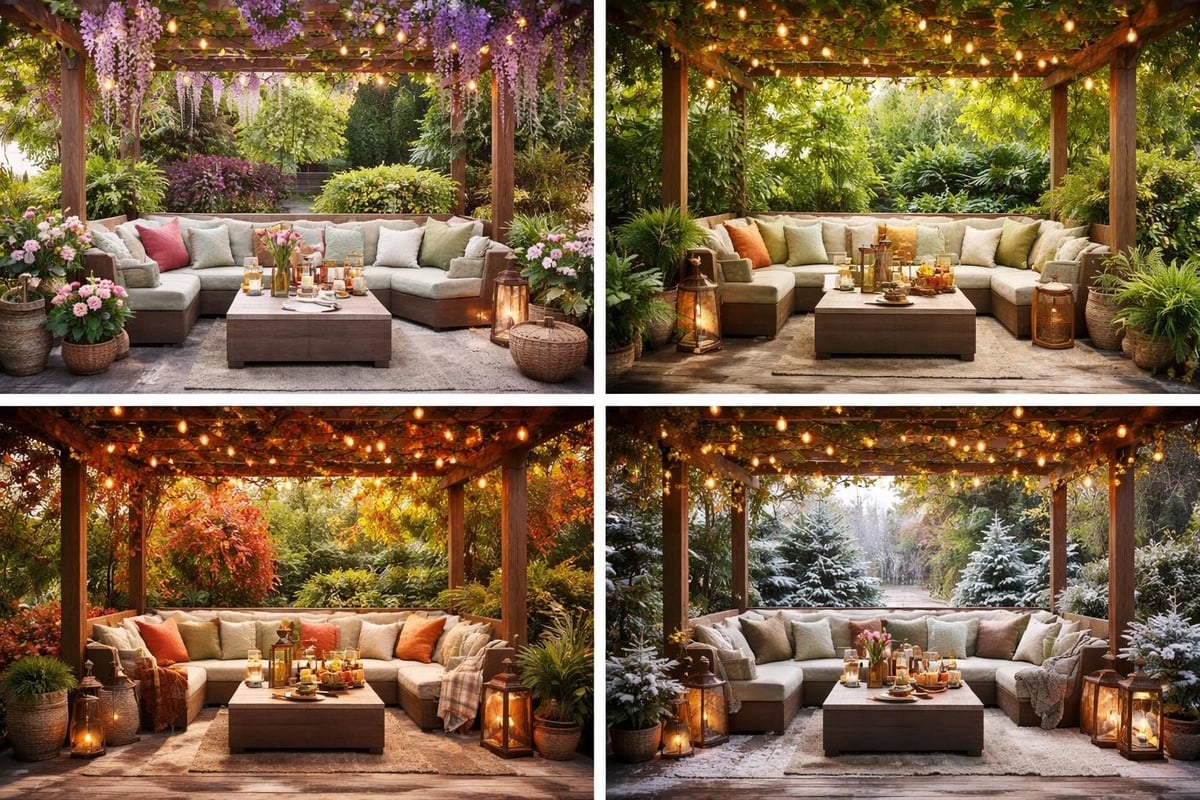
Rotating decorative elements maintains visual freshness and celebrates changing seasons. This approach allows budget-conscious updates that deliver significant impact without major investment. Seasonal adjustments also respond to changing functional needs as weather and usage patterns shift.
Spring introductions focus on fresh colors and emerging plants. Pastels in cushions and accessories reflect blooming gardens, while container plantings add spots of vibrant color. This season emphasizes renewal and lightness after winter dormancy.
Summer decorations embrace bold colors and tropical influences. Vibrant cushions, colorful tableware, and lush foliage create vacation-like atmospheres. This peak-use season benefits from durable decorations that withstand frequent entertaining and weather exposure.
Fall transitions bring warm earth tones and cozy textures. Blankets, throw pillows in rust and gold hues, and decorative gourds create harvest aesthetics. As highlighted in concepts similar to Selena Gomez's holiday trellis approach, strategic greenery and festive touches transform outdoor structures into year-round destinations.
Winter decorations vary by climate but often incorporate evergreen elements, subtle lighting, and weather protection. In mild climates, pergolas remain active entertainment spaces with added heating elements. Cold-climate applications focus on visual interest from indoor viewing perspectives.
Accessories That Complete the Vision
Thoughtful accessories personalize spaces and reflect individual style preferences. These finishing touches distinguish generic outdoor areas from thoughtfully curated environments. The key lies in selection restraint, choosing pieces that serve purposes beyond pure decoration.
Outdoor artwork brings gallery aesthetics to exterior spaces. Weather-resistant sculptures, metal wall art, and ceramic pieces withstand environmental exposure while adding cultural sophistication. Positioning these elements where they catch natural light creates dynamic displays that change throughout days.
Planters in varying heights and materials add vertical interest and flexibility. Large statement containers anchor corners and entrances, while smaller grouped pots create vignettes on tables and ledges. Consistent color palettes across container selections maintain visual cohesion even when plant varieties change.
Essential accessory categories:
- Weather-resistant throw pillows in complementary patterns
- Outdoor rugs defining functional zones
- Decorative lanterns and candle holders
- Serving pieces and entertaining essentials
- Planters in coordinating finishes
Fire features extend usable seasons and create natural gathering focal points. Fire pits, tabletop fire bowls, and outdoor fireplaces provide warmth and ambiance while encouraging longer outdoor sessions. These elements require proper clearances from overhead structures and combustible materials, making professional planning essential.
Professional Installation Considerations
Successful decor pergola projects balance design aspirations with structural realities. Professional installation ensures safety, longevity, and proper function of both structural and decorative elements. Understanding installation sequences prevents costly mistakes and rework.
Electrical planning happens during initial construction phases, with conduit and junction boxes positioned before final finishes. This forward thinking enables future additions without destructive modifications. Separate circuits for lighting, fans, and specialty features prevent overloading and allow independent control.
Structural attachments require proper fastener selection and load calculations. Hanging planters, lighting fixtures, and shade sails create dynamic loads that structures must accommodate safely. Professional installers calculate these forces and specify appropriate mounting hardware.
Coordination between trades becomes critical in complex projects. Electricians, irrigation specialists, and finish carpenters work in sequence to complete integrated systems. Clear communication and detailed plans prevent conflicts and ensure smooth project progression.
Exploring contemporary pergola design approaches reveals how professional designers integrate multiple systems seamlessly. These case studies demonstrate the value of comprehensive planning and expert execution in achieving refined results.
Maintenance Planning for Long-Term Beauty
Establishing maintenance routines preserves both structural integrity and decorative appeal. Different materials and elements require specific care approaches, though most modern systems minimize ongoing demands. Creating maintenance schedules ensures nothing gets overlooked as seasons progress.
Aluminum structures need minimal attention beyond periodic washing to remove accumulated dirt and pollen. Annual inspections check fastener tightness and moving parts function. These simple tasks prevent minor issues from becoming major problems.
Fabric elements require regular cleaning according to manufacturer specifications. Most performance fabrics tolerate machine washing or pressure washing, though specific care instructions vary. Storing removable textiles during harsh weather extends their service life significantly.
Plant maintenance varies by species but generally includes pruning, fertilizing, and pest management. Training climbing plants directs growth and prevents damage to structures. Seasonal cutbacks maintain desired shapes and encourage healthy development.
- Monthly tasks: Clean surfaces, check irrigation systems, deadhead flowers
- Quarterly tasks: Deep clean fabrics, inspect structural connections, fertilize plants
- Annual tasks: Refinish wood elements if needed, service mechanical systems, evaluate replacement needs
- Seasonal tasks: Store off-season items, adjust plant coverage, update decorative elements
The range of available products for pergola projects continues expanding, offering solutions for every design challenge and maintenance preference. Selecting systems engineered for minimal upkeep ensures long-term satisfaction without excessive time investment.
Creating a stunning decor pergola involves balancing structural planning with creative design choices that reflect personal style while meeting functional requirements. By thoughtfully integrating lighting, textiles, plants, and accessories, outdoor spaces transform into sophisticated extensions of interior living areas that serve year-round purposes. Whether you're designing intimate residential retreats or expansive commercial installations, Apollo NZ provides the wholesale design solutions and premium products needed to bring your vision to life with professional quality and competitive pricing.
Article written using RankPill.