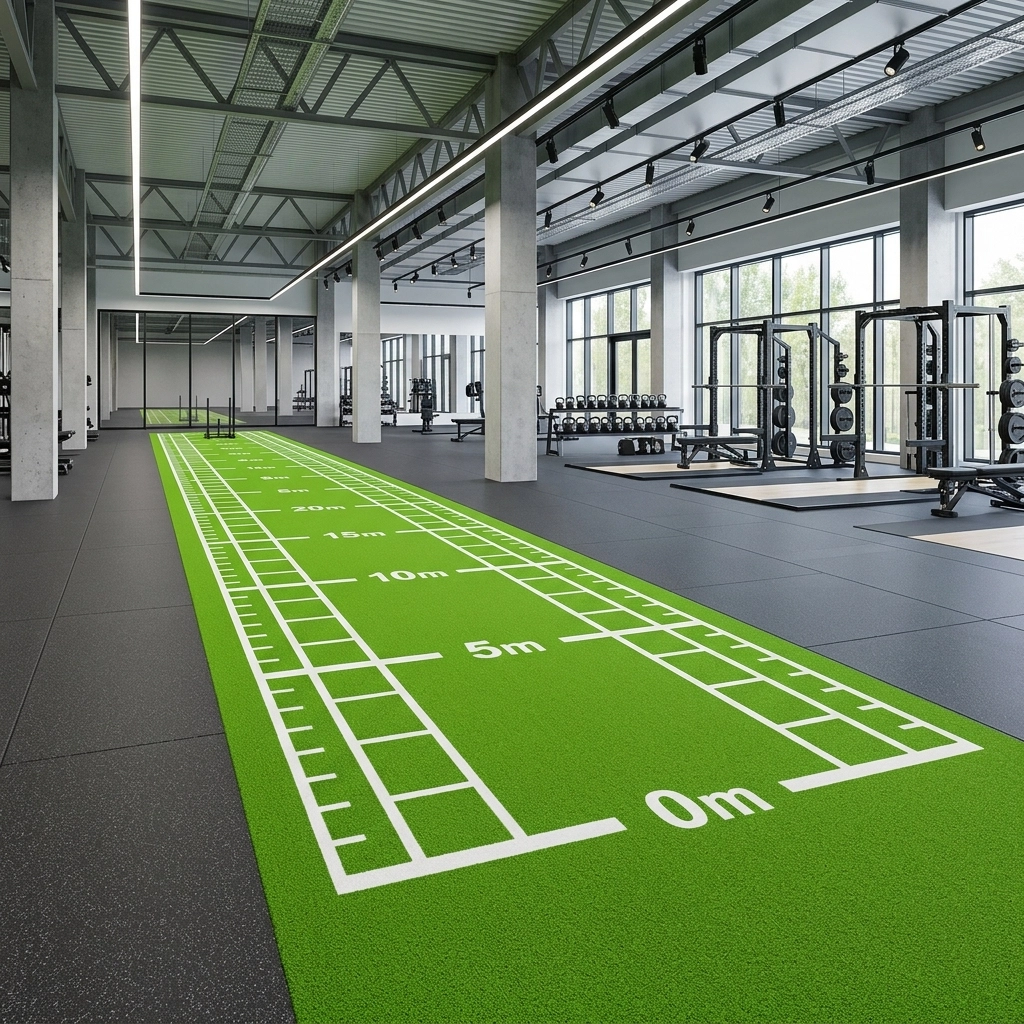
Green Turf: The Standard for Modern Functional Gym Design

April 27, 2026
Spread the love

The landscape of fitness facility design has shifted dramatically over the last decade. Gone are the days when a gym was merely a collection of heavy iron machines bolted to a concrete floor. Today, the focus is on functional movement, agility, and versatility. Central to this design evolution is a specific aesthetic and functional choice that has become the industry standard: Green Gym Turf.

Whether you are designing a high-end commercial facility or a boutique home studio, understanding why green turf is the preferred finish: and how to implement it correctly: is essential for creating a space that performs as well as it looks.

The Visual Power of Contrast

One of the most immediate reasons for the popularity of green turf is the visual impact. Most commercial gyms utilize black rubber flooring as their primary surface because it is durable, noise-dampening, and hides scuffs well. However, an entire room of black rubber can feel dark, heavy, and uninspiring.

Introducing a lane or zone of vibrant green turf creates a striking contrast. This isn't just about looks; it serves several practical psychological and navigational purposes:

  • Zoning and Wayfinding: The color change clearly defines different areas of the gym without the need for walls or barriers. Members instantly know that the "green zone" is for movement, while the "black zone" is for static lifting.
  • Energy and Biophilia: Green is often associated with the outdoors and vitality. Incorporating "natural" colors indoors: a concept known as biophilic design: has been shown to improve mood and focus, making the training environment feel less like a basement and more like an athletic field.
  • High Visibility: For high-speed movements or sled work, having a clear, bright path helps athletes maintain their line and stay aware of their boundaries.
Modern rooftop outdoor gym space with synthetic turf lanes

High-Performance Use Cases

Green turf isn't just a "pretty" addition; it is a high-performance tool tailored for specific athletic demands. If your facility focuses on any of the following, a turf installation is almost mandatory:

1. Functional Fitness and CrossFit Boxes

In environments where athletes transition rapidly between Olympic lifting, gymnastics, and metabolic conditioning, turf provides the necessary "forgiveness." It offers a softer landing for high-repetition movements like burpees or lunges compared to standard rubber tiles.

2. Rugby and Football Training Centres

Professional sports facilities use turf to mimic the feel of a natural pitch. It allows athletes to wear cleats or specialized footwear to practice acceleration, deceleration, and lateral agility drills in an environment that translates directly to their game-day performance.

3. Personal Training (PT) Studios

In a PT setting, space is often at a premium. A dedicated turf lane allows a trainer to guide clients through a variety of movements: from crawling and stretching to weighted carries: on a single, comfortable surface.

4. Schools and Strength & Conditioning (S&C) Facilities

Educational facilities prioritize safety and durability. High-density gym turf can withstand the heavy foot traffic of dozens of students while providing a non-slip surface that reduces the risk of friction burns during falls or floor-based exercises.

5. Premium Home Gyms

For the home gym enthusiast, a turf section transforms a garage or spare room into a professional-grade training center. It provides a dedicated space for stretching and core work that feels significantly more "finished" than a standard rubber mat.

Green synthetic gym turf lane next to charcoal rubber flooring in a modern functional fitness facility.

Layout Strategy: The Mixed-Surface Approach

The most successful modern gyms don't choose between rubber and turf; they combine them. A mixed-surface setup improves performance, protects your equipment, and optimizes the flow of the room.

When planning your layout, consider the "Zoning Method":

  • The Power Zone (Rubber Tiles): Use heavy-duty rubber tiles (typically 15mm to 30mm thick) for weightlifting areas. This protects the subfloor from dropped barbells and provides a stable, non-slip base for heavy squats and pulls.
  • The Cardio Zone (Rubber Rolls): For areas with treadmills, Skiergs, and bikes, thinner rubber rolls are sufficient and cost-effective.
  • The Movement Zone (Green Turf): This is your lane for sled pushes, sprints, and dynamic warm-ups.
  • The Recovery Zone (Turf or Soft Matting): Many facilities use a corner of the turf area for post-workout stretching and mobility work.

Pro Tip: When installing turf next to rubber tiles, ensure the "pile height" of the turf plus its underlay matches the thickness of your rubber tiles. This creates a seamless transition, eliminating trip hazards and allowing equipment to be rolled easily across the floor.

Performance Benefits: Why Turf Wins

Why not just do sled pushes on rubber? While it is possible, it is far from ideal. Friction management is the key differentiator here.

  • Sled Work: Sleds are designed to slide. On rubber flooring, the friction is often too high, causing the sled to "chatter" or jump, which can damage both the sled and the floor. High-quality synthetic turf provides the perfect level of resistance, allowing for a smooth, consistent push or pull.
  • Joint Health: Turf typically has a built-in cushion or can be installed with a shock-absorbing underlay. This is much kinder on the knees and ankles during plyometric drills (box jumps, bounds) and sprints.
  • Floor-Based Movement: Movements like bear crawls, mountain climbers, and planks are significantly more comfortable on turf. It eliminates the "tackiness" of rubber that can pull at the skin or clothing.
Large commercial fitness rig featuring modular black metal frames and turf context

Technical Specifications: What to Look For

Not all turf is created equal. When selecting turf for a functional gym environment, you must look past the color and evaluate the technical specs.

  • Material: Look for Polyethylene (PE) or Polypropylene (PP). These materials are durable and resistant to the "flattening" that occurs with heavy use.
  • Pile Height: For gym use, a short, dense pile (usually 10mm to 15mm) is superior. Long "landscaping" grass is too soft and will cause sleds to bog down.
  • Stitch Rate: A higher stitch rate means more "blades" of grass per square meter. This equates to better durability and a more consistent feel underfoot.
  • UV Stabilization: Even for indoor gyms, UV stabilization is important if the area is near large windows or glass doors to prevent the green from fading over time.
Close-up of a weighted gym sled on dense green synthetic turf fibers for high-performance training.

Maintenance and Longevity

One common misconception is that gym turf is hard to clean. In reality, modern synthetic turf is designed for low maintenance.

  1. Vacuuming: Regular vacuuming with a standard commercial vacuum cleaner will remove dust and chalk.
  2. Spot Cleaning: For spills, a simple mixture of warm water and mild detergent is usually all that is required.
  3. Brushing: In high-traffic areas (like the start of a sled lane), the pile may eventually flatten. Using a stiff-bristled brush to "rake" the turf will stand the fibers back up and refresh the look.

The Key Takeaways

Integrating green turf into your gym design is a strategic move that pays dividends in both aesthetics and functionality. By focusing on the following, you ensure a professional result:

  • Use Contrast: Use the green-on-black aesthetic to define work zones and boost the energy of the space.
  • Prioritize Performance: Reserve turf for sled work, sprints, and mobility to take advantage of its unique friction and cushioning properties.
  • Plan the Transition: Ensure your turf and rubber flooring meet at a flush height to maintain safety and equipment mobility.
  • Select Quality Specs: Choose a short-pile, high-density turf that can withstand the rigors of commercial training.

By following these principles, you create a training environment that doesn't just look like a modern "standard"( it performs like one.)

Return to insights

Charities We Support

cart
Equipment transport, power only, driveaway, farm equipment transport, car shipping company, trailer transport . heavy equipment transport riverside ca. Fishing boat transport.