
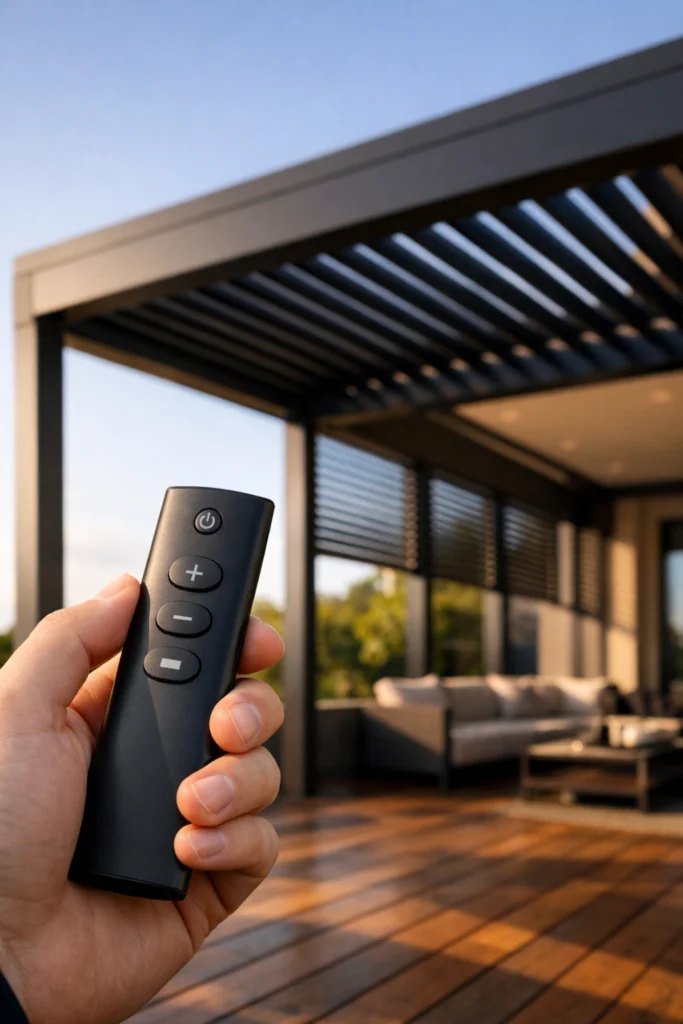
Let’s be honest: nobody wants a workout every time the weather changes over the deck. For years, though, outdoor louvre systems in the DIY market were defined by manual operation. If the sun shifted, the wind picked up, or rain rolled in, someone had to grab the crank handle and make the adjustment.
That setup made sense for a long time. Manual systems were simple, familiar, and relatively easy to understand. But the wider outdoor shading industry has changed quickly, especially as homeowners have started expecting the same convenience outdoors that they already have inside the home.
It’s 2026. People automate lighting, heating, garage doors, irrigation, and security. In that context, manually winding an overhead shading system now feels like old tech.
That’s why motorised louvre systems are increasingly viewed as the modern DIY standard. This shift is less about luxury and more about how outdoor spaces are now expected to function: smoothly, quickly, and with far less effort.
Manual louvres are not obsolete. They still work, and in the right setting they can still be a practical option. But across the outdoor shading category, they are clearly losing momentum.
The main reason is simple: manual control adds friction to everyday use.
Common limitations of manual louvre systems:
That convenience gap is a big part of why automation is gaining ground. Motorised systems reduce the effort required to actually use the space well, and that changes the experience of outdoor living in a very practical way.
The biggest shift in recent years is not just that more louvre roofs are motorised. It’s that motorisation has become far more accessible in DIY-friendly formats.
That’s a major industry change. There was a time when automation felt firmly tied to custom architectural projects, specialist installers, and complex electrical work. Today, system design has moved on. Motors are more compact, controls are cleaner, and installation pathways are generally more straightforward than they used to be.
Motorised louvre roofs are increasingly seen as a normal expectation rather than an extravagant upgrade. That reflects a wider trend across outdoor design:
In other words, automation has shifted from "nice to have" to "why wouldn’t you?"
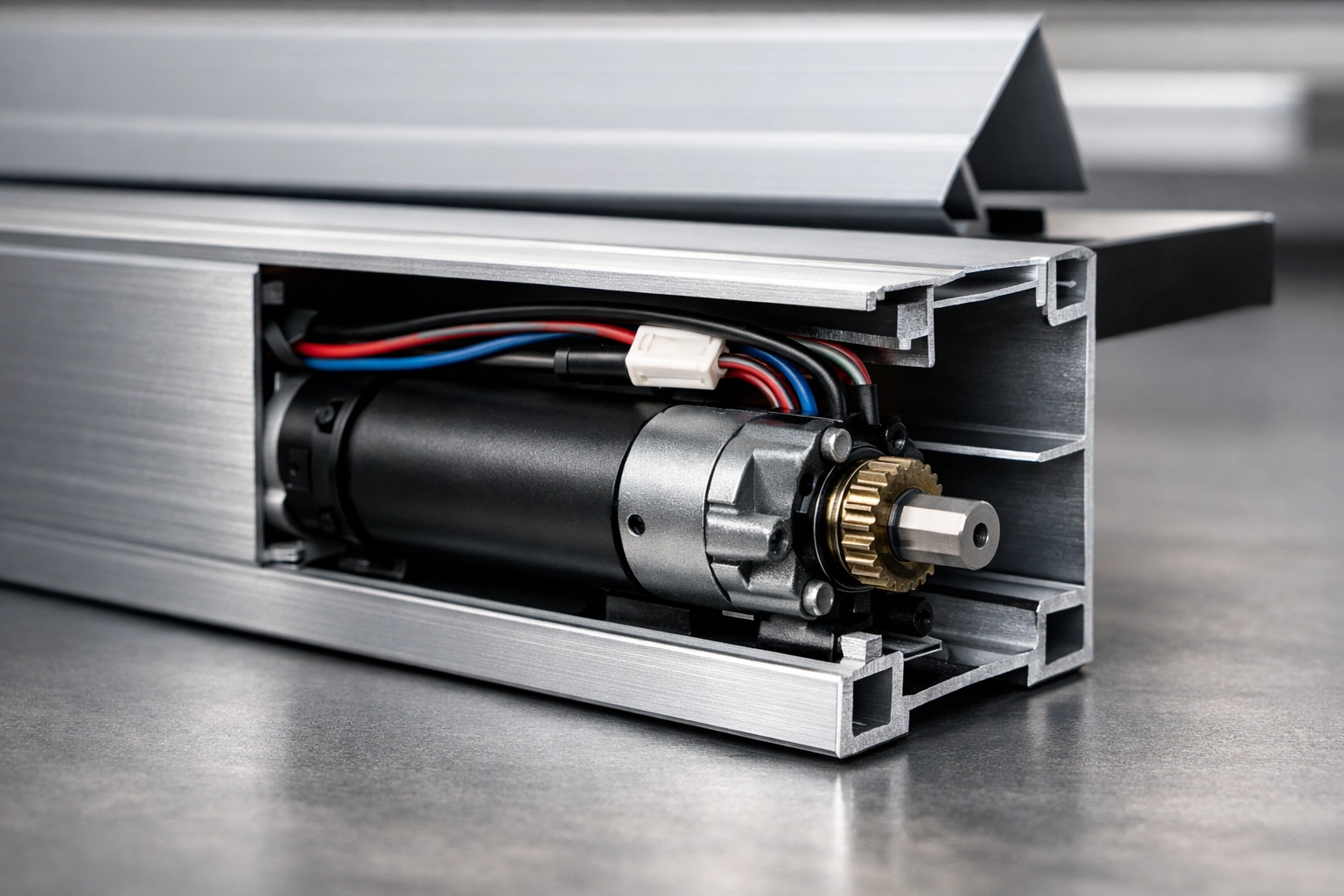
A motor adds more than convenience. It improves how the system responds and how consistently it operates.
Why motorisation matters in practice:
This is where the industry has clearly evolved. The louvre roof is no longer just a static cover with adjustable blades. It is increasingly treated as a responsive outdoor system.
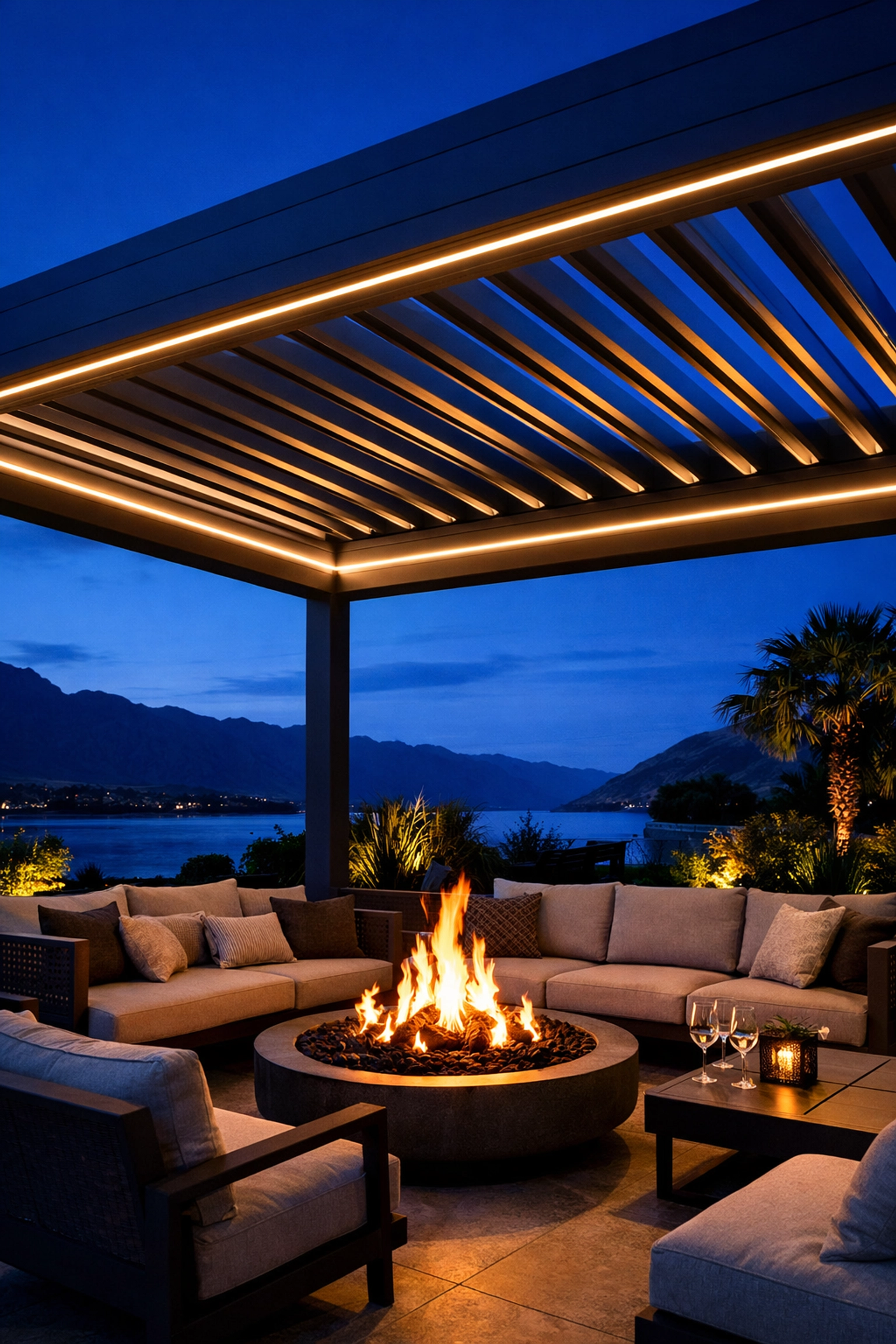
The rise of motorised louvres also reflects a broader lifestyle shift. Outdoor areas are no longer treated as occasional summer-only zones. They are being designed and used as extensions of the home.
That matters because expectations change when a deck or patio becomes a true living area. People want to:
There is also a design effect. When a roof adjusts smoothly and quietly, the whole space feels more considered and more functional. It turns a basic covered area into something closer to an outdoor room.
One of the biggest trends in the outdoor shading industry is integration. Motorised louvres increasingly sit within a wider ecosystem of outdoor comfort features, such as:
That integrated approach is a big reason automation keeps gaining traction. It supports a more adaptable, all-season way of using outdoor space rather than a simple open-or-shut shelter concept.
One of the older assumptions around motorised louvre roofs is that they are automatically too technical for DIY-minded homeowners. That view is becoming less accurate as the category matures.
Modern DIY-oriented systems are generally designed to reduce complexity through:
That does not mean every installation is easy, or that no professional help is ever needed. Structural fixing, code compliance, and electrical connection still matter. But the overall direction of the market is clear: automation is being designed to be more approachable.
For DIY buyers, that’s a major turning point. It means motorisation is no longer automatically associated with a fully custom, installer-only process. Instead, it is increasingly part of the mainstream conversation around practical outdoor upgrades.
The shift from manual to motorised louvres is not just a story about convenience. It reflects how the entire outdoor shading industry has matured.
Several trends are driving that change:
There is also a long-term usability angle. A system that is easier to adjust is a system that tends to be used more effectively. That sounds obvious, but it matters. Good outdoor design is not only about having adjustable shading in theory. It is about whether people actually adjust it when conditions change.
That’s where automation earns its place. It removes barriers between the user and the function of the space.
The outdoor shading industry has moved well beyond the era when a crank handle felt like the default solution. As expectations around convenience, integration, and year-round usability have changed, motorised louvre systems have moved into the mainstream.
The trend is clear:
In short, the evolution from manual to motorised louvres mirrors a bigger change in how outdoor spaces are designed. They are no longer treated as occasional extras. They are expected to be responsive, comfortable, and easy to use.
Key Takeaway: The move from crank-operated louvres to motorised systems reflects a broader industry trend toward automation, integration, and more usable outdoor spaces. For modern DIY projects, powered operation is increasingly seen not as a luxury, but as the practical new baseline.


