
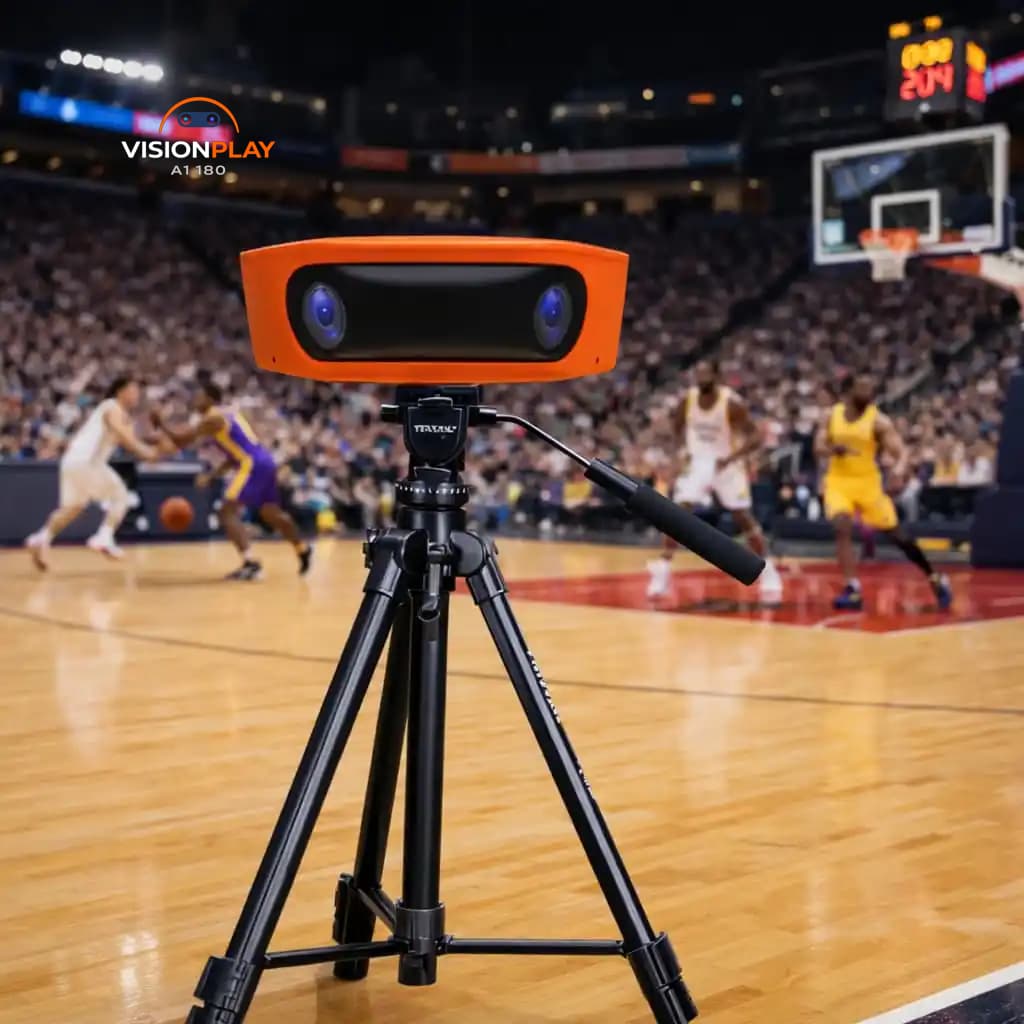
For decades, capturing sports footage followed a predictable, often frustrating pattern. You either had a shaky handheld camera operated by a dedicated parent on the sidelines, or you spent thousands of dollars hiring a professional broadcast crew. There was no middle ground. If the cameraman sneezed or looked away for a second, the winning goal was lost to history.
That era is officially over. Smart AI sports cameras have moved from the realm of science fiction into a practical reality for local clubs, schools, and professional training facilities alike. This technology isn't just about recording video; it’s about automated intelligence that understands the game as it happens.
At its core, a smart AI sports camera is a system that uses computer vision and deep learning algorithms to simulate the actions of a human camera operator. Unlike a static wide-angle lens that simply records everything, an AI-driven system identifies the ball, the players, and the flow of the game to provide a dynamic, broadcast-style viewing experience.
These systems typically consist of high-resolution hardware: often dual or triple 4K lenses: paired with a powerful onboard or cloud-based processor. The "AI" part comes into play as the software analyzes pixels in real-time to determine where the action is focused.

To understand why this is a game-changer, we have to look at the specific technologies working under the hood:
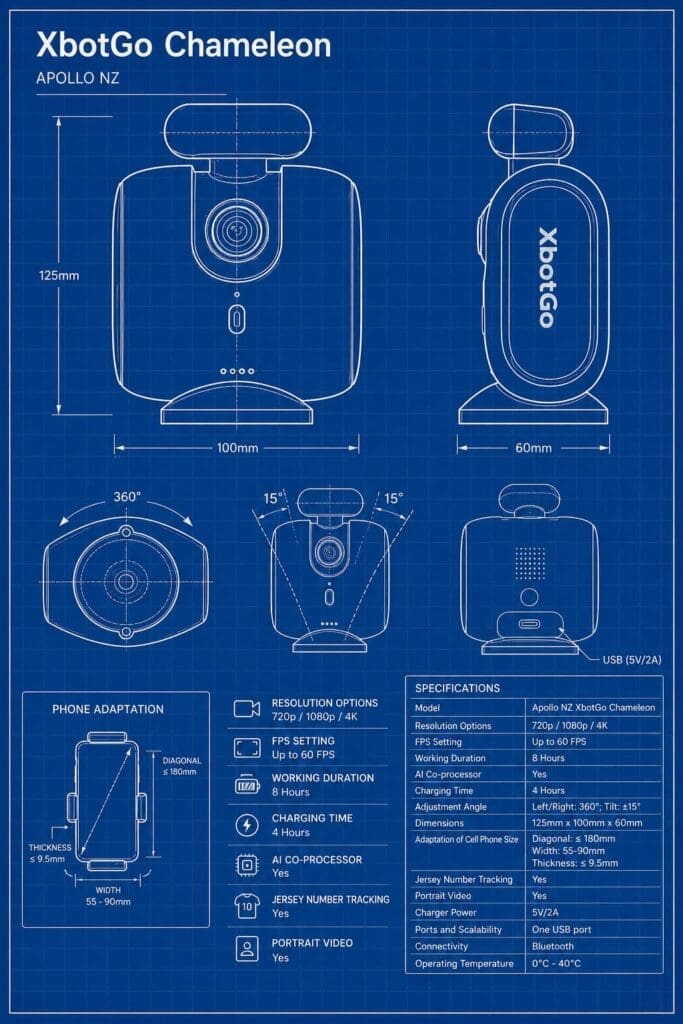
The biggest impact of AI camera technology is felt at the grassroots level. For amateur clubs, the barrier to high-quality video has always been labor and cost.
For those looking to integrate high-tech solutions into their athletic infrastructure, ensuring the surrounding environment is up to par is essential. Designing a space that accommodates modern technology requires a professional touch, often involving specialized sports equipment and layout planning.
Recording the game is only half the battle. The true "future" of these cameras lies in the analytics they provide. Modern AI cameras are essentially data collection hubs.
By tracking every movement on the field, the software can provide metrics that were previously only available to top-tier professional teams:
This data-driven approach removes the subjectivity from coaching. Instead of "I think you were out of position," the coach can say, "The data shows you were five meters too deep during the counter-attack."
When looking to implement this technology, there are two primary paths: portable units and fixed installations.
These are ideal for teams that travel frequently or schools that use multiple different fields. They are typically mounted on high tripods (often 4–7 meters tall) to get the necessary "birds-eye" perspective.
For stadiums, indoor courts, or high-performance centers, a fixed installation is the gold standard. The camera is permanently mounted to a pole or building structure and connected to a hardwired power source and internet connection.
While the technology is impressive, it isn't magic. There are technical hurdles that users must account for to get the best results:
As we look at the integration of AI in sports, the design of our recreational spaces is changing. We are no longer just building "fields" or "courts"; we are building smart environments.
Architects and designers are now prioritizing tech-readiness in their blueprints. This includes designated mounting points for cameras, integrated power lines in court perimeters, and specialized design solutions for professional spaces. When a sports facility is built with technology in mind, the end result is a seamless experience where the camera becomes a natural part of the environment rather than an awkward afterthought.
The reason "the future is here now" is due to the convergence of three things: high-resolution mobile sensors, affordable cloud computing, and advanced machine learning models. Five years ago, an AI camera that could track a basketball in a crowded gym was a prototype. Today, it’s a product you can order online and set up in ten minutes.
Whether you are a parent wanting to preserve memories, a player looking for a scholarship, or a coach trying to find a tactical edge, AI sports cameras provide a solution that was once out of reach.
The transition to smart sports recording isn't just a trend; it's a fundamental shift in how we interact with the games we love. By removing the technical barriers to high-quality video, we allow the focus to return to where it belongs: the performance, the strategy, and the passion of the sport.


