
Outdoor living has evolved significantly over the last decade. No longer are New Zealanders content with simple portable heaters; the modern backyard is now an extension of the home’s interior, requiring a blend of architectural beauty and functional performance. Central to this shift is the rise of Corten steel: a material that has transitioned from industrial infrastructure to the centerpiece of high-end landscape design.
This guide explores the technical science, material benefits, and specific configurations of Corten steel fire pits and grills to help you understand why this material is the gold standard for outdoor heating and culinary experiences.
The term "Corten" is actually a trademarked name for weathering steel. The name is derived from its two primary properties: CORrosion resistance and TENsile strength. Unlike mild steel, which continues to oxidize until the metal eventually structural fails, Corten steel is engineered to develop a stable, protective layer of oxidation known as a patina.
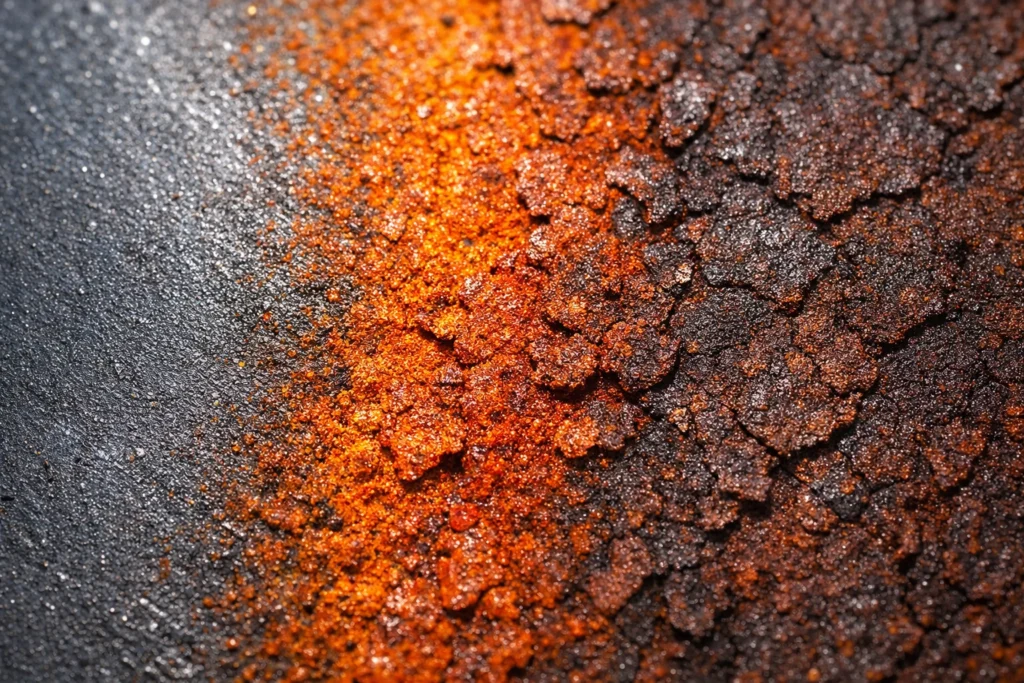
When exposed to the elements, the copper, chromium, and nickel alloys within the steel react to moisture and oxygen. Instead of flaky, destructive rust, a dense "protective skin" forms on the surface.
This patina acts as a permanent barrier. Once formed, it regenerates if scratched, effectively "healing" the fire pit and preventing the core of the metal from ever being compromised. This makes it particularly suited for the diverse New Zealand climate, from the humid north to the frost-prone south.
New Zealand’s coastal air is notorious for destroying outdoor furniture. Salt-laden winds accelerate oxidation, which is usually a death sentence for metal products. However, for Corten steel, this salt air actually accelerates the formation of the patina.
To ensure maximum longevity in these conditions, professional installations focus on two technical factors:
The first category of Corten fire pits focuses on the "live fire" culinary movement. These are not merely heat sources; they are high-performance outdoor kitchens designed for searing, roasting, and even baking.
A professional-grade wood-fired grill typically features a dual-metal construction. While the base and cone are made of 4mm Corten steel for durability, the cooking surface requires a different approach. The most effective units use a 10mm carbon steel cooktop.
Why Carbon Steel?
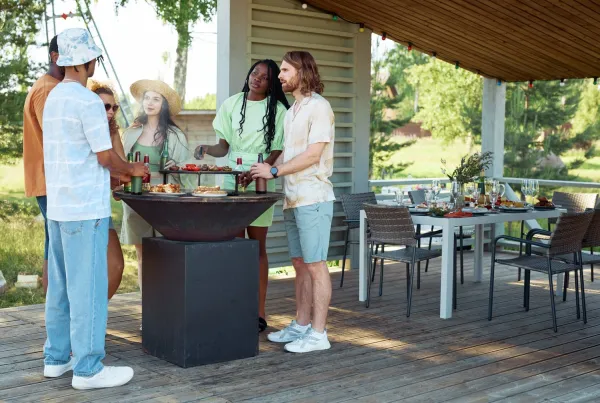
These systems often include a recessed center for a secondary grill grate, allowing you to cook over an open flame while simultaneously using the flat plate. For those interested in the ultimate wood-fired setup, the Vulcan Fire Grill represents the peak of this design philosophy.
When the primary goal is heat distribution and atmosphere for large groups, the focus shifts to scale and airflow. The "Social Centerpiece" type is defined by its diameter: usually 1200mm or larger: and its ability to act as a communal hub.
Large-scale fire pits face a common problem: smoke. To combat this, advanced models utilize a wood-burning furnace core. This design encourages a "vortex" effect where oxygen is drawn from the base and pushed through the fuel, resulting in a hotter, cleaner burn with significantly less smoke.
The modern social fire pit is often modular. Technical features to look for include:
For expansive outdoor areas or commercial hospitality settings, a model like the Huoshen Fire Pit provides the necessary scale and technical performance to heat a large radius effectively.
For smaller urban patios or modern architectural homes, a massive grill may be overwhelming. This is where the low-profile fire pit table excels. These units are designed with a dual-purpose philosophy: a functional coffee table by day and a sophisticated fire feature by night.
While the natural rust patina is the signature look of Corten, many modern designs offer a matte black heat-resistant coating. This provides the structural benefits of weathering steel but maintains a sleek, minimalist aesthetic that fits contemporary monochrome designs.
The Kossuth Round Fire Pit is a prime example of this style, balancing industrial material with a refined, artistic silhouette.
While Corten steel is advertised as "low maintenance," there are specific steps required to ensure the material performs as intended.
During the first few months of the weathering process, rain will cause "bleeding": the runoff of iron oxide. This can stain porous surfaces like light-colored concrete, sandstone, or wooden decking.
Selecting the right Corten steel fire pit requires a balance of metallurgical understanding and lifestyle requirements.
✅ Choose a Grill if your priority is high-heat culinary performance and you require a thick carbon steel cooking surface.
✅ Choose a Social Centerpiece for large gatherings where maximum heat radiation and modularity (like ice bucket conversions) are valued.
✅ Choose a Table Style for urban environments where a low profile and multi-functional design are necessary.
✅ Check the Specs: Ensure your unit is constructed from at least 3mm-4mm Corten steel to avoid the structural pitfalls of cheaper, thinner alternatives.
Corten steel is more than just a trend; it is a lifetime investment in outdoor infrastructure. By understanding the science of the patina and the technical requirements of the different fire pit archetypes, you can create a functional, beautiful gathering point that will withstand the New Zealand elements for decades to generation.


