

For decades, the standard carport was a purely utilitarian structure: a flat, solid roof supported by posts, designed to keep the rain off a vehicle and little else. However, as modern architectural trends shift toward a seamless blend of indoor and outdoor living, the traditional carport is undergoing a radical transformation.
Architects and high-end developers are increasingly moving away from stagnant flat-roof designs in favor of louvre systems. This shift is driven not just by a desire for better aesthetics, but by a fundamental understanding of environmental control, vehicle preservation, and property value. Whether it is a high-tech motorized system or a sleek fixed-blade installation, louvres are redefining the entry experience of the modern home.
A standard flat-roof carport acts as a thermal trap. In the height of summer, the solid surface absorbs solar radiation and radiates heat downward, creating an "oven effect" directly above the vehicle. This concentrated heat can accelerate the degradation of vehicle interiors, perishables left in cars, and even the paintwork.
Furthermore, traditional carports offer zero flexibility in terms of light and airflow. They create dark, damp pockets where moisture can sit, leading to mildew growth on both the structure and the vehicles parked beneath it. Architects are recognizing that a car shelter shouldn't just be a "lid"; it should be a breathing extension of the home’s envelope.
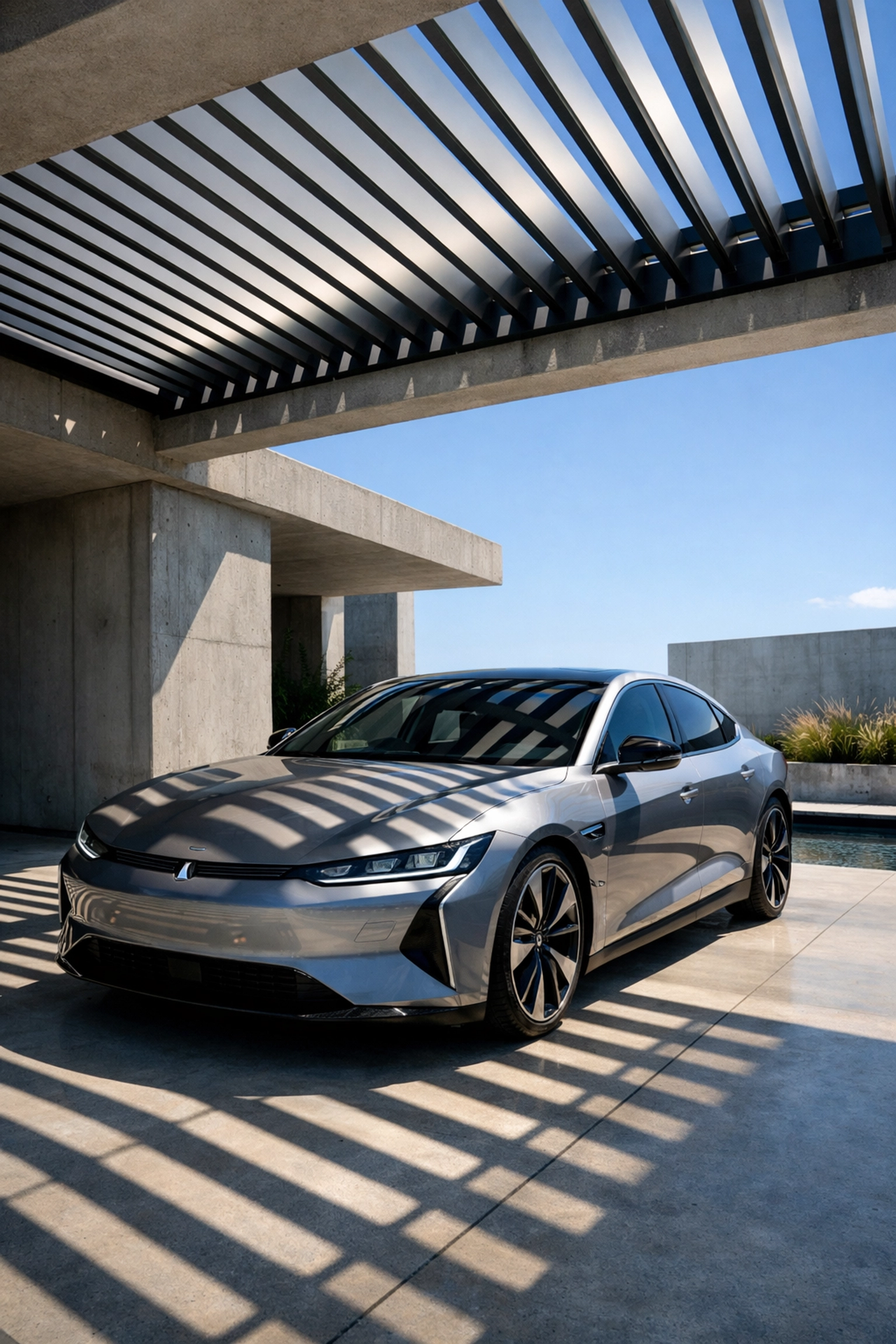
The primary technical advantage of a louvre system over a flat roof is dynamic ventilation. By utilizing adjustable blades, such as those found in the Cerberus Plus Louvre Kitset System, homeowners can manipulate the microclimate around their vehicles.
In modern residential design, the carport is often the first thing a visitor sees. A traditional corrugated iron or timber flat roof often feels like an "add-on" that interrupts the clean lines of a contemporary facade.
Louvre systems offer a refined architectural rhythm. The repetitive lines of the blades create a sense of texture and depth that flat surfaces lack. Many architects are now specifying systems like the Spartan Series Prime Max because they integrate perfectly with minimalist, industrial, or mid-century modern designs.
Key Aesthetic Benefits Include:
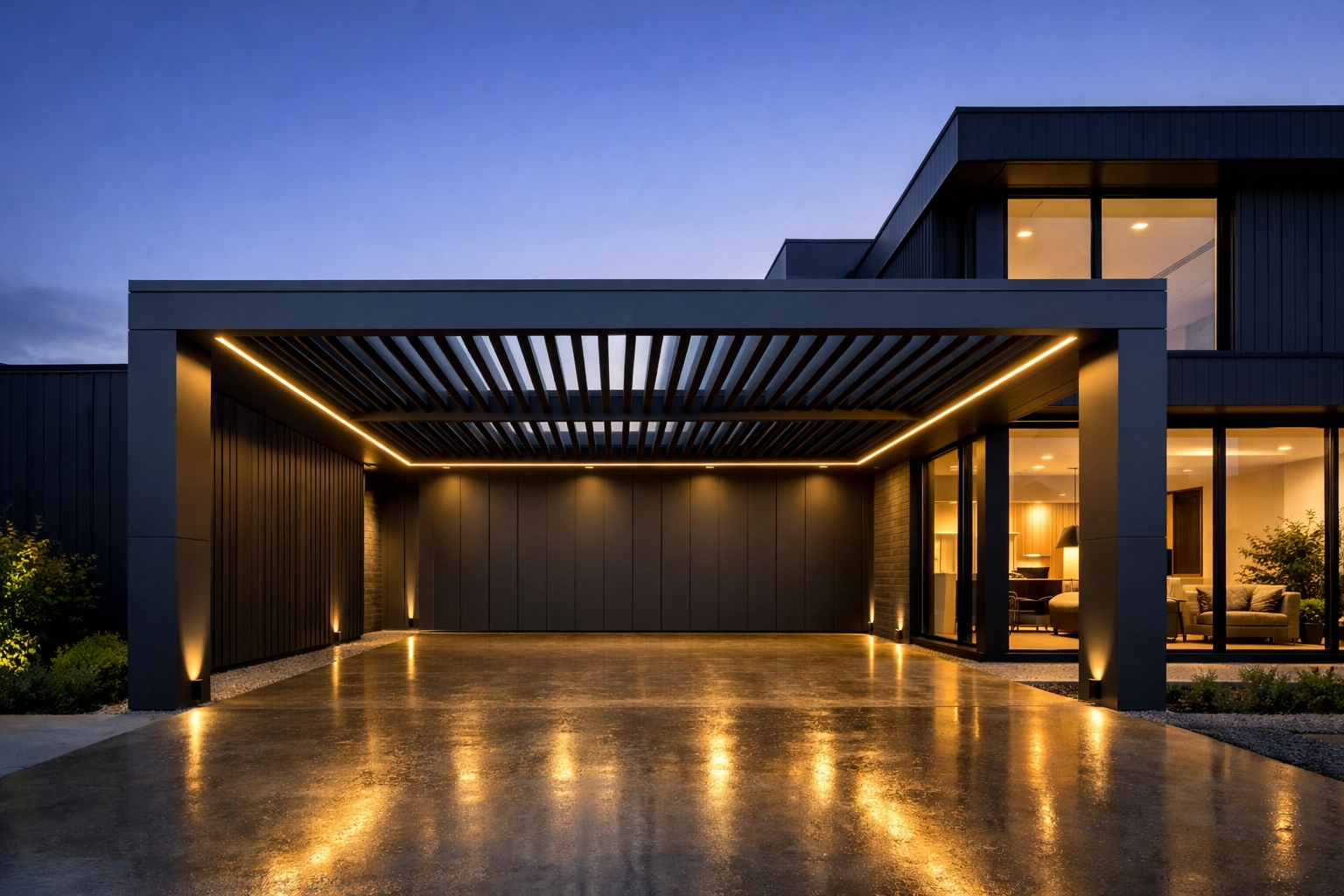
While motorized and retractable systems like the Cerberus Eclipse offer the pinnacle of flexibility, architects are also increasingly specifying fixed non-closing louvres.
This option serves a very specific niche in both residential and commercial design. Fixed louvres are blades set closed. They create a watertight seal but without all the moving parts of a normal louvre system.
The modern homeowner demands more from every square meter of their property. A traditional carport is a "dead space" when the car is not parked there. A louvre-roofed carport, however, is essentially a high-end outdoor room.
Architects are designing these spaces to be multi-functional. With the car moved to the street, a louvre-covered driveway becomes a shaded pavilion for social gatherings. By integrating features like XclusivDecor wood-fired pizza ovens nearby, the "carport" is transformed into an entertainment hub.
The move toward louvre carports isn't just a fashion statement; it's a response to the "tiny lot" trend. As sections get smaller, the carport is often pushed to the front of the site, making it the most visible part of the home.
Homeowners are realizing that a standard carport can actually detract from their home's resale value, whereas a high-end louvre system acts as a capital improvement. Builders are finding that kitset systems allow them to provide a custom-look solution without the custom-build price tag or the long lead times of traditional timber construction.


