
![[HERO] The Science of Shade: How Louvre Systems Actually Work](https://cdn.marblism.com/XfUTKZwfAIJ.webp)
Modern architecture has moved far beyond static structures. Today, the focus is on "dynamic envelopes": building components that can adapt to changing environmental conditions in real-time. At the forefront of this movement are louvre systems. While they are often appreciated for their sleek, contemporary aesthetic, the true value of a louvre system lies in the sophisticated physics of light, heat, and airflow.
Understanding the science of shade is essential for architects, designers, and homeowners who wish to create comfortable outdoor living spaces or energy-efficient building interiors. By leveraging principles of thermodynamics and material science, aluminum louvres provide a level of environmental control that traditional fixed roofs or fabric awnings simply cannot match.
To understand how a louvre system functions, one must first understand Solar Heat Gain. This refers to the increase in temperature within a space or building caused by solar radiation. Sunlight consists of visible light, ultraviolet (UV) radiation, and infrared (IR) radiation. When this radiation strikes a surface: such as a glass window or a concrete patio: it is absorbed and converted into thermal energy.
In an outdoor setting, solar heat gain can make a patio or deck unbearable during peak summer hours. Indoors, solar gain through windows can force air conditioning systems to work overtime.
Louvre systems manage solar heat gain through two primary mechanisms:
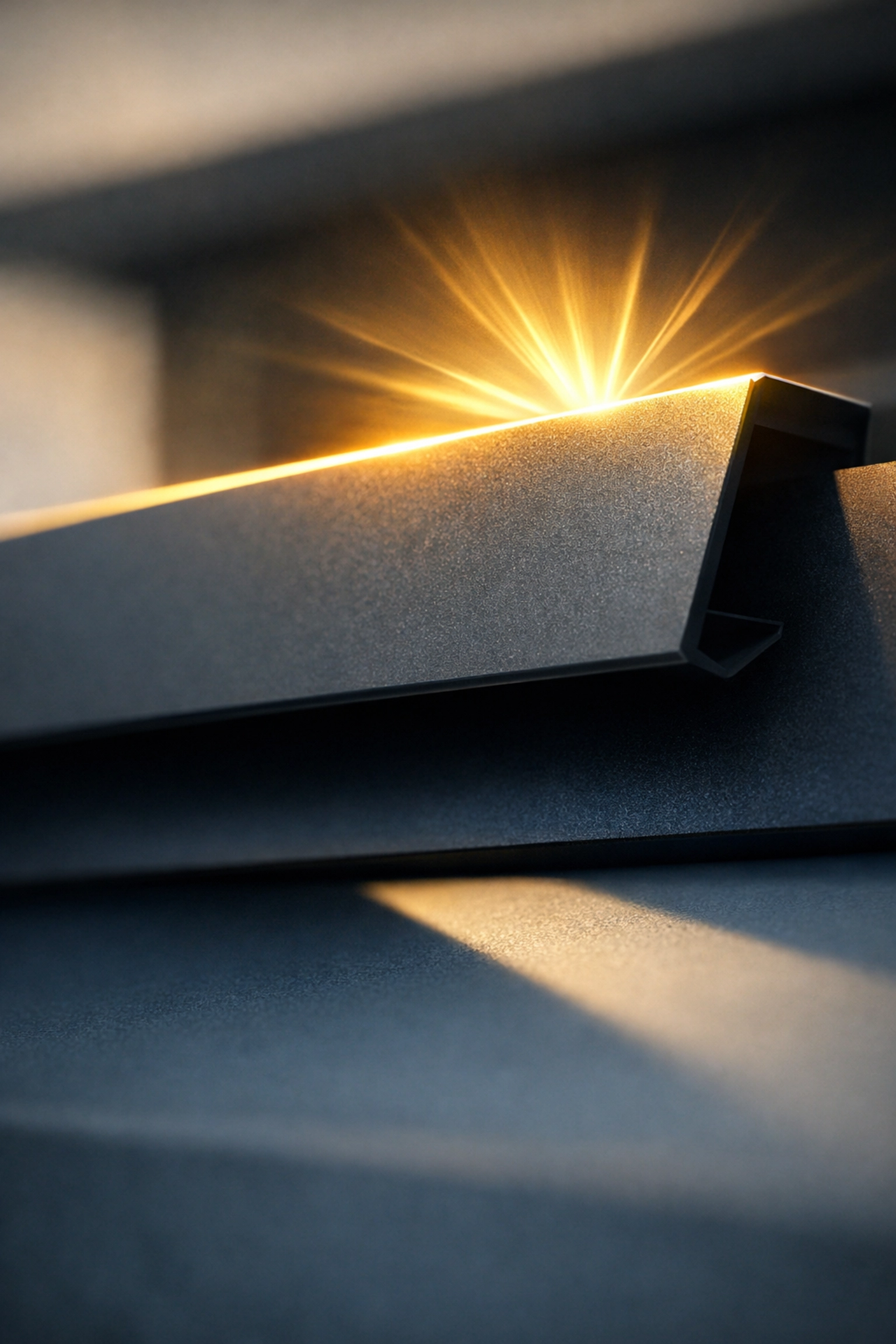
By adjusting the angle of the blades, users can physically block the path of direct solar radiation. This creates "effective shade," where the ambient temperature beneath the system can be significantly lower than the temperature in direct sunlight.
One of the most significant scientific advantages of an adjustable louvre system is its ability to facilitate Passive Stack Ventilation, commonly known as the "Chimney Effect."
In a traditional solid-roof structure, heat becomes trapped. As the sun beats down on the roof, the air directly beneath it warms up. Because warm air is less dense than cool air, it rises. However, with a solid roof, that rising heat has nowhere to go, creating a "heat pocket" that can make the space feel stifling.
This continuous cycle of rising warm air and entering cool air creates a natural breeze, even on still days. This thermodynamic process allows the space to remain ventilated and cool without the need for mechanical fans or electricity. For those looking to integrate these systems into professional designs, exploring products for interior designers and architects can provide further insight into structural integration.
The efficacy of a louvre system is heavily dependent on the materials used in its construction. While wood or steel can be used to create louvres, aluminum louvres have become the industry standard for several scientifically backed reasons.
Aluminum is approximately one-third the weight of steel, yet certain alloys (such as the 6000-series often used in architectural extrusions) offer incredible structural integrity. This high strength-to-weight ratio allows for longer spans and wider blades without the need for heavy, intrusive support columns. This is critical for systems like the Orion Aluminium Louvre Pergola System, which must meet strict PS1 certified structural designs to withstand New Zealand’s unique wind and snow loads.
Aluminum naturally forms a thin, protective layer of aluminum oxide when exposed to air. This layer prevents the metal from further oxidation (rusting). In coastal environments where salt spray is prevalent, this characteristic is vital. When further protected by marine-grade powder coating or anodization, the material becomes nearly impervious to the elements, ensuring the mechanical tolerances of the louvre system remain precise over decades of use.
While aluminum is a conductor of heat, its ability to be extruded into complex, hollow shapes allows for the creation of "thermal breaks" or air pockets within the blades themselves. These air pockets act as insulation, reducing the amount of heat transferred from the top surface of the blade to the underside.

The primary mechanical function of a louvre system is the rotation of the blades. This is not merely an "on/off" switch for sunlight; it is a precise method of light modulation.
In architectural terms, the "Free Area" is the percentage of the total opening that remains unobstructed when the louvres are open. Most high-performance louvre systems offer a free area between 35% and 60%.
By rotating the blades, the user can control the Angle of Incidence.
Modern systems utilize a spiral pivot or a central drive mechanism that allows for 135 to 180 degrees of rotation. This range ensures that regardless of the sun's position in the sky: from the low-angle rays of early morning to the harsh vertical light of midday: the user can maintain total control over their environment.
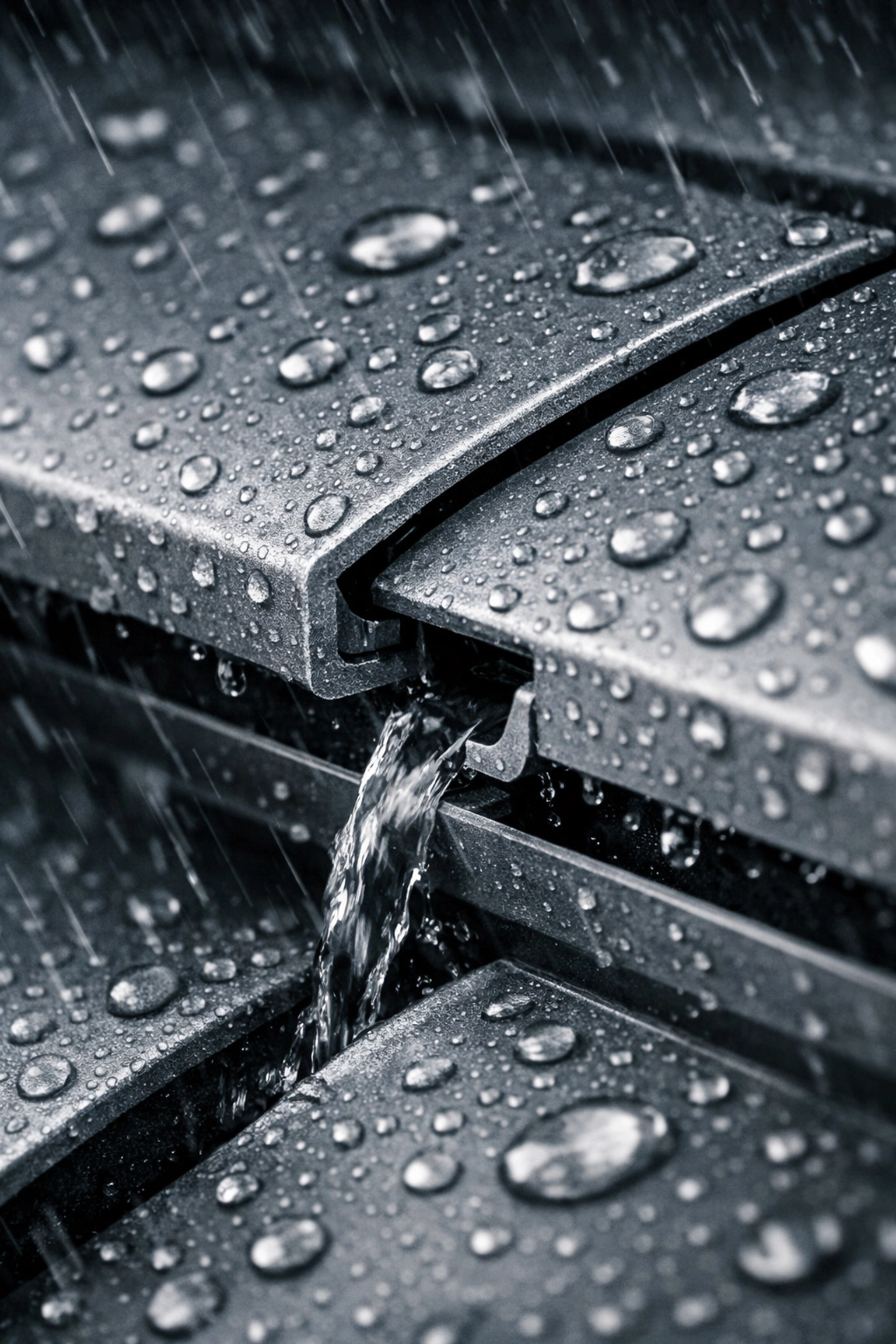
A louvre system must do more than just manage light and air; it must also manage water. The science of hydrodynamics is applied to ensure that when the louvres are closed, the system is completely watertight.
When closed, the blades of an aluminum louvre system do not just sit side-by-side; they interlock. Precision-engineered "gutters" are often integrated into the edges of each blade. When it rains, water is captured by these internal channels and directed toward a perimeter gutter system hidden within the main support beams.
The pitch of the blades and the design of the seals utilize surface tension to ensure water does not "wick" backward into the dry area. Instead, gravity and the engineered slope of the internal channels pull the water away. This advanced engineering is why systems like the Orion Prime System can provide a reliable dry space even during heavy New Zealand downpours.
The "science" of these systems is increasingly moving into the realm of computer science and automation. Modern louvre systems are often equipped with an array of sensors that allow the structure to think for itself:
For those requiring high-wind protection in addition to shade, combining louvres with Titan Outdoor Blinds can create a fully enclosed, weather-proof envelope that utilizes the same principles of high-tensile material science.
The effectiveness of a louvre system is rooted in several scientific disciplines:
By understanding these principles, it becomes clear that louvre systems are not just luxury additions to a property; they are highly engineered tools for environmental management. Whether you are looking to reduce energy costs or maximize the usability of an outdoor space, the science of shade offers a proven, effective solution.


